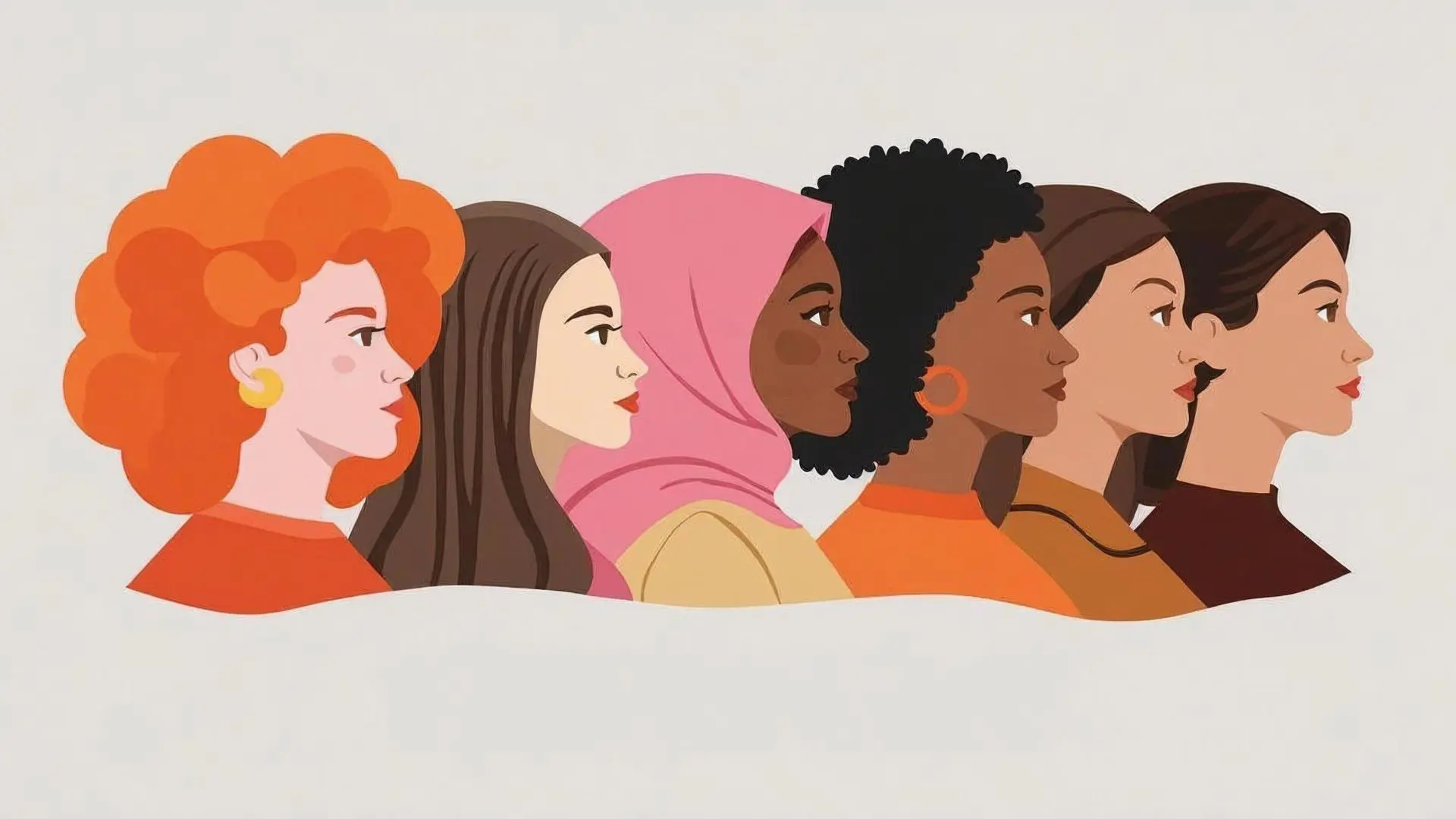
International Women’s Day Is More Than a Celebration
International Women’s Day is not just a day of recognition. It is a global moment to pause and reflect.
First marked in the early 1900s during labor movements and the fight for women’s voting rights, the day has grown into a worldwide platform for gender equality. Every year on March 8th, companies and communities celebrate the achievements of women. But the day is also a reminder that progress is still ongoing.
There has been meaningful change. More women are stepping into leadership roles than ever before. Yet challenges remain. According to the World Economic Forum, closing the global gender gap will still take many decades at the current pace. On average, women continue to earn less than men worldwide, and top executive teams are still largely male.
For businesses, these are not just social issues. They directly affect performance, culture, and long term success.
Why International Women’s Day Still Matters
In recent years, conversations about diversity, equity, and inclusion have become more visible and sometimes more debated. Some companies are rethinking their approach. Others are strengthening their commitments. But one thing remains clear. Inclusive workplaces perform better.
Research from McKinsey shows that companies with more gender diverse leadership teams are more likely to outperform financially. Diversity is not just about fairness. It supports better decision making, stronger innovation, and higher employee engagement.
International Women’s Day offers companies a natural opportunity to reflect.
Are women equally represented in leadership pipelines?
Are policies supporting work life balance for everyone?
Is inclusion part of everyday culture or just part of communications?
However, reflection alone does not create change. That is where meaningful dialogue becomes essential.
From Awareness to Action: The Role of a Keynote Speaker
It is easy for an International Women’s Day event to become symbolic, a panel discussion with familiar themes, followed by networking and refreshments. While well intentioned, these events sometimes stay at surface level.
A strong keynote speaker can shift the energy completely.
The right speaker does more than share statistics. They tell stories. They connect research with real experience. They challenge assumptions in a constructive way and offer practical insights that leaders and employees can apply immediately.
Whether the focus is women in leadership, unconscious bias, inclusive innovation, or building confidence and resilience, a compelling speaker creates both inspiration and clarity.
Hearing from someone who has navigated barriers firsthand, a business leader, a psychologist, or an entrepreneur, brings the topic to life. Stories make the issue real in a way policies and reports cannot.
As one HR leader shared after hosting an International Women’s Day keynote, “We had talked about diversity goals for years. But hearing real stories changed the tone of the conversation. It moved us from talking about targets to talking about responsibility.”
That shift matters.
A Reflection of Company Culture
How a company marks International Women’s Day says something about its identity.
Employees, especially younger generations, increasingly look at workplace values when choosing where to work. They want to see authenticity, not just campaigns. According to Deloitte’s global workforce research, purpose and inclusion strongly influence career decisions.
Is gender equality treated as a one day theme? Or as an ongoing leadership priority?
Bringing in an expert speaker signals seriousness. It shows the organization is willing to listen, learn, and improve. And when the event connects to real initiatives such as mentorship programs, leadership training, and transparent promotion pathways, it becomes part of a bigger strategy.
International Women’s Day then becomes more than an event. It becomes a milestone within a longer journey.
Beyond March 8th
The most impactful International Women’s Day events are those that spark continued action.
A keynote can serve as the starting point for year round efforts such as leadership development programs, allyship workshops, inclusive recruitment reviews, or stronger employee networks.
In that sense, the day is less about celebration alone and more about accountability.
It encourages organizations to ask honest questions. Where are we today? Where do we want to be? And what concrete steps will take us there?
Turning Recognition Into Real Progress
International Women’s Day remains relevant because it balances two things. Celebration and unfinished work. It honors progress while reminding us that equality is still evolving.
For companies focused on innovation, talent retention, and long term growth, gender equality is not a side topic. It is closely linked to performance, culture, and competitiveness.
Booking a keynote speaker is not simply about filling a program slot. It is about raising the level of conversation. It is about creating a moment that inspires reflection and encourages action.
Because when International Women’s Day becomes more than a date, when it becomes a genuine dialogue, it has the power to shape not only individual careers, but entire organizational cultures.
And that is a message worth investing in.