Mental disabilities can include a wide range of cognitive, developmental, neurological, and psychological conditions that affect how people process information, communicate, learn, work, and interact with others. The term may overlap with neurodiversity, mental health, learning differences, and disability inclusion, depending on the context. This topic is relevant because organizations increasingly recognize the importance of building environments where people with different abilities can participate, succeed, and feel respected. Greater understanding helps reduce stigma, improve accessibility, and strengthen workplace cultures built on empathy and inclusion.
Which topics do our keynotes on Mental Disabilities cover?
Mental disabilities are closely connected to inclusion, communication, identity, and how people experience the world differently. Understanding these perspectives helps organizations create more accessible and compassionate environments. Our speakers share personal stories, professional expertise, and practical strategies that help audiences move from awareness to action. Below are some of the topics explored through our keynotes:
Neurodiversity and workplace inclusion
Neurodiversity highlights the value of different ways of thinking, learning, and problem-solving. Inclusive workplaces recognize these differences and create conditions where people can contribute their strengths. Haley Moss shares powerful insights into disability inclusion and the importance of building cultures that embrace neurodivergent talent. Audiences gain practical perspectives on accessibility, representation, and meaningful inclusion.
Dyslexia, creativity, and different ways of thinking
Learning differences can create challenges, but they can also be connected to unique strengths in creativity, innovation, and problem-solving. Understanding dyslexia helps organizations rethink narrow definitions of talent and performance. Eric McGehearty shares his experience with dyslexia and neurodiversity in the workplace, showing how different thinking styles can become valuable assets. His keynotes encourage audiences to see ability through a broader and more inclusive lens.
Brain awareness and cognitive agility
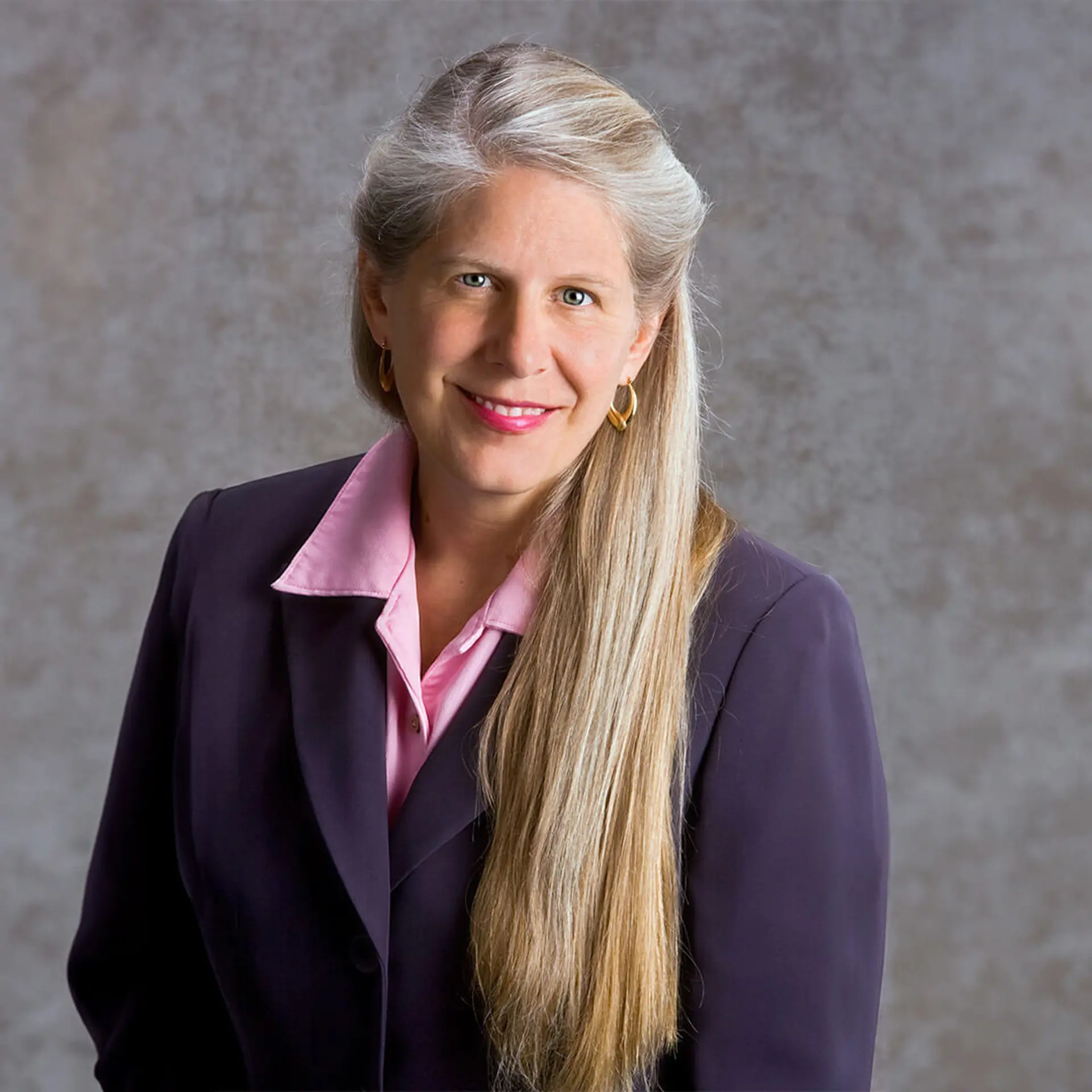
Understanding the brain can help people develop greater empathy for different cognitive experiences. Awareness of how the brain functions supports better communication, self-understanding, and leadership. Jill Bolte Taylor brings neuroscience to life through her Whole Brain Living framework, helping audiences understand awareness, compassion, and cognitive flexibility. Her insights support more human-centered approaches to leadership and inclusion.
Mental wellbeing, identity, and modern life
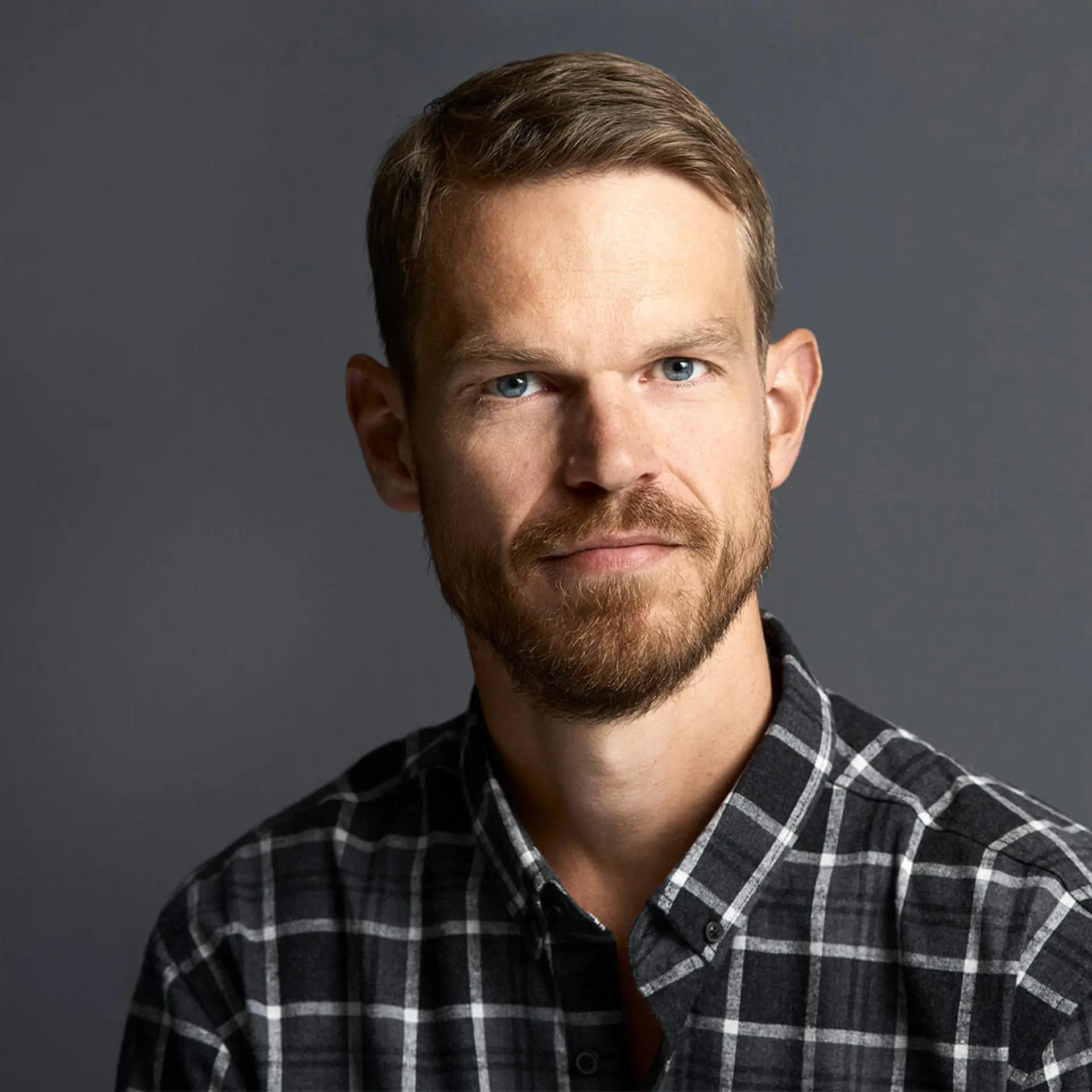
Discussions about mental disabilities often connect with broader questions about wellbeing, identity, pressure, and how society defines normality. A more thoughtful understanding can reduce stigma and create space for more honest conversations. Svend Brinkmann offers psychological and philosophical perspectives on modern life, human nature, and the pressures that shape mental wellbeing. His keynotes encourage reflection on how organizations can support people with greater understanding and care.
Benefits of a keynote on Mental Disabilities
A keynote on mental disabilities helps audiences build greater awareness, empathy, and understanding of different cognitive and psychological experiences. Participants gain practical insights into inclusion, neurodiversity, accessibility, communication, and workplace culture. These keynotes can help reduce stigma, improve collaboration, and support more inclusive leadership practices. Organizations benefit from stronger awareness and better tools for creating environments where people with different abilities feel valued, supported, and able to contribute.
Other relevant keynotes within Mental Disabilities
Relevant related topics include Neurodiversity, Disability, Mental Health, Diversity, Equity, and Inclusion, Psychological Safety, Empathy, and Wellbeing. These related topics provide broader perspectives on inclusion, accessibility, wellbeing, and human difference. Combining mental disabilities with complementary subjects can help organizations create more informed, supportive, and inclusive cultures.
Contact us to find the right keynote combination for your event.
How to Book a Speaker
Booking a speaker with A-Speakers is a simple and tailored process that ensures your event receives the perfect angle on the topic. Start by sharing your needs with us, such as event type, preferred speaker, and budget, via email or phone. We then match your requirements with the competencies of our experts and present the ideal candidate for your audience. Once the details are agreed upon, we draw up a contract and collaborate on the further planning to ensure a successful execution. After the keynote has taken place, we of course follow up and evaluate your satisfaction. Book your speaker today.
- Tell us your wishes and needs: Give us a short description of your event, and feel free to include your wishes for a topic or specific speaker, so we can advise you in the best way possible.
- Get a tailored recommendation: Our skilled speaker consultants base their suggestions on your needs and help you choose the speaker that best matches your criteria and budget.
- Formalize the agreement: Once we've found the perfect speaker for your event, we prepare a contract that both parties sign.
- Planning and execution: We support you all the way and coordinate the details together to make the event a successful experience.
- Follow-up and evaluation: After the keynote, we naturally follow up to see if the event lived up to expectations.
Contact us today to find the speaker that matches your needs and vision. Book a speaker now and take the next step toward a stronger future.