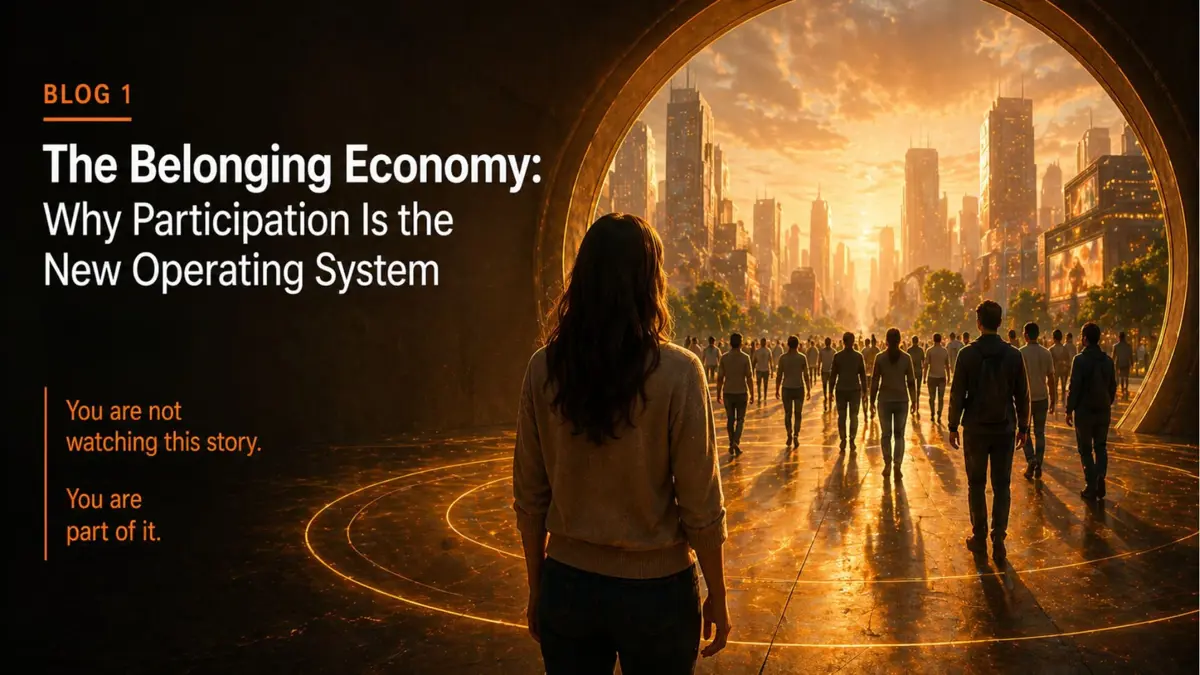

For most of the past century, media, brands and cultural institutions followed the same basic model. Creators produced content and audiences consumed it. Films were watched, advertisements were viewed and stories unfolded while audiences remained observers.
Today, that relationship is changing.
Across entertainment, culture, retail, gaming and brand experience, a new behavioural shift is emerging, one that I describe in my work as the Belonging Economy. It reflects a deeper change in how people relate to the worlds around them. Audiences no longer want to simply watch stories unfold. Increasingly, they want to step inside them – to inhabit them.
They want agency. They want emotional connection. Most importantly, they want to feel that they exist within the experience itself. Participation is no longer a feature added to an experience. It is becoming the operating system that defines it.
For many years, businesses have talked about the Experience Economy, the idea that people value memorable experiences more than products. That insight was important because it recognised that emotional engagement matters more than functional transactions. Yet we are now entering the next stage of that evolution. Experiences alone are no longer enough. What audiences increasingly seek is belonging.
Belonging goes beyond interaction. Interaction might involve clicking a button, choosing a narrative pathway or responding to a digital interface. Belonging is something deeper. It occurs when people feel recognised within an experience, when they feel emotionally invested in it and when they sense that they are part of something larger than themselves.
When that happens, behaviour changes. People stay longer, they care more deeply and they invite others to participate. The experience stops being something they briefly consume and becomes something they feel connected to. In this sense, belonging creates loyalty at a cultural level rather than a purely transactional one.
This shift also reflects a broader change in how we measure success. For decades, media and marketing have focused on attention. Views, impressions, reach and clicks became the primary indicators of impact. But attention has become abundant and fragmented. Everyone is competing for it.
What is scarce now is authentic connection.
In my work designing immersive environments and participatory storytelling experiences, I often see a clear distinction between experiences that people briefly consume and those they genuinely inhabit. The difference almost always comes down to emotional investment. When people feel that they belong within an experience, they stop treating it as content and begin treating it as a space they participate in.
One example from my own practice illustrates this shift clearly. In the immersive theatre experience I Am, Other, audiences are not simply watching a story about bias and identity unfold on stage. Instead, they are placed inside morally complex situations where they are asked to make decisions that influence the narrative itself. At different moments, participants find themselves shifting roles from observer to judge and eventually to defendant.
This change in perspective produces a powerful effect. Rather than analysing the issue from a distance, participants begin to experience it emotionally. The story becomes something they inhabit rather than something they interpret. Conversations continue long after the experience ends because the audience has been personally implicated in the narrative.
This is the difference between telling a story and designing an experience that people live through. As participatory environments become more common, the role of the audience continues to evolve. Traditionally, audiences observe protagonists. Stories revolve around characters whose journeys we watch unfold. In participatory environments, however, the audience themselves begin to occupy that role.
Their choices influence what happens. Their presence shapes the environment. Their emotional journey becomes part of the story.
We can already see this transformation happening across many sectors. Immersive theatre invites audiences to influence narrative outcomes. Games evolve based on player behaviour. Interactive installations respond to participants in real time. Even brand environments are increasingly designed as worlds that people explore rather than campaigns they passively observe.
This shift also changes the way experiences are designed. Traditional storytelling tends to be linear, following a clear beginning, middle and end. Participatory experiences behave differently. They operate more like worlds than narratives. Instead of receiving a message, audiences navigate an environment. Instead of watching characters make decisions, participants make decisions themselves.
For creators and organisations, this requires a fundamental shift in mindset. Rather than designing stories as sequences, we begin designing systems that people can move through.
Interestingly, when conversations about immersive experiences take place, the focus often turns quickly to technology. Virtual reality, artificial intelligence and spatial computing dominate the discussion. Yet technology alone does not create meaningful experiences. What truly matters is empathy.
Empathy allows designers to understand how audiences feel, what motivates them and what identities they bring into an experience. It enables creators to design environments that resonate emotionally rather than simply impress technically. When empathy becomes the foundation of experience design, participation becomes meaningful rather than superficial.
The Belonging Economy is still emerging, but its implications are profound. Brands, cultural organisations and media creators are no longer simply producing messages. They are designing environments that people inhabit.
And when people inhabit an experience rather than merely observe it, something remarkable happens. Stories stop functioning as content and begin operating as shared spaces for meaning. That is the moment when participation turns into belonging.
And it is within that shift that the next generation of experiences will be built.
Send a request for Adipat Virdi
Booking and request
Send a booking request here for Adipat Virdi
Did you find the blog post inspiring? You can book Adipat Virdi for your event. Contact us today to learn more about the possibilities.
About the author
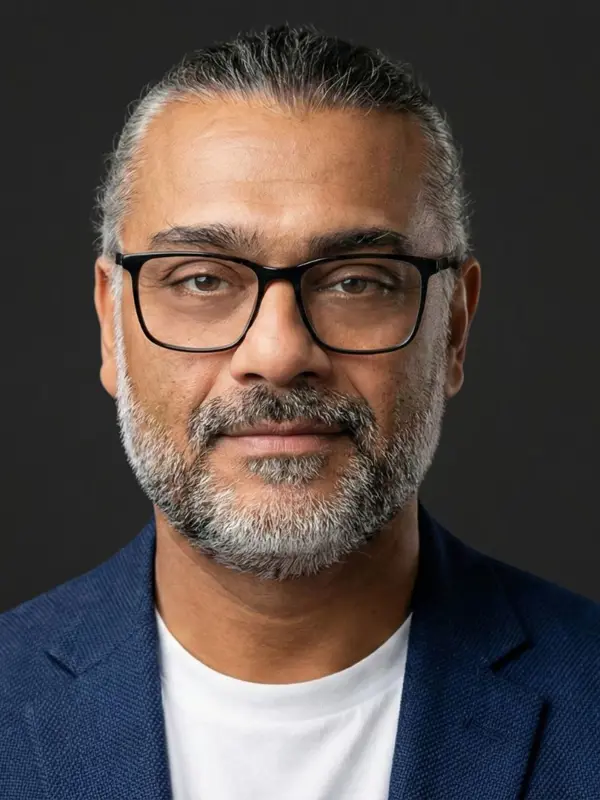
Adipat Virdi is a global voice on XR, empathy-led design and immersive strategy, helping organisations transform how audiences think, feel and engage.