Diabetes is a group of metabolic conditions that cause high blood sugar levels over time. The two main forms are type 1 diabetes and type 2 diabetes, and both require attention to treatment, lifestyle, nutrition, and daily routines.
The topic is relevant because diabetes affects millions of people and can influence energy, work life, mental health, and long-term physical wellbeing. Better awareness can help individuals understand prevention, management, and the lived experience of chronic illness. For organizations, diabetes also connects to broader conversations about workplace wellbeing, inclusion, health education, and sustainable lifestyle habits.
Which topics do our keynotes on diabetes cover?
Keynotes on diabetes can address both the medical, personal, and lifestyle-related sides of the condition. The topic often connects to resilience, nutrition, prevention, physical activity, and the practical realities of living with diabetes. Below are some of the topics explored through one of our keynotes:
Living with type 1 diabetes
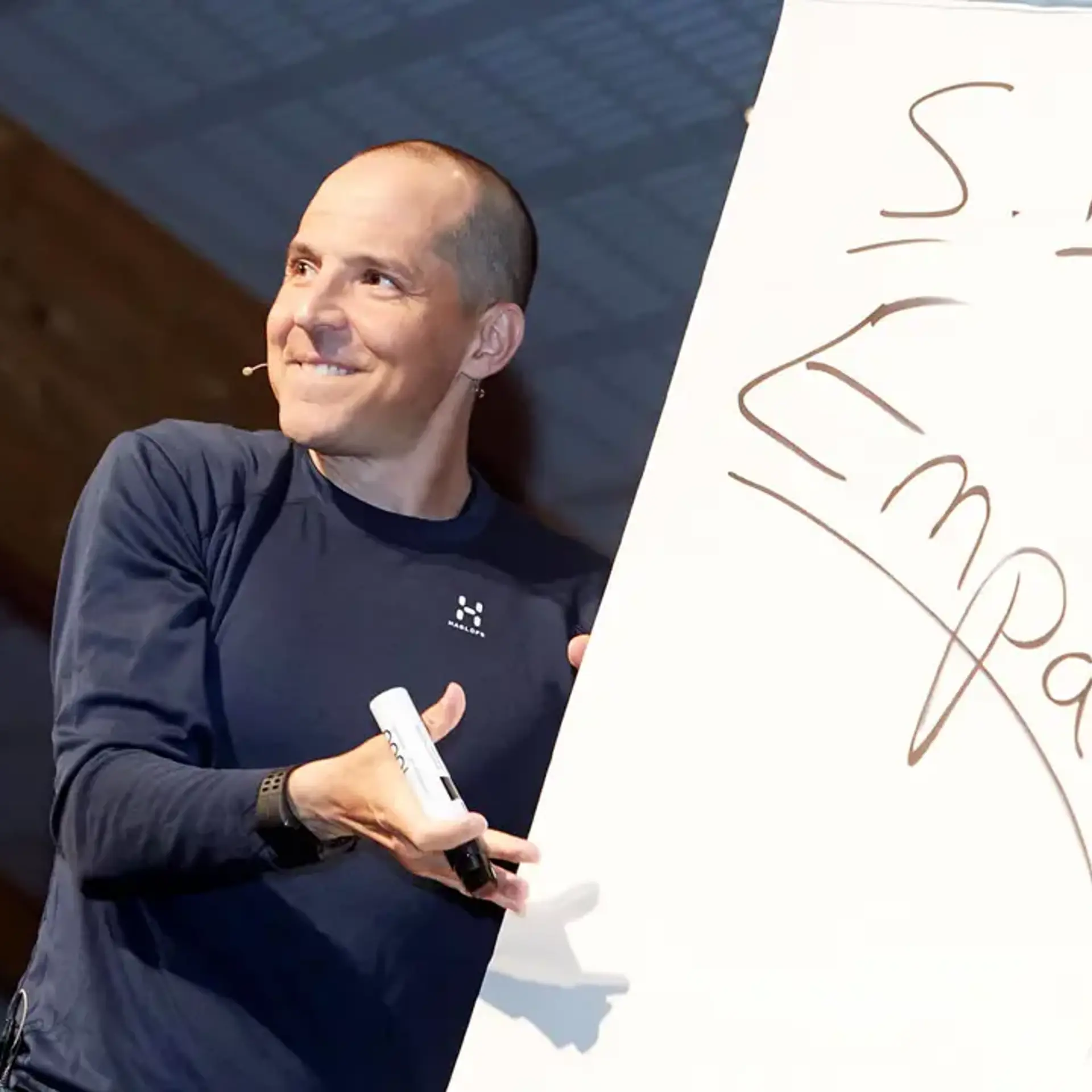
Living with diabetes often requires daily attention, routines, and mental strength alongside treatment and lifestyle choices. Understanding the lived experience can make the condition more relatable and reduce stigma around chronic illness. Chris Ruden explores life with type 1 diabetes, disability, resilience, and overcoming limits. This angle is relevant for audiences interested in health, motivation, and inclusion.
Nutrition and blood sugar awareness
Nutrition plays an important role in understanding blood sugar, energy, and long-term wellbeing. Better food knowledge can support healthier choices without reducing diabetes to restriction or blame. Sanjay Raja explores nutrition, health, and sustainable lifestyle habits. These insights are useful for audiences interested in prevention, performance, and everyday health.
Lifestyle change and type 2 diabetes
Type 2 diabetes is closely connected to lifestyle, prevention, physical activity, and long-term behavior change. Sustainable improvements often depend on realistic habits rather than short-term motivation alone. Chris MacDonald explores human biology, psychology, and lifestyle change, including research related to type 2 diabetes. This topic is relevant for organizations working with health promotion and wellbeing.
Public awareness and health communication
Diabetes awareness can help people recognize risk factors, understand treatment, and talk more openly about chronic illness. Clear communication is important when health topics need to reach broad audiences. Anthony Anderson brings real-life insight and public visibility to conversations about diabetes and health. This perspective can support events focused on awareness, community health, and engagement.
Healthy habits for families and workplaces
Diabetes prevention and management are often shaped by the routines people build at home, at work, and in everyday life. Practical approaches to food, movement, and wellbeing can make health advice easier to apply. Melissa Sherwood explores nutrition and sustainable healthy lifestyles for businesses and families. This topic is relevant for audiences looking for accessible health guidance.
Benefits of a keynote on diabetes
A keynote on diabetes can help create greater awareness of prevention, treatment, lifestyle, and the lived experience of chronic illness. It can make complex health information easier to understand while encouraging healthier habits and more open conversations.
These keynotes can support workplace wellbeing, patient education, inclusion, and health promotion. They also help audiences understand how nutrition, physical activity, resilience, and support systems influence everyday life with diabetes.
Other relevant keynotes within diabetes
Relevant related topics include Blood Sugar, Health, Nutrition, Chronic Illness, and Wellness. These related keynotes can broaden the conversation around diabetes by adding perspectives on prevention, lifestyle, resilience, and overall wellbeing. Combining multiple related keynote topics can also help audiences better understand how physical health, mental wellbeing, habits, and long-term health management are closely connected.
Contact us to find the keynote that best matches your audience and objectives.
How to Book a Speaker
Booking a speaker with A-Speakers is a simple and tailored process that ensures your event receives the perfect angle on the topic. Start by sharing your needs with us, such as event type, preferred speaker, and budget, via email or phone. We then match your requirements with the competencies of our experts and present the ideal candidate for your audience. Once the details are agreed upon, we draw up a contract and collaborate on the further planning to ensure a successful execution. After the keynote has taken place, we of course follow up and evaluate your satisfaction. Book your speaker today.
- Tell us your wishes and needs: Give us a short description of your event, and feel free to include your wishes for a topic or specific speaker, so we can advise you in the best way possible.
- Get a tailored recommendation: Our skilled speaker consultants base their suggestions on your needs and help you choose the speaker that best matches your criteria and budget.
- Formalize the agreement: Once we've found the perfect speaker for your event, we prepare a contract that both parties sign.
- Planning and execution: We support you all the way and coordinate the details together to make the event a successful experience.
- Follow-up and evaluation: After the keynote, we naturally follow up to see if the event lived up to expectations.
Contact us today to find the speaker that matches your needs and vision. Book a speaker now and take the next step toward a stronger future.