Misinformation refers to false, inaccurate or misleading information that is shared regardless of intent. In today's digital environment, misinformation can spread rapidly through social media, online communities and traditional media channels, influencing public opinion and shaping important decisions.
A keynote on Misinformation helps audiences understand why misleading content is so effective and how it impacts trust, politics, business and society. By exploring the forces behind information sharing and belief formation, speakers provide practical insights that help individuals and organizations become more informed, resilient and capable of navigating an increasingly complex media landscape.
Which topics do our keynotes on Misinformation cover?
Misinformation affects organizations, governments and individuals in different ways. Our speakers explore the systems, technologies and behaviors that allow false information to spread and what can be done to address the challenge.
The Changing Media Landscape
The way people consume information has changed dramatically over the past two decades. Traditional gatekeepers have less influence, while digital platforms allow information to travel instantly across the world. Understanding these changes is essential for organizations that depend on public trust.
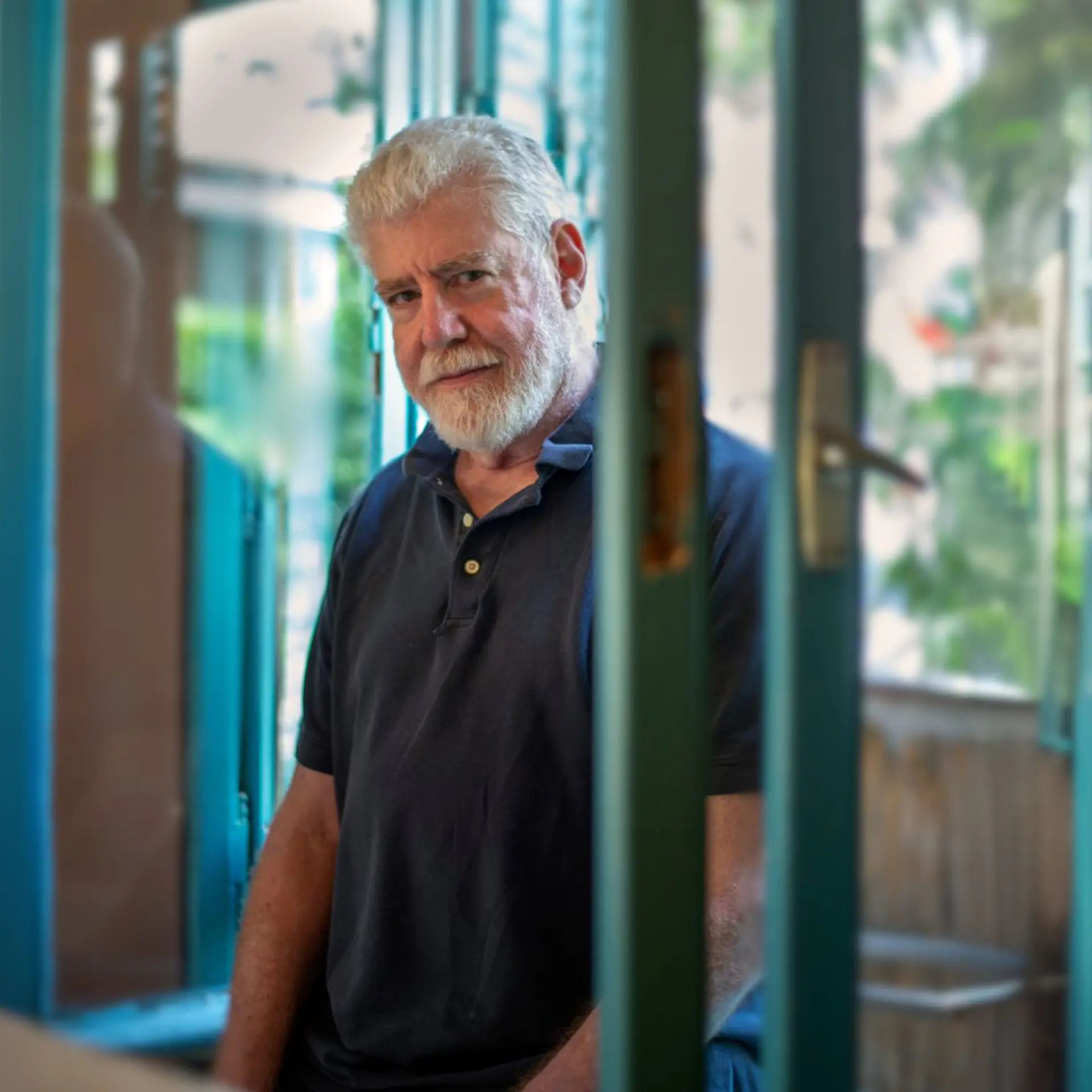
Bob Garfield draws on decades of experience in journalism and media analysis to explain how modern media ecosystems operate. His keynotes help audiences understand the opportunities and risks created by today's information environment.
Radicalization and Online Influence
Misinformation is often connected to extremist movements, conspiracy theories and online communities that amplify misleading narratives. Understanding how these systems operate is critical for building resilience against manipulation.
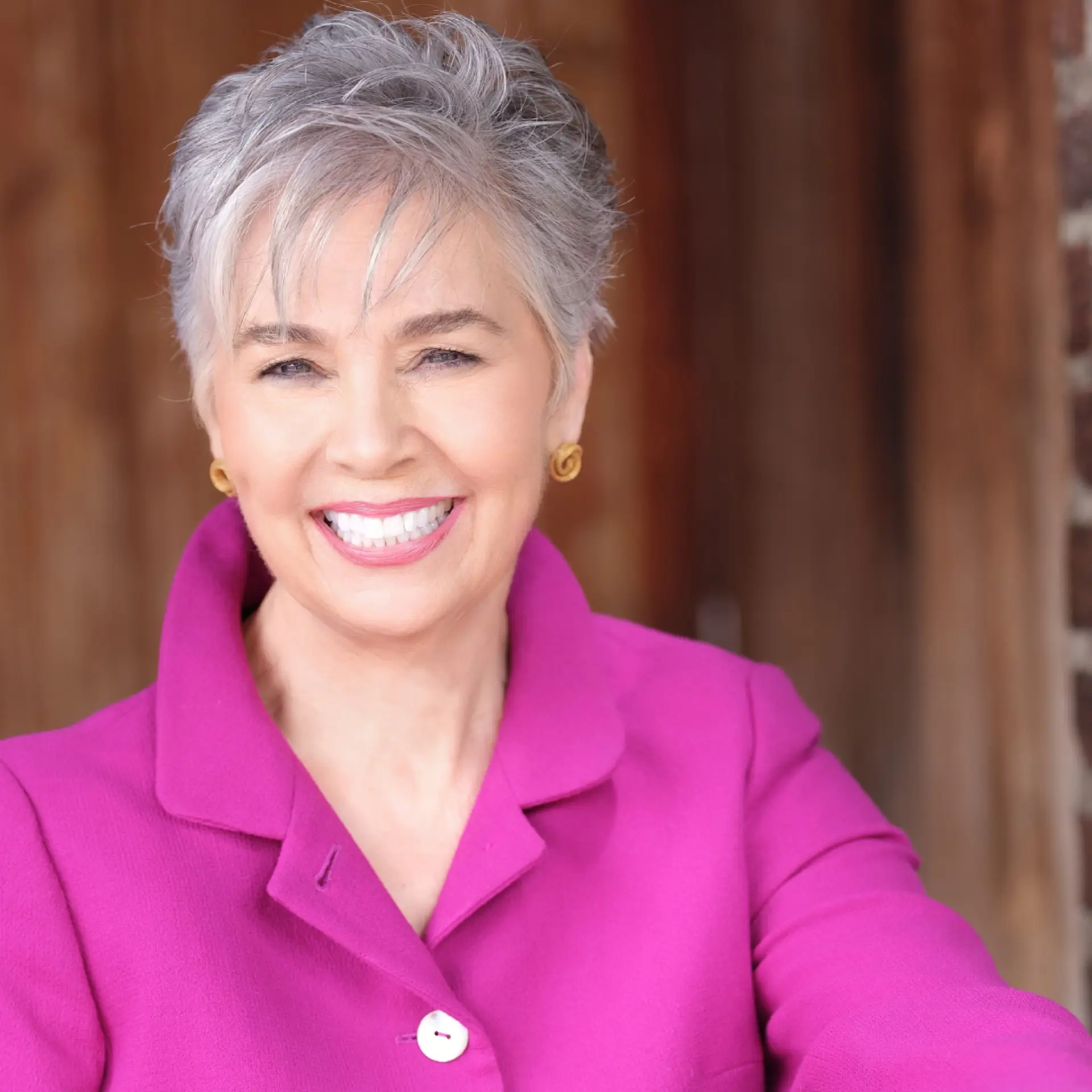
Julia Ebner is a bestselling author and leading researcher on extremism and radicalization. Her keynotes explore how online movements attract followers and how organizations can strengthen their defenses against harmful narratives.
Information Integrity and Public Trust
Trust is increasingly difficult to maintain in an environment where misleading information can spread quickly. Organizations must understand how communication, advertising and digital platforms influence public perception.
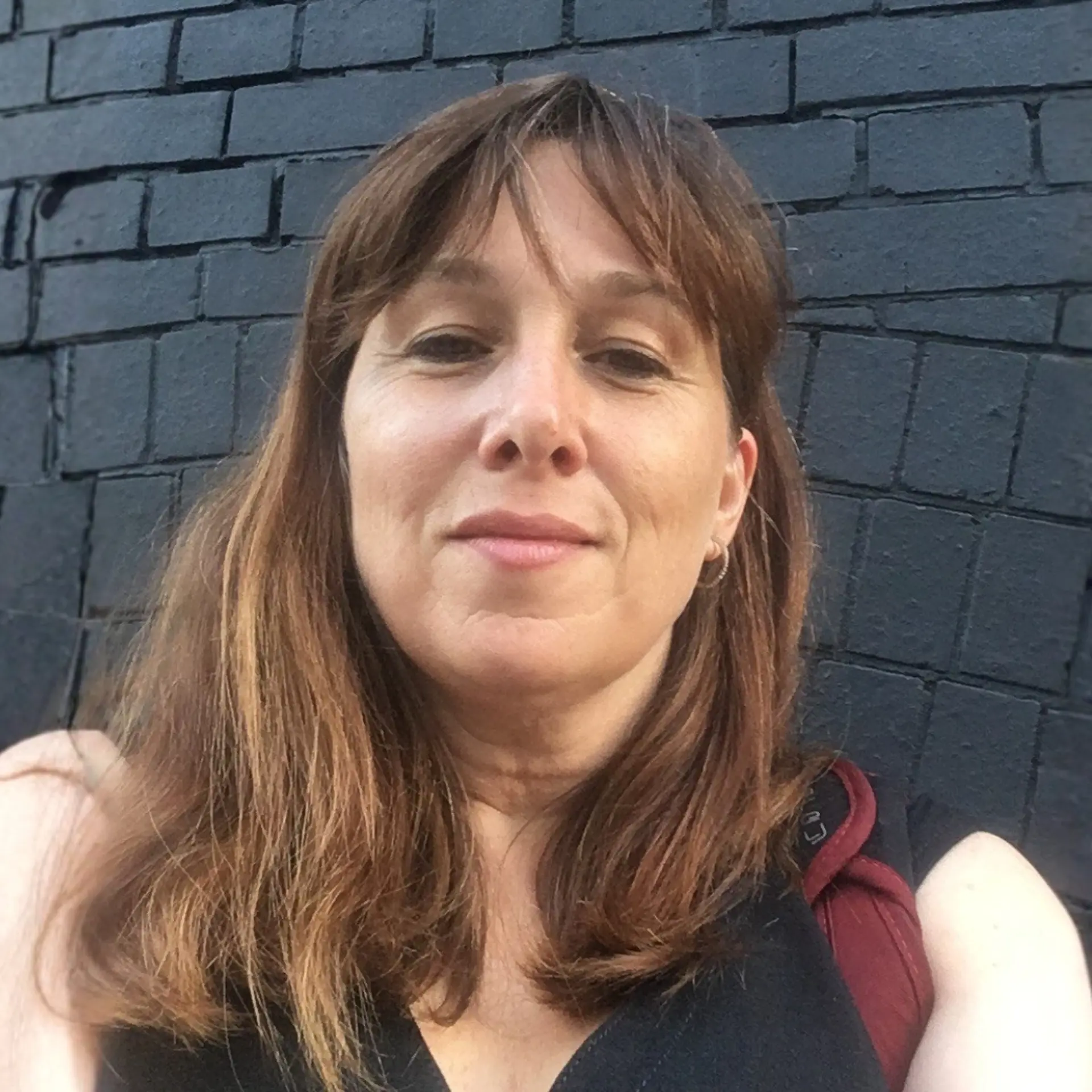
Harriet Kingaby focuses on information integrity and the relationship between advertising, climate communication and human rights. Her keynotes provide valuable insights into building trust and promoting responsible communication.
Politics, Populism and Public Debate
Political discourse is often shaped by misinformation, emotional narratives and competing interpretations of reality. Understanding these dynamics helps audiences better evaluate public debate and policy discussions.
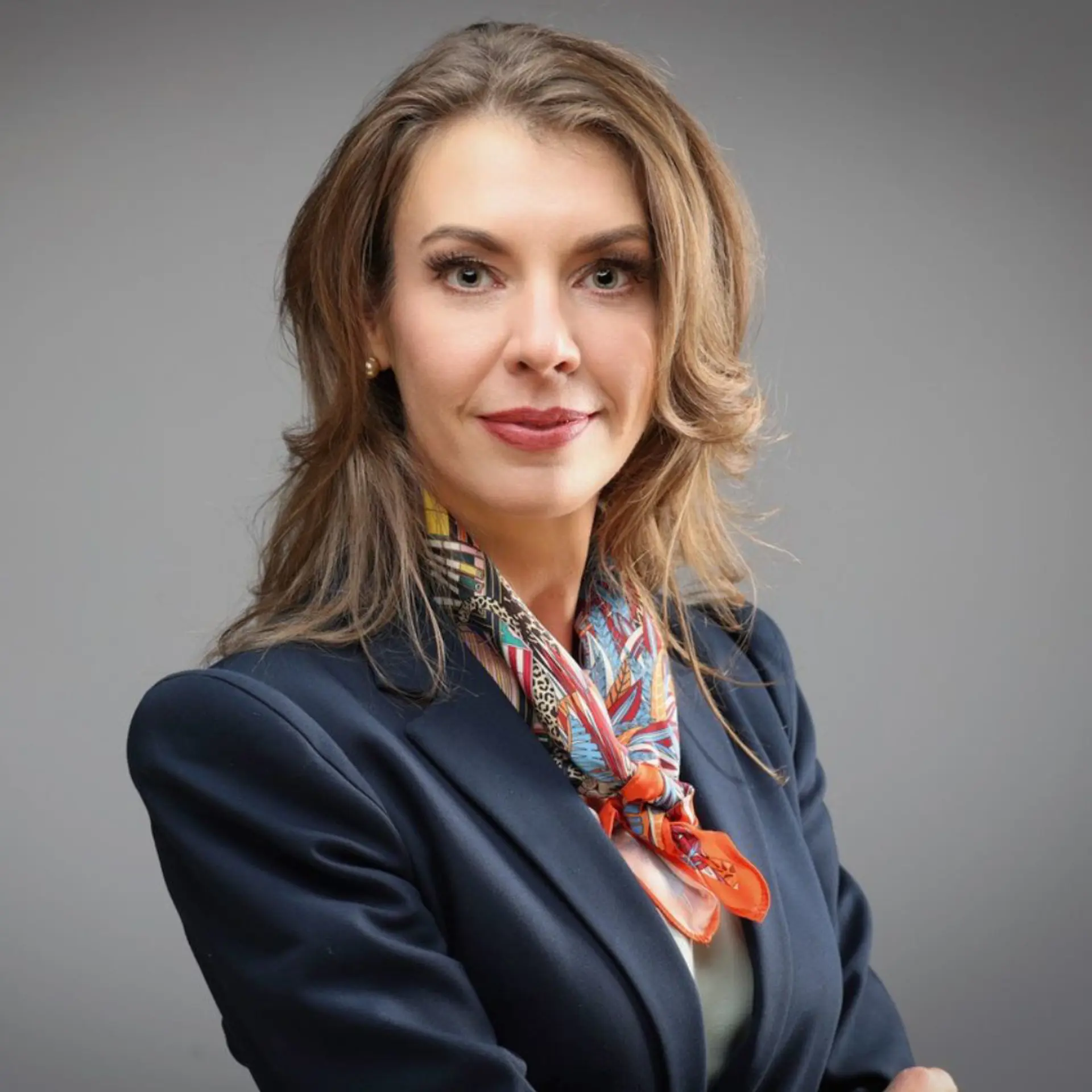
Ian Dunt is an acclaimed political journalist known for his analysis of politics, media and populism. His keynotes help audiences understand how misinformation influences public conversation and democratic institutions.
Benefits of a keynote on Misinformation
A keynote on Misinformation helps audiences become more critical consumers of information and better understand how narratives influence decisions. Participants gain practical insights into media literacy, trust and communication while learning how misinformation spreads across digital platforms. Organizations benefit from a more informed audience that is better equipped to evaluate information, respond to challenges and maintain credibility in an increasingly complex information landscape.
Other relevant keynotes around Misinformation
- Media - Explore how media influences public opinion and communication.
- Fake News - Learn how false information spreads and affects society.
- Cyber Security - Understand digital threats and how organizations can respond.
- Social Media - Discover how online platforms shape behavior and communication.
- Critical Thinking - Learn how to evaluate information and make better decisions.
Would you prefer a different theme? A-Speakers offers a wide range of other topics and occasions, where our expert speakers and experienced moderators are ready to ensure your event runs smoothly.
How to Book a Speaker
Booking a speaker with A-Speakers is a simple and tailored process that ensures your event receives the perfect angle on the topic. Start by sharing your needs with us, such as event type, preferred speaker, and budget, via email or phone. We then match your requirements with the competencies of our experts and present the ideal candidate for your audience. Once the details are agreed upon, we draw up a contract and collaborate on the further planning to ensure a successful execution. After the keynote has taken place, we of course follow up and evaluate your satisfaction. Book your speaker today.
- Tell us your wishes and needs: Give us a short description of your event, and feel free to include your wishes for a topic or specific speaker, so we can advise you in the best way possible.
- Get a tailored recommendation: Our skilled speaker consultants base their suggestions on your needs and help you choose the speaker that best matches your criteria and budget.
- Formalize the agreement: Once we've found the perfect speaker for your event, we prepare a contract that both parties sign.
- Planning and execution: We support you all the way and coordinate the details together to make the event a successful experience.
- Follow-up and evaluation: After the keynote, we naturally follow up to see if the event lived up to expectations.
Contact us today to find the speaker that matches your needs and vision. Book a speaker now and take the next step toward a stronger future.