Non-binding request for Andreas Zeller
Andreas Zeller
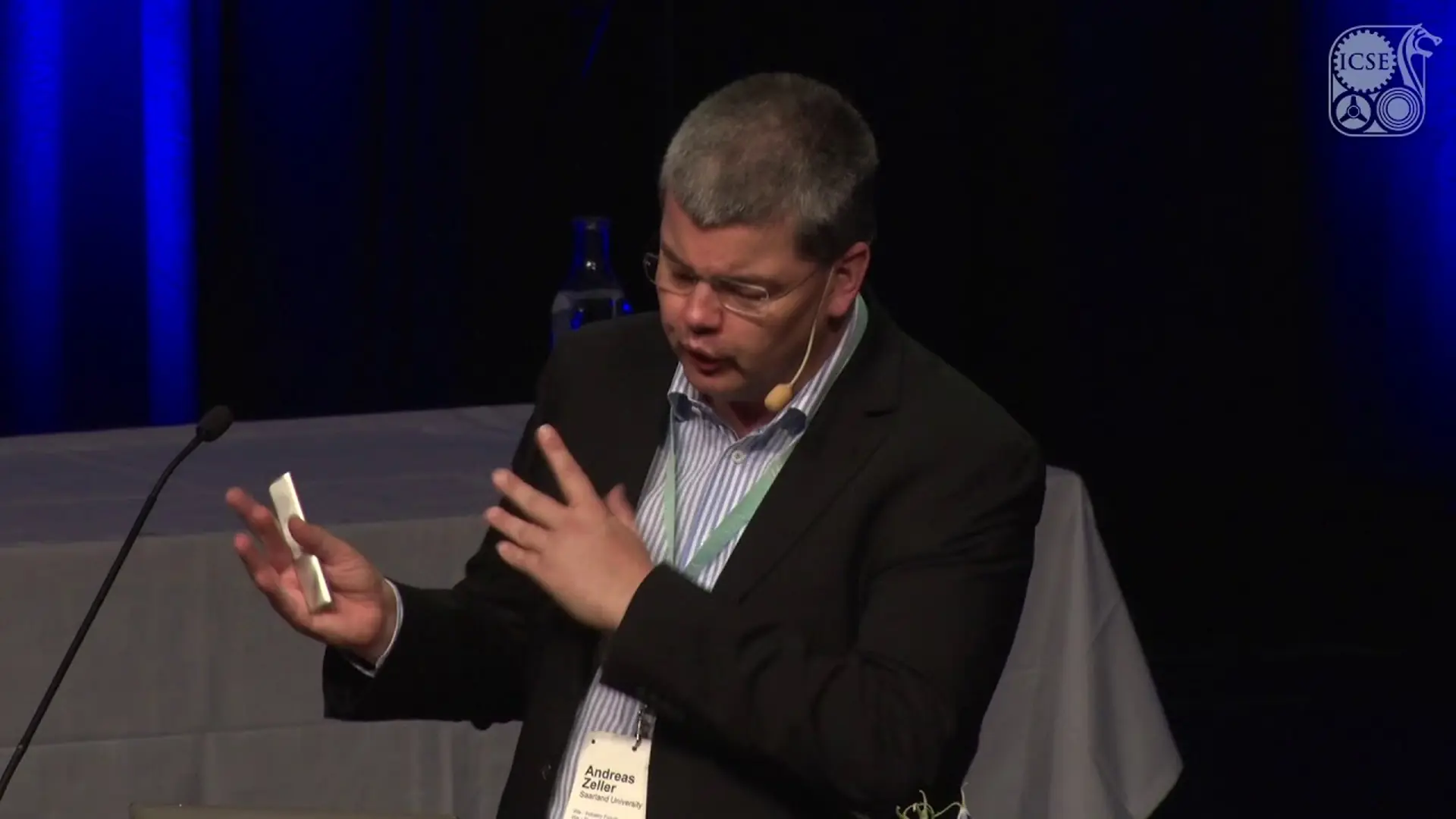
Andreas Zeller is an award-winning software engineering researcher specializing in automated debugging, software analysis and security testing.
Prefer to talk? Call +1 347 223 5128
Andreas Zeller is an award-winning software engineering researcher specializing in automated debugging, software analysis and security testing.
Prefer to talk? Call +1 347 223 5128
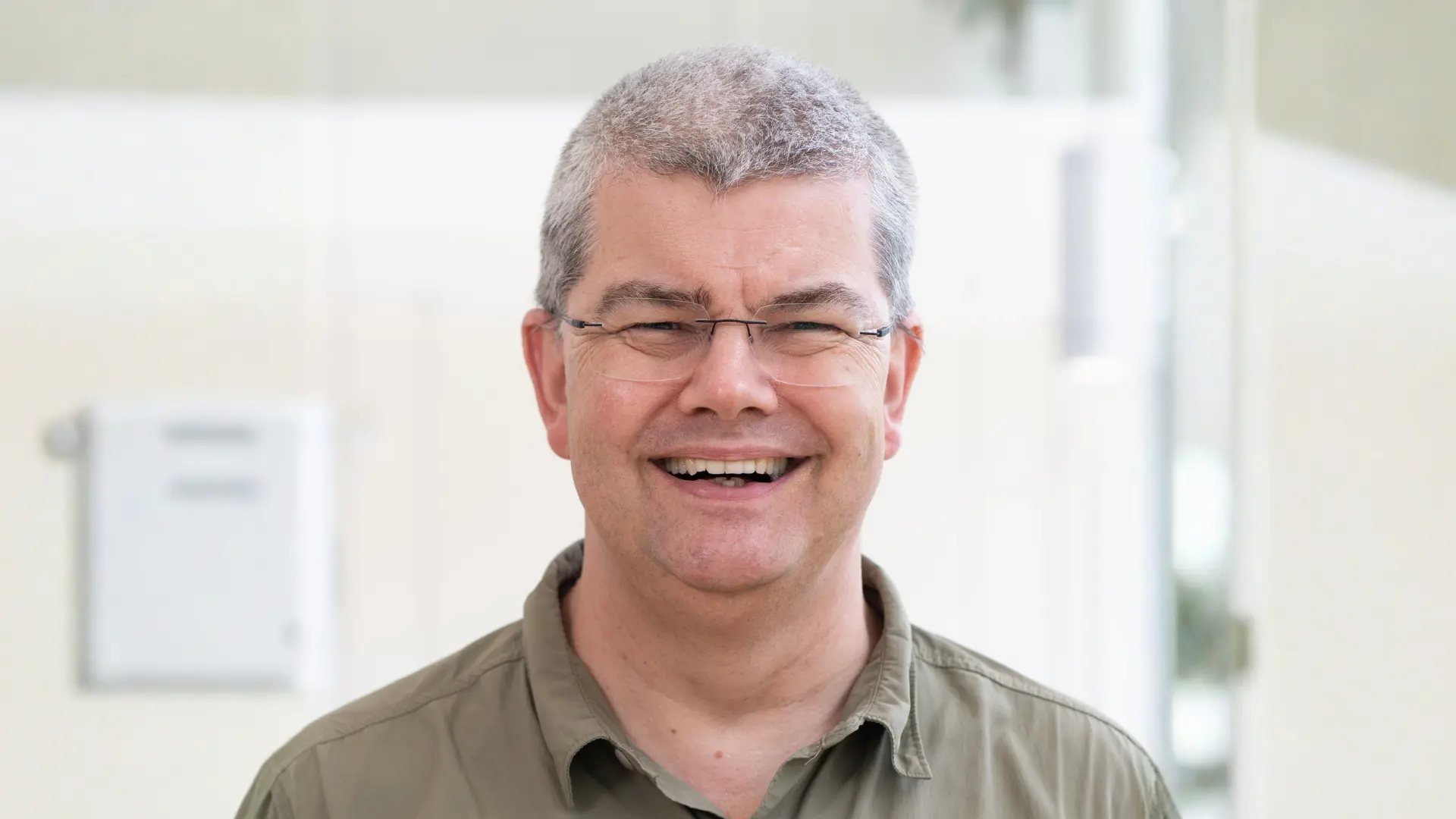
Andreas Zeller is a professor of Software Engineering at Saarland University and faculty at the CISPA Helmholtz Center for Information Security. His award-winning research focuses on automated debugging, software analysis, specification mining and security testing, with impact across academia and industry. An ACM and IEEE Fellow, Andreas is a recipient of the ACM SIGSOFT Outstanding Research Award and two ERC Advanced Grants. Book Andreas Zeller for expert insights into software engineering, security and the methods shaping how software is analyzed and improved.
Andreas Zeller has built his academic career around understanding software and developing methods that can make it easier to analyze, debug and test. He is a professor of Software Engineering at Saarland University and faculty at the CISPA Helmholtz Center for Information Security, bringing together expertise in software engineering and information security.
His research addresses challenges that are central to the way software is developed and maintained. From finding the causes of failures to extracting useful knowledge from existing software, Andreas Zeller works with automated approaches designed to improve our understanding of complex software systems.
His main research areas include:
These fields tackle different parts of a shared challenge: how can we better understand what software does, identify problems and use automation to support more effective software engineering?
Andreas Zeller’s research has received several awards for its impact in both academia and industry. His work demonstrates how software engineering research can address practical challenges while advancing the scientific understanding of software systems.
Automated debugging is one of the areas closely associated with his research. Debugging can be a demanding part of software development, requiring developers to determine why a program behaves differently from what was intended. Research into automated debugging investigates how this process can be supported systematically, allowing relevant causes and behaviors to be identified more effectively.
Mining software archives approaches software from another perspective. Software projects generate substantial amounts of information over time, and these archives can provide valuable insights into how programs evolve, where problems occur and what can be learned from previous development activity.
Specification mining and security testing further extend Andreas Zeller’s research into understanding expected software behavior and identifying weaknesses. Together, these areas place his work at the intersection of software engineering, automation and security.
The significance of Andreas Zeller’s work is reflected in the recognition he has received throughout his research career. He is an ACM Fellow as well as an IEEE Fellow, distinctions that recognize substantial contributions within computing and technology.
Andreas Zeller also holds the ACM SIGSOFT Outstanding Research Award. This recognition reflects the impact of his contributions to software engineering research and complements the awards his work has received for its influence across academia and industry.
He has furthermore been awarded two ERC Advanced Grants. These grants represent Europe’s highest level of funding for individual researchers and support ambitious research conducted by established research leaders. Receiving two ERC Advanced Grants highlights the strength and continued relevance of Zeller’s research agenda.
Software has become deeply embedded in organizations, products and digital infrastructure, making the ability to understand and test complex systems increasingly important. Andreas Zeller approaches these challenges through research that focuses on extracting information from software itself and using automation to uncover behavior, problems and potential vulnerabilities.
His work on automated debugging asks how systems can help identify what causes software to fail. His research into software archives examines what developers and researchers can learn from the history and evolution of software projects. Specification mining focuses on deriving knowledge about how software is expected to behave, while security testing addresses the crucial task of finding weaknesses that may affect the reliability and security of systems.
This combination gives Andreas Zeller a distinctive perspective on software engineering. Rather than treating debugging, testing, software history and specifications as isolated topics, his research contributes to a broader understanding of how software can be examined systematically and how automated techniques can support that process.
Book speaker Andreas Zeller for an event focused on software engineering, information security, automated debugging or the research methods transforming how we understand software. His background combines extensive academic expertise with research that has demonstrated impact beyond academia.
As faculty at the CISPA Helmholtz Center for Information Security and professor of Software Engineering at Saarland University, Andreas Zeller operates in environments dedicated to advancing knowledge in software and security. His research credentials—including recognition as an ACM Fellow and IEEE Fellow, the ACM SIGSOFT Outstanding Research Award and two ERC Advanced Grants—reflect a career dedicated to advancing the field.
An Andreas Zeller speaking engagement gives audiences access to research-backed insights into how software can be analyzed, tested and understood through automation. For audiences interested in the future of software engineering, debugging and security testing, his expertise provides a strong foundation for understanding both the technical challenges and the research shaping new approaches to solving them.
Keynote by Andreas Zeller:
AI is changing software testing at remarkable speed—but greater automation does not automatically mean more robust or secure software.
In this keynote, Andreas Zeller explores the threats and promises of AI-based testing and what they mean for organizations developing increasingly complex software systems. As AI creates new possibilities for generating tests, identifying weaknesses, and analyzing software behavior, it also raises an essential question: How can teams use these capabilities without introducing new risks or developing a false sense of security?
Drawing on his expertise in automated debugging, software analysis, and security testing, Zeller examines where AI-based approaches can strengthen testing and where human judgment, rigorous methods, and careful validation remain essential. Attendees gain a clearer understanding of the opportunities and limitations of AI in software testing, along with practical perspectives on what organizations need to consider when building robust and secure software.
For technology leaders, developers, and software professionals navigating the rapid evolution of AI, this keynote offers a research-driven perspective on how to turn powerful new testing capabilities into software that can be trusted.
Keynote by Andreas Zeller:
As AI changes how software is created, one question becomes increasingly important: how can organizations ensure that the software they build actually works as intended?
In “Systematic Software Testing in the Age of AI,” Andreas Zeller explores how software testing must evolve in a world where development is increasingly shaped by artificial intelligence and automation. The keynote examines the role of systematic testing in identifying failures, understanding software behavior, and building greater confidence in complex systems.
Drawing on his research in automated debugging, specification mining, and security testing, Zeller provides a research-backed perspective on the challenges and opportunities emerging at the intersection of AI and software engineering. Audiences will gain insights into how systematic approaches can strengthen testing, where automation can make a meaningful difference, and why rigorous methods remain essential as software development evolves.
Relevant for technology leaders, developers, software engineers, and organizations navigating the impact of AI, this keynote offers a clear perspective on a rapidly changing field. Andreas Zeller invites audiences to look beyond the excitement surrounding AI and consider a fundamental challenge: how do we systematically test the software of tomorrow?
Keynote by Andreas Zeller:
What if testing software could reveal far more than whether a system crashes?
In this keynote, Andreas Zeller explores the next generation of fuzz testing and its potential to move beyond traditional robustness testing. Rather than focusing solely on failures and vulnerabilities, modern fuzzing approaches open the door to systematically exploring software functionality—providing deeper insights into what programs actually do and how they behave.
For software engineers, security professionals and technology leaders, this shift presents an important opportunity. As software systems become increasingly complex, understanding their full range of behavior is a growing challenge. Andreas Zeller examines how fuzz testing can contribute to that understanding and why its role can extend far beyond finding crashes.
Attendees will gain a fresh perspective on fuzz testing, its evolving possibilities and how automated exploration can support a more comprehensive approach to software testing. The keynote connects software engineering and security with a practical question: How much of a system’s functionality can we uncover automatically?
A compelling keynote for audiences ready to rethink what software testing can achieve.
Keynote by Andreas Zeller:
What if research and development could test ideas, learn from results, and uncover new possibilities with far greater speed and precision? Automatic experimentation is opening the door to a new way of approaching discovery.
In this keynote, Andreas Zeller explores how automation can transform experimentation and reshape the way organizations approach research and development. Drawing on his expertise in automated methods, software engineering, and security testing, he examines what happens when experimentation becomes increasingly systematic, scalable, and driven by technology.
For researchers, technology leaders, and organizations navigating growing complexity, the potential is significant. Automatic experimentation can challenge established processes, accelerate learning, and change how teams investigate problems and evaluate solutions. Yet it also raises important questions about how automated approaches should be designed, interpreted, and applied.
Attendees will gain a clearer understanding of the principles behind automatic experimentation, its opportunities for R&D, and the considerations that come with adopting new automated methods. Andreas Zeller offers a research-driven perspective on a development that could redefine how new knowledge is created—making this keynote a compelling exploration of what comes next for research and innovation.
Watch Andreas Zeller in action