Non-binding request
Get in touch with us today and we'll help you find the perfect speaker for your event.
Get in touch with us today and we'll help you find the perfect speaker for your event.
If your organization wants to strengthen awareness of hatred, discrimination, conflict, or human rights, a keynote on genocide can provide important historical and ethical perspectives. These keynotes help audiences understand how prejudice, silence, propaganda, and dehumanization can lead to devastating consequences.
If you already work with history, diversity, or human rights education, a more advanced angle can focus on Holocaust education, reconciliation, resilience after trauma, or dialogue across deep divides.
Contact us, and we will help you find the right level the first time.
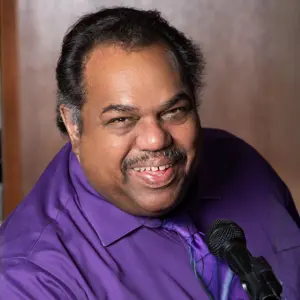
Daryl Davis is a renowned musician and conflict navigator who shows how honest conversation can turn fear and hatred into understanding.
Empowering organizations through Holocaust education, Freddy Naftel transforms history into powerful lessons on ethics, resilience, and humanity.
Get in touch with us today and we'll help you find the perfect speaker for your event.
Genocide refers to acts committed with the intent to destroy, in whole or in part, a national, ethnic, racial, or religious group. It is regarded as one of the gravest crimes against humanity and is closely connected to issues such as hatred, propaganda, discrimination, war, and human rights violations.
The topic remains relevant because genocide is not only a historical subject. Understanding how it happens helps societies recognize warning signs, challenge prejudice, and protect human dignity. Keynotes on genocide create space for reflection, learning, and responsibility.
Genocide keynotes explore the human, historical, and ethical dimensions of mass violence and hatred. They help audiences understand how prejudice develops, how communities are affected, and why education and dialogue are essential for prevention. Below are examples of topics covered through our keynotes on genocide:
Learning about genocide requires more than memorizing historical events. It involves understanding the choices, systems, and social conditions that allowed atrocities to happen. Freddy Naftel brings Holocaust education into meaningful conversations about ethics, humanity, and responsibility. This topic helps audiences connect history to present-day choices and the importance of speaking up against hatred.
Genocide often begins with fear, stereotypes, and the dehumanization of others. Keynotes on this topic explore how honest dialogue can challenge prejudice before it grows into exclusion or violence. Daryl Davis offers powerful insight into how conversation can reduce hatred and build understanding across deep divides. These perspectives help organizations and communities strengthen trust, empathy, and social responsibility.
The impact of genocide and war continues long after violence ends. Keynotes on this topic examine resilience, recovery, and the human ability to rebuild life after extreme adversity. Maja Kazazic shares a personal perspective on survival, perseverance, and finding strength after trauma. This helps audiences reflect on courage, teamwork, and the long-term human consequences of violence.
A keynote on genocide gives audiences a deeper understanding of history, hatred, human rights, and moral responsibility. It can strengthen awareness of how prejudice and dehumanization develop, while encouraging reflection on the role individuals and institutions play in preventing harm.
These keynotes are valuable for education, leadership, diversity work, and public dialogue. They help create informed conversations about ethics, empathy, resilience, and the importance of protecting human dignity.
Organizations interested in genocide often explore related keynotes such as Human Rights, Prejudice, Racism, World War II, Civil Rights, and Global Issues. These related topics provide broader perspectives on history, justice, discrimination, conflict, and human dignity. Together, they help audiences understand how societies can learn from the past and take greater responsibility in the present.
Contact us today to find the keynote that best matches your goals.
Booking a speaker with A-Speakers is a simple and tailored process that ensures your event receives the perfect angle on the topic. Start by sharing your needs with us, such as event type, preferred speaker, and budget, via email or phone. We then match your requirements with the competencies of our experts and present the ideal candidate for your audience. Once the details are agreed upon, we draw up a contract and collaborate on the further planning to ensure a successful execution. After the keynote has taken place, we of course follow up and evaluate your satisfaction. Book your speaker today.
Contact us today to find the speaker that matches your needs and vision. Book a speaker now and take the next step toward a stronger future.