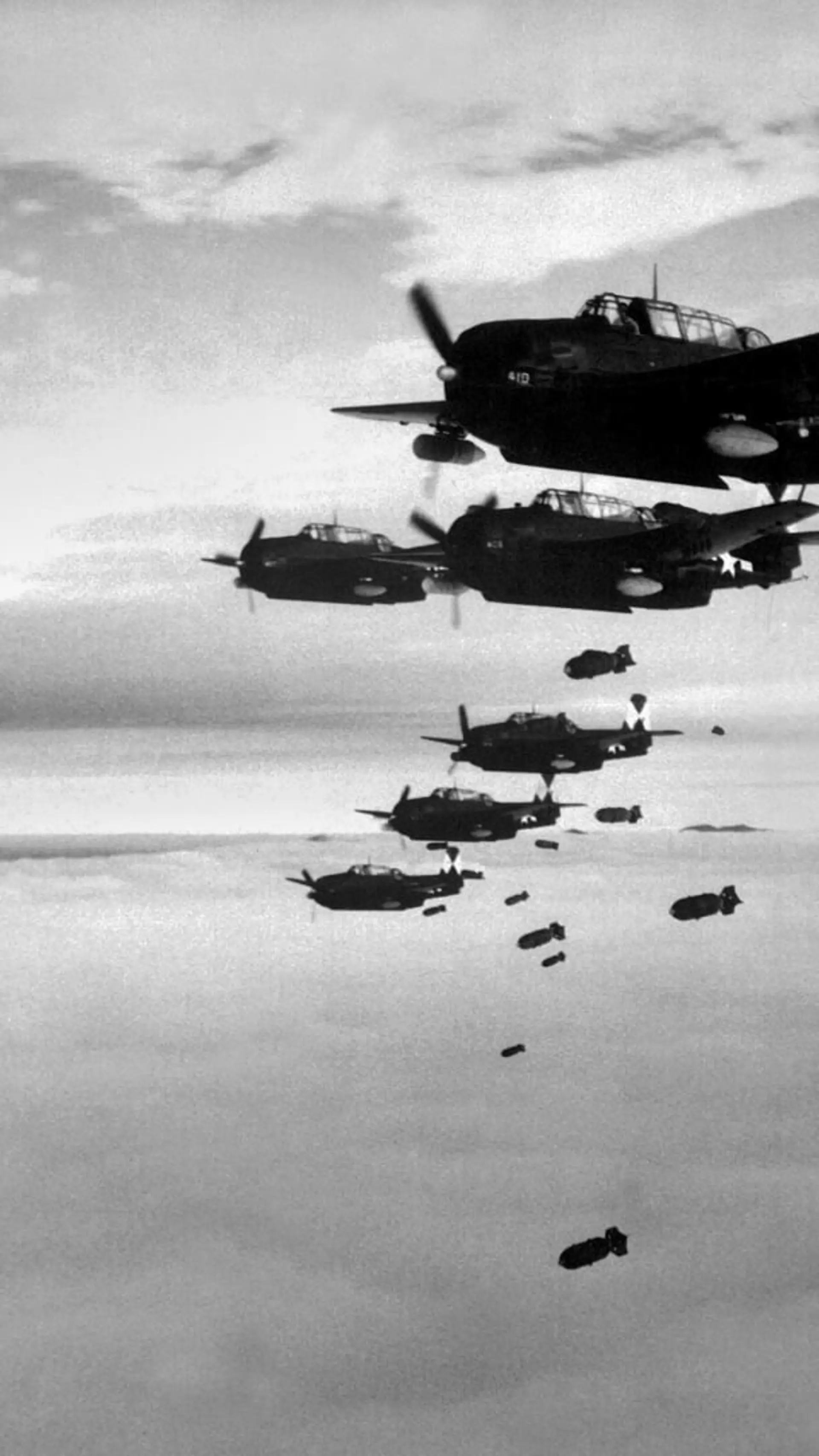
World War II (1939–1945) was a global conflict involving most of the world’s nations, fundamentally shaping the political, economic, and social structures we know today. It was marked by significant events such as the Holocaust, technological advancements, and the emergence of superpowers. Understanding World War II is essential not only for historical knowledge but also for gaining insight into leadership, conflict resolution, international relations, and ethical responsibility. Its lessons continue to influence modern geopolitics, organizational strategy, and societal values.
Which topics do our keynotes on World War II cover?
Our keynotes explore a range of perspectives on World War II, connecting historical events with contemporary relevance. Below are some of the key themes:
Military strategy, turning points, and the course of the war
World War II was shaped by decisive campaigns, strategic choices, and rapidly changing global alliances. A keynote on this theme can explore how military planning, logistics, and leadership influenced the outcome of the war, while also showing how large-scale strategy and adaptability remain relevant today. James Holland is an excellent speaker on this topic, bringing the realities of wartime decision-making and operational history to life in a way that is engaging, accessible, and highly relevant for modern audiences.
The Holocaust, moral responsibility, and human resilience
No understanding of World War II is complete without reflecting on the Holocaust and the ethical lessons it continues to teach. Keynotes on this subject can help organizations and audiences explore prejudice, moral courage, remembrance, and the responsibility to act in the face of injustice. Freddy Naftel offers a powerful perspective here, transforming Holocaust education into meaningful lessons about ethics, resilience, humanity, and the importance of never forgetting the consequences of hatred and indifference.
Courage, sacrifice, and leadership under pressure
World War II is filled with extraordinary stories of individuals and teams who acted with bravery in the face of enormous danger. This topic focuses on courage, service, endurance, and the leadership qualities that emerge when the stakes are highest. It is especially relevant for organizations looking to inspire accountability, teamwork, and purpose. Alex Kershaw is a compelling speaker in this area, known for his gripping storytelling and his ability to draw clear lessons from historical acts of courage and wartime leadership.
Statesmanship, Churchill, and lessons from history’s leaders
The Second World War was also a defining era of political leadership, with figures such as Winston Churchill leaving a lasting impact on both the war and the modern world. Keynotes on this theme can examine leadership communication, strategic judgment, perseverance, and the burden of responsibility in times of crisis. Andrew Roberts is particularly suited to this subject, drawing on his extensive work as a bestselling historian and Churchill biographer to reveal what today’s leaders can learn from some of history’s most influential decision-makers.
Benefits of a keynote on World War II
Booking a keynote on World War II provides your audience with valuable historical perspective that enhances critical thinking and strategic awareness. Participants gain insights into leadership, crisis management, and ethical decision-making that can be applied in modern organizational contexts. These keynotes also foster reflection on global responsibility and the consequences of actions, making them highly relevant for both professional and educational settings. Ultimately, they inspire a deeper understanding of how the past shapes present and future decisions.
Other relevant keynotes within history
If you are interested in World War II, you may also find keynotes on World War I, the Cold War, fascism, and leadership especially relevant. These topics can broaden your understanding of global conflict, political decision-making, and how historical leadership continues to shape the world today. Contact us today, and we will help you find the keynote that best matches your event and audience.
How to Book a Speaker
Booking a speaker with A-Speakers is a simple and tailored process that ensures your event receives the perfect angle on the topic. Start by sharing your needs with us, such as event type, preferred speaker, and budget, via email or phone. We then match your requirements with the competencies of our experts and present the ideal candidate for your audience. Once the details are agreed upon, we draw up a contract and collaborate on the further planning to ensure a successful execution. After the keynote has taken place, we of course follow up and evaluate your satisfaction. Book your speaker today.
- Tell us your wishes and needs: Give us a short description of your event, and feel free to include your wishes for a topic or specific speaker, so we can advise you in the best way possible.
- Get a tailored recommendation: Our skilled speaker consultants base their suggestions on your needs and help you choose the speaker that best matches your criteria and budget.
- Formalize the agreement: Once we've found the perfect speaker for your event, we prepare a contract that both parties sign.
- Planning and execution: We support you all the way and coordinate the details together to make the event a successful experience.
- Follow-up and evaluation: After the keynote, we naturally follow up to see if the event lived up to expectations.
Contact us today to find the speaker that matches your needs and vision. Book a speaker now and take the next step toward a stronger future.