Non-binding request for Cornel Amariei
Cornel Amariei
Cornel Amariei is the founder of .lumen, using AI and autonomous-driving principles to build mobility technology for people who are blind.
Prefer to talk? Call +1 347 223 5128
Cornel Amariei is the founder of .lumen, using AI and autonomous-driving principles to build mobility technology for people who are blind.
Prefer to talk? Call +1 347 223 5128
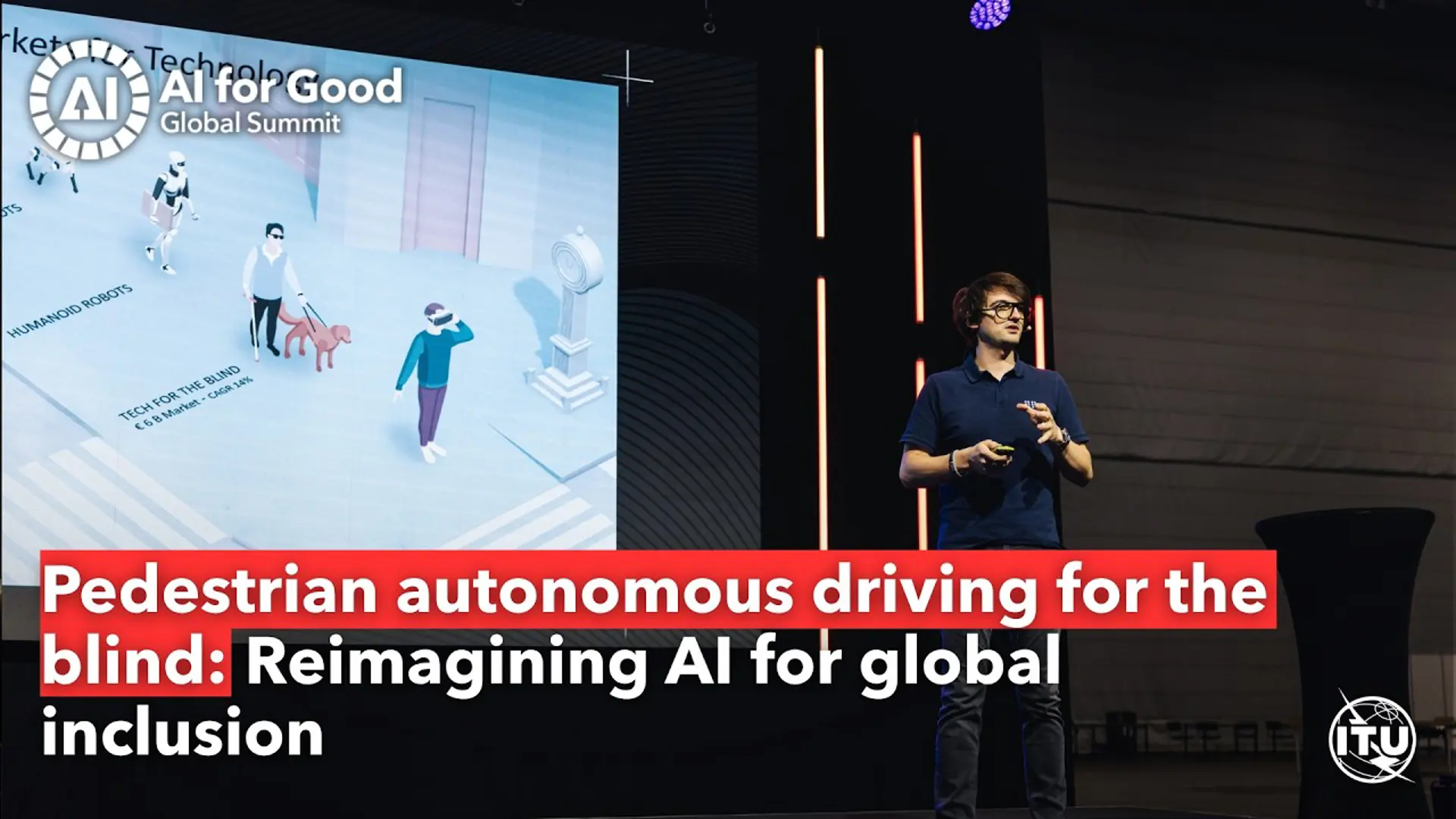
Cornel Amariei is an entrepreneur, engineer and innovator whose work sits at the intersection of artificial intelligence, deep tech and human impact. As founder and CEO of .lumen, he is developing AI-powered "glasses for the blind" that replicate the function of a guide dog using technology principles behind autonomous vehicles. From programming at age seven and building award-winning robotics teams to leading automotive innovation and founding an internationally recognized deep-tech company, Cornel shows what can happen when advanced technology is focused on solving meaningful human problems.
Cornel Amariei is the founder and CEO of .lumen, a Cluj-Napoca-based deep-tech company developing AI-powered "glasses for the blind". The wearable technology is designed to help people who are blind navigate independently by applying principles from artificial intelligence, computer vision and autonomous mobility.
Born in Bucharest in 1993, Cornel began programming at the age of seven and, at 15, founded Romania's first high-school robotics club. The team went on to win more than 70 international awards. He later studied Electrical Engineering & Computer Science at Constructor University, formerly Jacobs University, in Bremen, Germany, where he first developed the concept that would eventually become the foundation for .lumen's glasses.
Before establishing .lumen in 2020, Cornel worked at Continental Automotive, becoming Head of Innovation at just 23 years old. During his time there, he filed dozens of patented innovations and gained extensive experience turning advanced engineering concepts into practical technologies.
His focus on assistive technology is deeply personal. Both of Cornel's parents live with locomotor disabilities, while his sister has an intellectual disability. Growing up in this environment gave him firsthand insight into the challenges people with disabilities can face and inspired his ambition to use technology to create greater independence.
This perspective became a driving force behind .lumen and its mission to address a clear human need through sophisticated engineering.
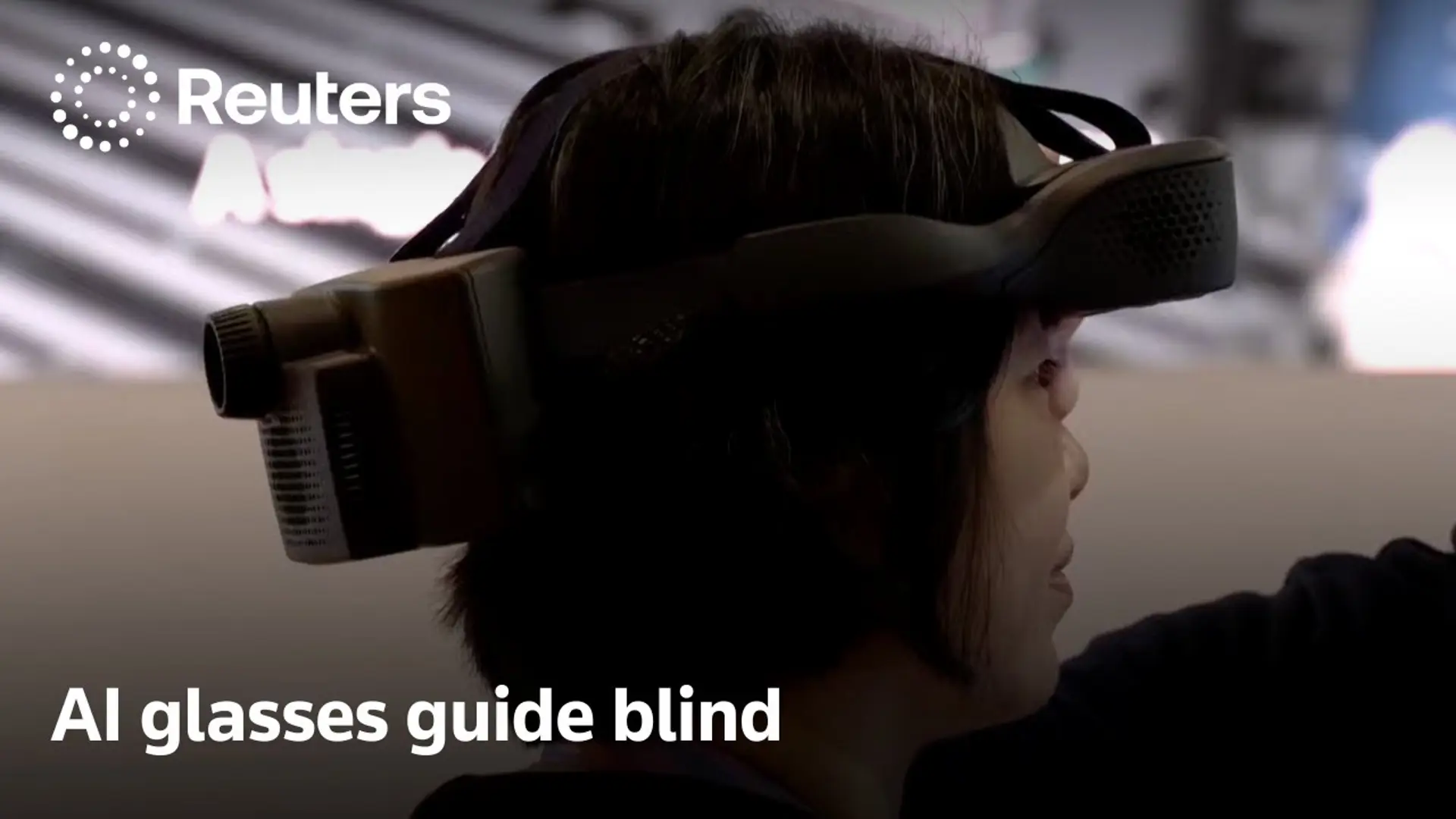
.lumen's technology demonstrates how developments in AI and autonomous mobility can be applied beyond vehicles. The glasses integrate six cameras and use real-time computer vision to calculate a safe walking path approximately 100 times every second.
Directional haptic feedback guides users on where and how to move, while the system operates fully offline and does not require environments to be mapped in advance.
Through this work, Cornel gives audiences a practical perspective on human-centred AI and innovation. He explores how leaders and entrepreneurs can identify problems worth solving, transfer technologies between industries and turn ambitious engineering ideas into solutions designed for real-world use.
Cornel's journey with .lumen also provides insight into the realities of building and scaling a technically ambitious company.
In 2021, .lumen became the first Romanian startup to win European Innovation Council Accelerator funding, receiving approximately €9–9.7 million. The company subsequently raised further investment from organizations including Catalyst Romania and Sweden's Tigrim Capital.
In October 2025, .lumen secured an €11 million EU grant to extend its core technology into autonomous delivery robots. In January 2026, the company won a CES Innovation Award, becoming the first Romanian company to achieve this recognition. It also entered a global engineering and supply-chain partnership with Arrow Electronics to support production at scale.
These experiences give Cornel a valuable perspective on entrepreneurship, AI, funding, product development and bringing deep-tech solutions to an international market.
Cornel Amariei's achievements have earned him international recognition, including:
Cornel's story combines technical expertise, entrepreneurship and personal purpose. Book Cornel Amariei for an event focused on AI, deep tech, accessibility, entrepreneurship or innovation, and discover how emerging technologies can be transformed into practical solutions with meaningful human impact.

Keynote by Cornel Amariei:
How personal experience of disability in his own family shaped a product now changing life for blind users worldwide.
Keynote by Cornel Amariei:
Turning IP and R&D into a scalable, fundable deep-tech business.
Keynote by Cornel Amariei:
Lessons from winning Europe's EIC Accelerator as the first Romanian company ever to do so.
Keynote by Cornel Amariei:
Extending assistive-tech AI into autonomous delivery robotics.
Watch Cornel Amariei in action
Watch Cornel Amariei in action