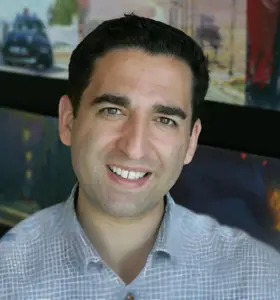
David Otey – Making Difficult Conversations Possible
For most of his career, David Otey has helped people communicate ideas that matter. From scientists explaining discoveries and engineers presenting new ideas to project leaders seeking support and professionals sharing their expertise, his work has centered on turning complex information into understanding and meaningful action.
Throughout that journey, David discovered a principle that would eventually shape his approach to both communication and mental health: the right words matter, but connection must come first.
Before people are willing to consider new ideas, respond to evidence or share what they truly need, they must feel that someone is listening.
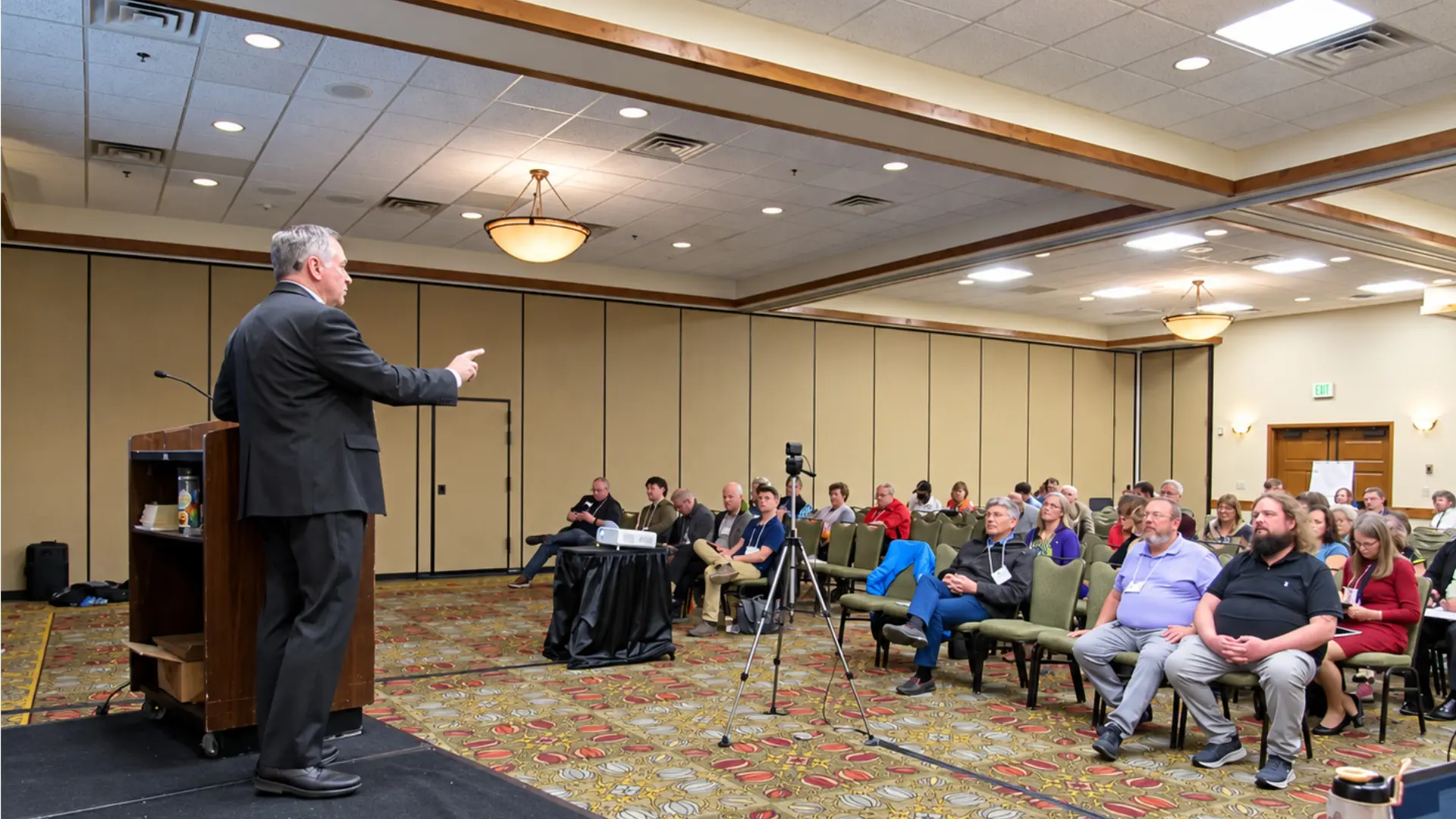
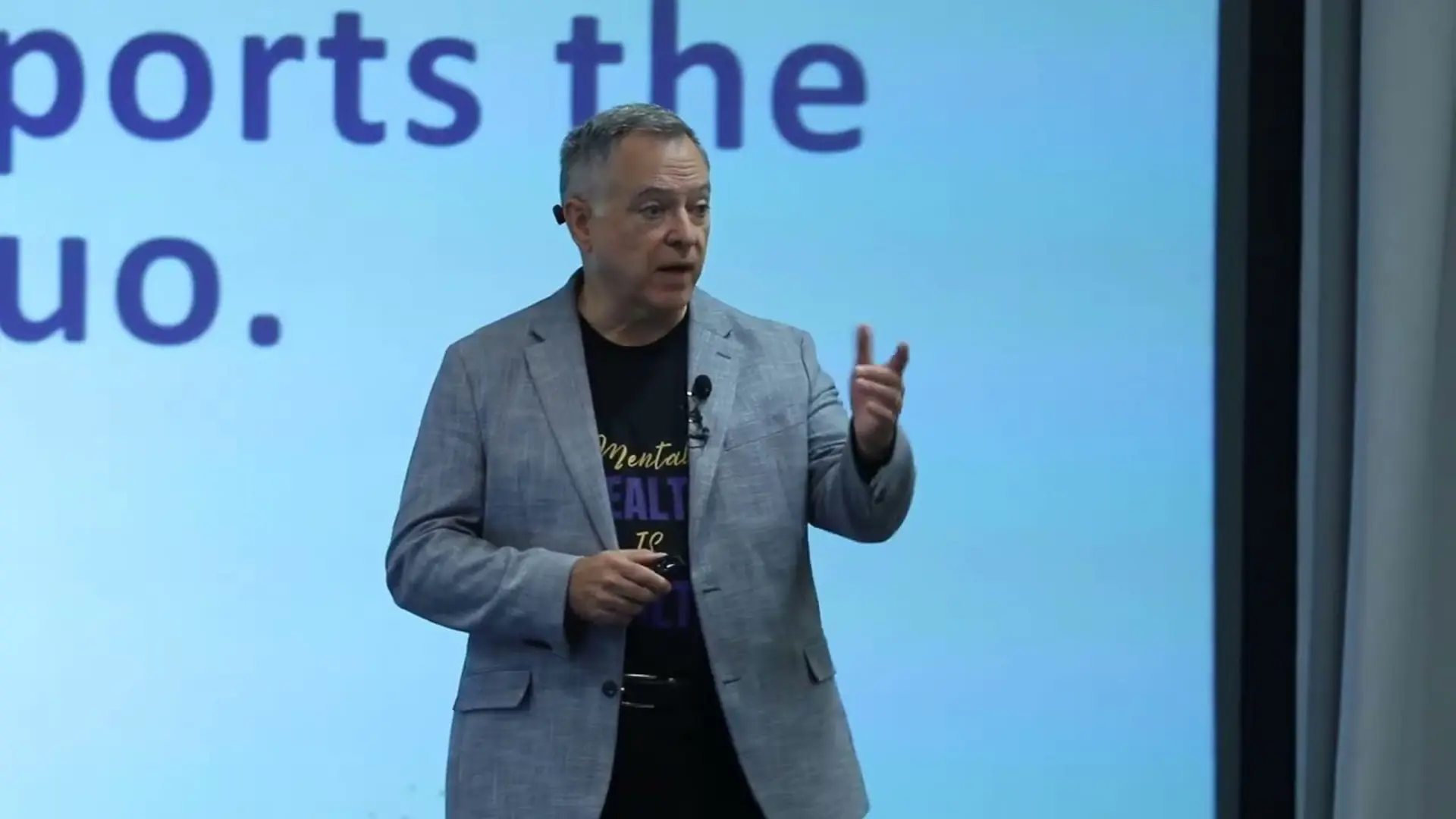
Today, David Otey brings this understanding to the stage as a speaker on mental health, empathy and communication. His presentations explore how genuine human connection can change the way we approach difficult conversations, support one another and build healthier workplace cultures.
Through a combination of storytelling, research, humor and audience participation, David makes serious subjects approachable while giving audiences practical insights they can apply in their professional and personal lives.
From Engineering to the Art of Communication
David Otey did not originally plan to become a professional speaker. With a background in physics, engineering and business, he began his career in broadcast engineering, working in technical and leadership roles within television broadcasting.
A defining moment came when he led an initiative to train more than 10,000 broadcast news professionals on a new technology. While implementing the technology was important, David discovered that helping people understand, learn and adapt was equally compelling.
That experience changed the direction of his career.
He moved from engineering the systems behind communication to studying, teaching and coaching the human skills that make communication effective.
Over the following decades, David worked with professionals and organizations across science, engineering, technology, project management, higher education, professional associations and business.
He also earned master's degrees in business administration and communication, strengthening the foundation of his work as an educator, communication specialist and professional speaker.
These experiences taught David how to translate complicated ideas into language that people can understand and remember. They also gave him an appreciation for the responsibility that comes with addressing an audience and earning its trust.
When Mental Health Became Personal
Despite years of helping others communicate, David Otey eventually faced a message he struggled to express himself: "I'm not okay."
Depression had gradually narrowed his world, but his belief in independence, competence and self-reliance made asking for help feel difficult. For someone accustomed to solving problems and supporting others, acknowledging his own struggles challenged his understanding of strength.
Eventually, David reached out for help. That decision prompted him to reconsider what it means to be strong and why capable, responsible people sometimes find it so difficult to admit they are struggling.
Mental health became even more personal when someone he loved attempted suicide.
These experiences raised questions that would transform his speaking career. Why do people wait until they reach a crisis before asking for support? What makes some conversations feel unsafe? And how can we create conditions where people feel comfortable sharing what they are experiencing?
David recognized that the challenges he had encountered personally were closely connected to the communication principles he had spent his career teaching.
Sometimes the hardest conversations are difficult because people are uncertain whether it is safe to speak.
That realization became central to his work. Today, David uses his lived experience to encourage a broader understanding of strength, vulnerability and the importance of reaching out.
Connection Before Content. Empathy Before Evidence.
At the heart of David Otey's keynotes is a simple but powerful principle: Connection Before Content. Empathy Before Evidence.
David believes that information, facts and research matter deeply. However, their impact often depends on whether people first feel understood and respected.
When individuals feel heard rather than judged, they may become more willing to share concerns, consider different perspectives and participate in conversations they would otherwise avoid.
This principle applies to mental health, workplace communication, leadership and everyday human relationships.
David brings together scientific research, personal experience and practical communication strategies to demonstrate how empathy can create opportunities for more meaningful dialogue.
His presentations help audiences explore how to:
-
Build trust through listening, empathy and genuine human connection.
-
Recognize why asking for help can feel difficult, particularly for people who value independence and self-reliance.
-
Approach sensitive conversations without judgment or unnecessary pressure.
-
Understand how workplace culture influences whether people speak up or remain silent.
-
Challenge assumptions about strength and develop greater openness toward seeking support.
-
Use practical language and thoughtful questions to support more constructive conversations.
Rather than presenting empathy as an abstract ideal, David makes it understandable and applicable to everyday situations.
His goal is to help people recognize that meaningful conversations often begin with a willingness to listen.
Mental Health Keynotes That Engage and Inspire
Mental health can be a challenging subject for any audience. David Otey understands that addressing it effectively requires sensitivity, credibility and an ability to create genuine engagement.
His speaking style combines the clarity of an experienced teacher with the warmth and accessibility of a storyteller.
Audiences laugh, reflect and participate. At other moments, a room becomes quiet as a personal story or unexpected insight encourages people to consider their own experiences differently.
David uses humor thoughtfully, without minimizing the seriousness of depression, suicide or other mental health challenges. He shares personal experiences to help audiences recognize familiar emotions, question assumptions and better understand the struggles that may remain hidden in everyday life.
Research provides context for his stories, while practical ideas ensure that audiences leave with something they can use.
For David, a successful keynote goes beyond creating an emotional response in the moment. He wants participants to remember the message, find useful words for difficult situations and feel more prepared to recognize when someone, including themselves, might need support.
For meeting planners and organizational leaders, this balance is especially valuable.
David creates presentations that are candid without becoming clinical, personal without making audiences unnecessarily uncomfortable and hopeful without oversimplifying complex issues.
The result is an engaging and thoughtful experience that encourages reflection while leaving people with a greater sense of possibility.
Book David Otey for Your Event
Every workplace includes people facing challenges their colleagues may never see. Organizational culture can influence whether those individuals feel comfortable speaking up, asking for help or acknowledging that something is wrong.
David Otey helps organizations examine the role communication, empathy and human connection play in creating environments where important conversations can happen.
His decades of experience in professional communication, education and speaking allow him to connect with audiences from different industries and professional backgrounds. Whether addressing leaders, technical specialists, project managers, educators or broader workplace audiences, he focuses on making complex and sensitive topics relevant to the people in the room.
David understands that a mental health keynote carries a particular responsibility. The message must be credible, the delivery thoughtful and the experience respectful of the different perspectives and personal experiences within the audience.
His approach brings together professional expertise and lived experience to encourage conversations that might otherwise remain unspoken.
By challenging narrow definitions of strength and emphasizing the importance of listening, David helps audiences consider how small changes in communication can make it easier for people to connect and seek support.
Book David Otey for your next conference, corporate event or organizational gathering and give your audience an opportunity to explore mental health, empathy and communication through a keynote that is engaging, practical and deeply human.
When the conversation matters, David Otey helps people find a way to begin.