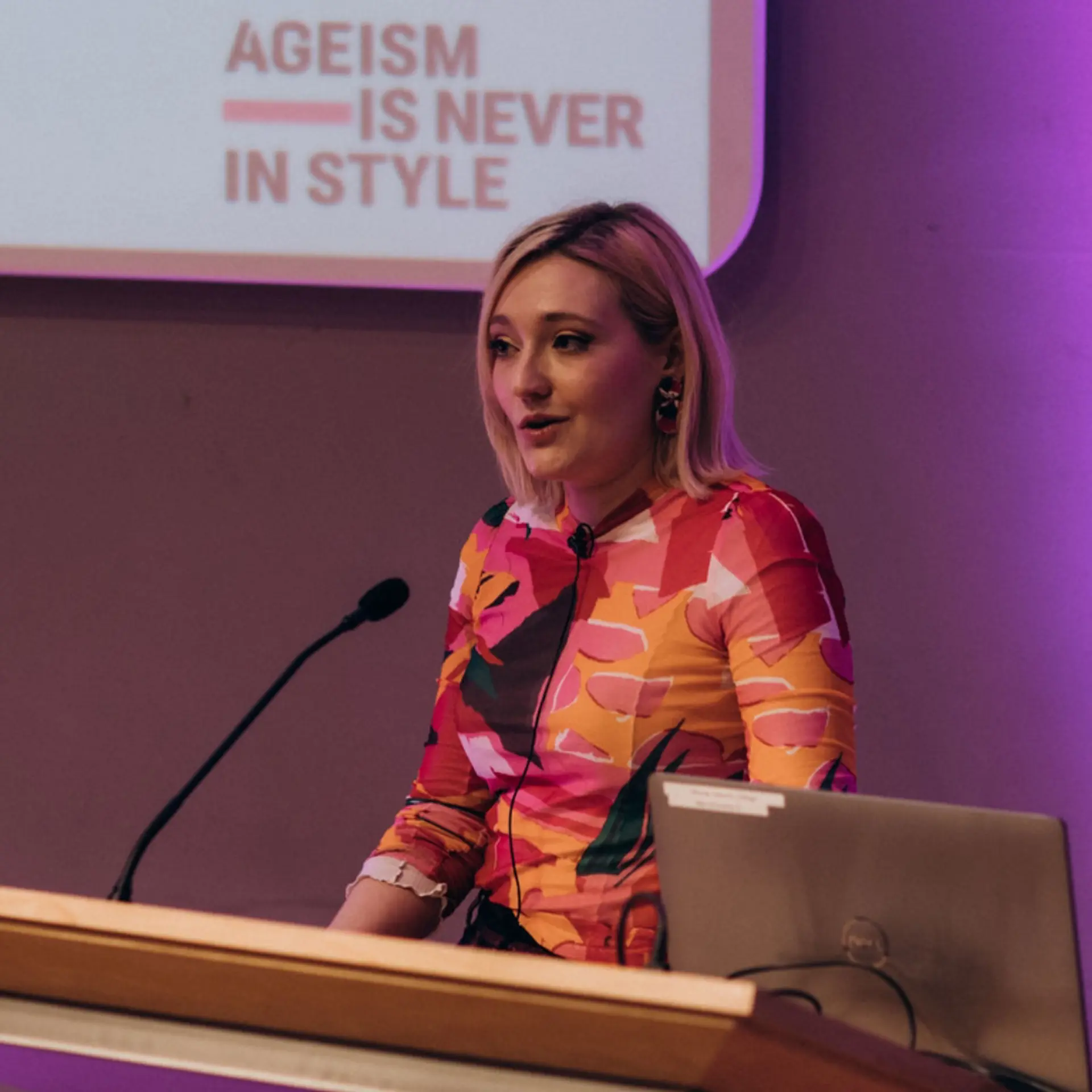
Ageism refers to stereotypes, prejudice, or discrimination against individuals based on their age. It can affect both younger and older employees, influencing hiring decisions, career progression, and workplace culture. In today’s evolving labor market, where people work longer and multiple generations collaborate, addressing ageism is more important than ever. Organizations that actively combat age bias benefit from stronger innovation, improved employee engagement, and better decision-making by combining diverse perspectives and experiences.
Which topics do our keynotes on Ageism cover?
Our keynotes on ageism explore how generational diversity impacts organizations and how to turn potential challenges into strengths. Below are some of the key themes:
Age bias in workplace culture
Ageism often appears in subtle ways through assumptions about adaptability, ambition, competence, or relevance. These biases can affect recruitment, promotion, collaboration, and everyday communication. A keynote on this topic helps organizations identify age-based stereotypes and build a culture where employees are assessed by their contributions rather than their age. Jacynth Bassett explores how age bias shapes workplace culture and how organizations can create more inclusive environments across generations.
Challenging stereotypes about ageing
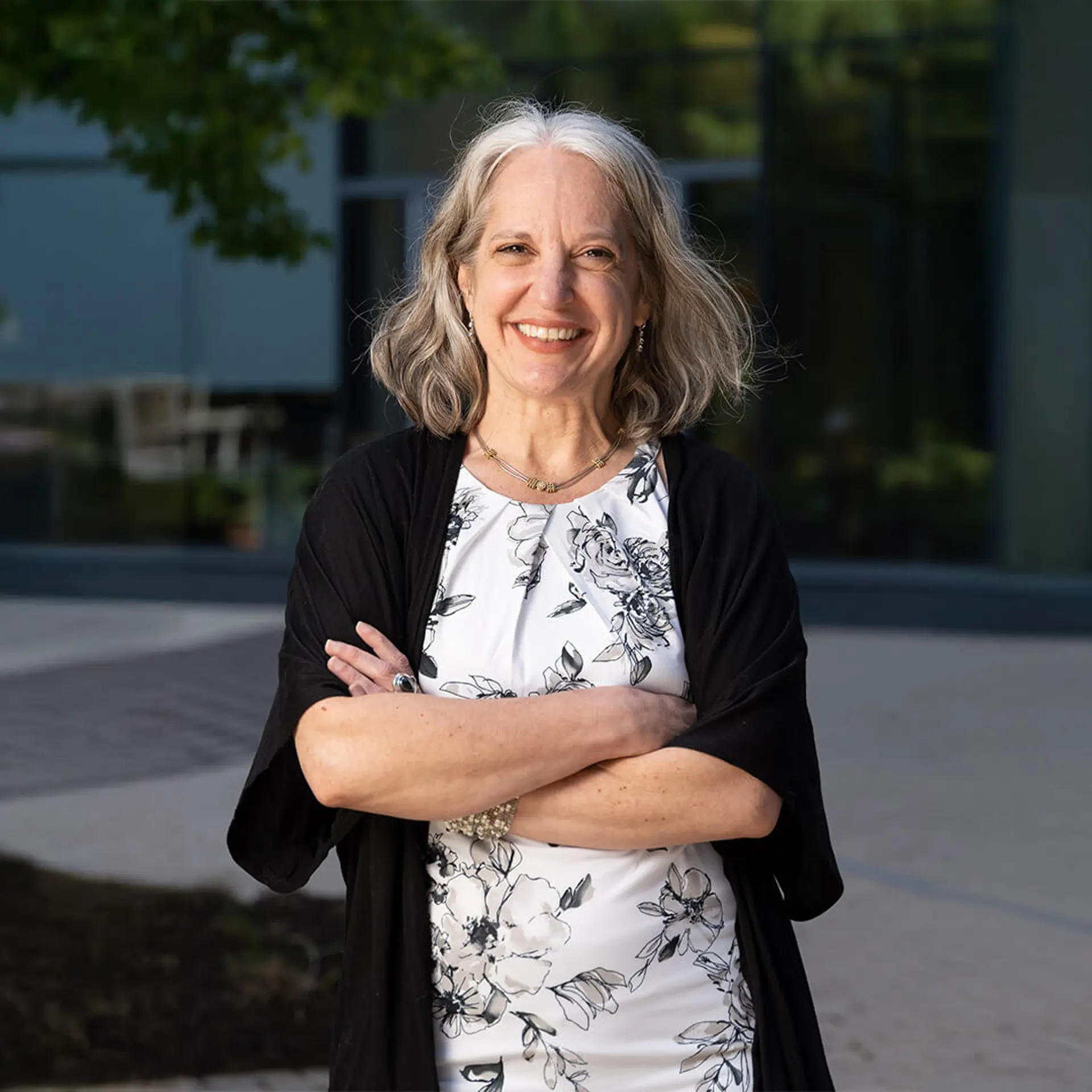
Many ideas about ageing are shaped by outdated beliefs rather than reality. This can influence how individuals view themselves and how organizations approach senior talent, development, and opportunity. Keynotes on this topic examine how age-related assumptions limit both people and performance, while offering a more nuanced understanding of ageing in modern society. Tracey Gendron addresses how organizations can rethink ageing and move beyond harmful stereotypes to support a more inclusive culture.
Resilience, confidence, and being underestimated
Ageism can also affect how people are perceived in relation to potential, authority, and resilience. Younger professionals may struggle to be taken seriously, while older employees may be overlooked despite deep experience. This theme focuses on overcoming limiting perceptions and creating a culture where credibility is not tied to age. Grace Rose Gwynne brings perspectives that connect resilience, motivation, and the ability to challenge expectations in demanding environments.
Longevity and the future of ageing
As people live longer and remain active later in life, organizations need to rethink what ageing means in practice. Longer careers, shifting life stages, and new expectations around health and work are changing how we view age in society and in business. Keynotes on this topic explore how longevity is reshaping workforce planning, inclusion, and the broader conversation around ageing. Andrew Steele examines how developments in longevity science are transforming our understanding of ageing and its future implications.
Cognitive diversity, performance, and lifelong development
Age-inclusive organizations benefit from recognizing that learning, innovation, and strategic thinking are not limited to one life stage. This theme looks at how different forms of experience and cognitive perspective can strengthen teams and support better decision-making. It also addresses the importance of continued development and adaptability throughout a career. Sarah Baldeo offers perspectives on brain function, innovation, and performance that support a broader view of talent across age groups.
Benefits of a keynote on Ageism
A keynote on ageism helps organizations build stronger, more inclusive cultures where employees of all ages can thrive. You gain tools to identify and reduce bias, improve collaboration across generations, and retain valuable talent. By embracing age diversity, your organization can enhance innovation, decision-making, and overall performance. Ultimately, addressing ageism is not just about fairness. It is a strategic advantage in a competitive and rapidly changing world.
Other relevant keynotes within Diversity and Inclusion
If you are interested in ageism, you may also benefit from keynotes on diversity, equity and inclusion, unconscious bias, ethical leadership, inclusive leadership, and workplace culture. These related areas can strengthen your organization’s ability to adapt, collaborate across differences, and build a more inclusive culture. Book a conversation with us to explore related keynote options and find the perfect match for your needs.
How to Book a Speaker
Booking a speaker with A-Speakers is a simple and tailored process that ensures your event receives the perfect angle on the topic. Start by sharing your needs with us, such as event type, preferred speaker, and budget, via email or phone. We then match your requirements with the competencies of our experts and present the ideal candidate for your audience. Once the details are agreed upon, we draw up a contract and collaborate on the further planning to ensure a successful execution. After the keynote has taken place, we of course follow up and evaluate your satisfaction. Book your speaker today.
- Tell us your wishes and needs: Give us a short description of your event, and feel free to include your wishes for a topic or specific speaker, so we can advise you in the best way possible.
- Get a tailored recommendation: Our skilled speaker consultants base their suggestions on your needs and help you choose the speaker that best matches your criteria and budget.
- Formalize the agreement: Once we've found the perfect speaker for your event, we prepare a contract that both parties sign.
- Planning and execution: We support you all the way and coordinate the details together to make the event a successful experience.
- Follow-up and evaluation: After the keynote, we naturally follow up to see if the event lived up to expectations.
Contact us today to find the speaker that matches your needs and vision. Book a speaker now and take the next step toward a stronger future.