Intersectionality is a framework that examines how multiple aspects of identity overlap and influence a person's experiences, opportunities, and challenges. Originally developed to better understand the complexity of discrimination and inequality, the concept is now widely used in discussions about diversity, equity, inclusion, leadership, education, and social change.
For organizations, intersectionality provides a more complete understanding of employees, customers, and stakeholders. Rather than viewing people through a single lens, it recognizes that identities and experiences are interconnected. This approach helps organizations build more inclusive cultures, improve decision-making, and create environments where individuals feel valued and understood.
Which topics do our keynotes on Intersectionality cover?
Intersectionality touches many aspects of workplace culture, leadership, diversity, and social inclusion. Our speakers explore how overlapping identities influence individual experiences and how organizations can create environments where everyone has the opportunity to thrive. Below are some of the topics explored through one of our keynotes:
Inclusive leadership and organizational change
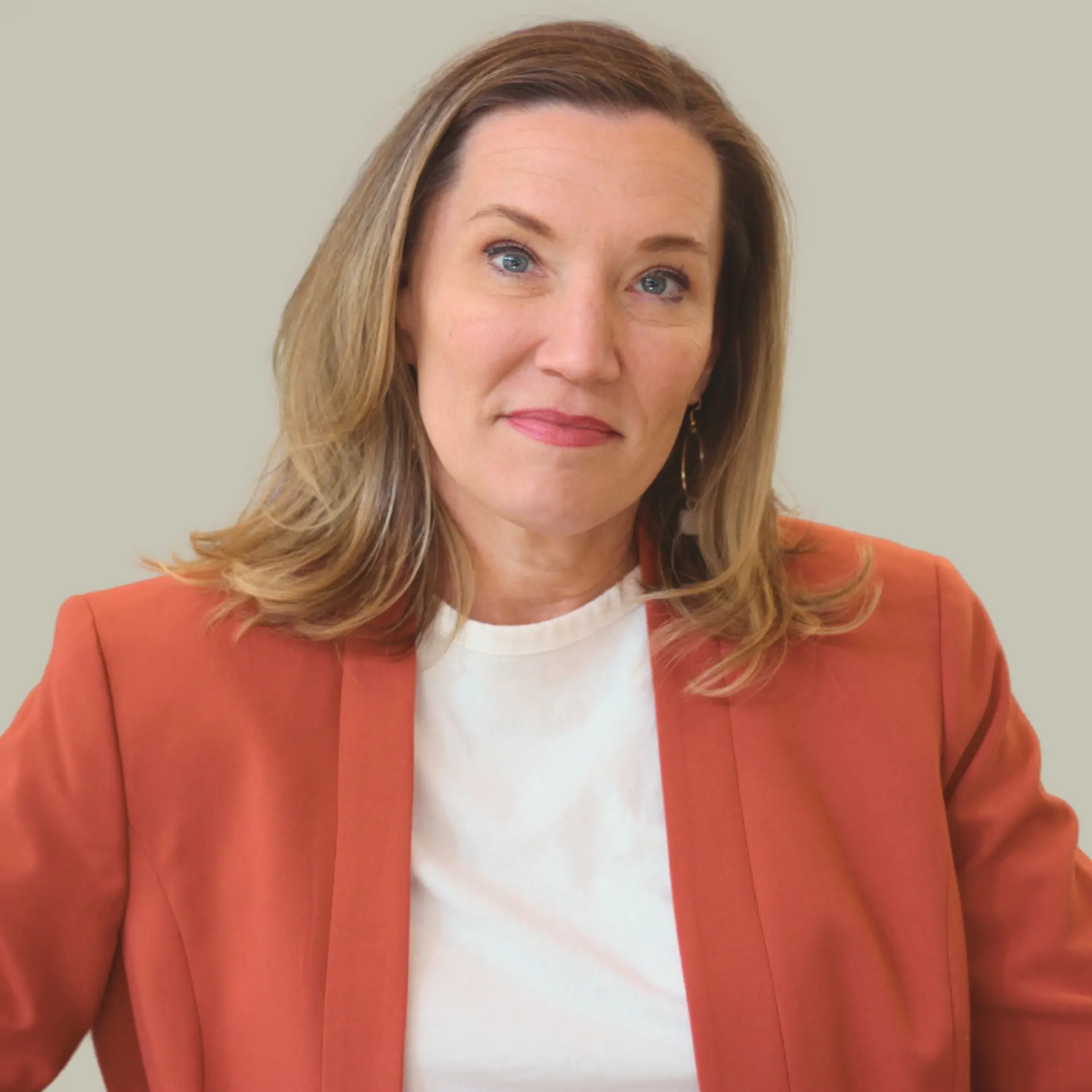
Building inclusive organizations requires leaders to understand the diverse experiences that exist within their teams. Effective leadership goes beyond representation and focuses on creating cultures where people feel seen, heard, and valued. Dr. Kryss Shane helps organizations translate inclusion goals into practical action and sustainable cultural change. This subtopic provides leaders with strategies for creating workplaces that recognize and support different lived experiences.
Gender, identity, and healthcare equity
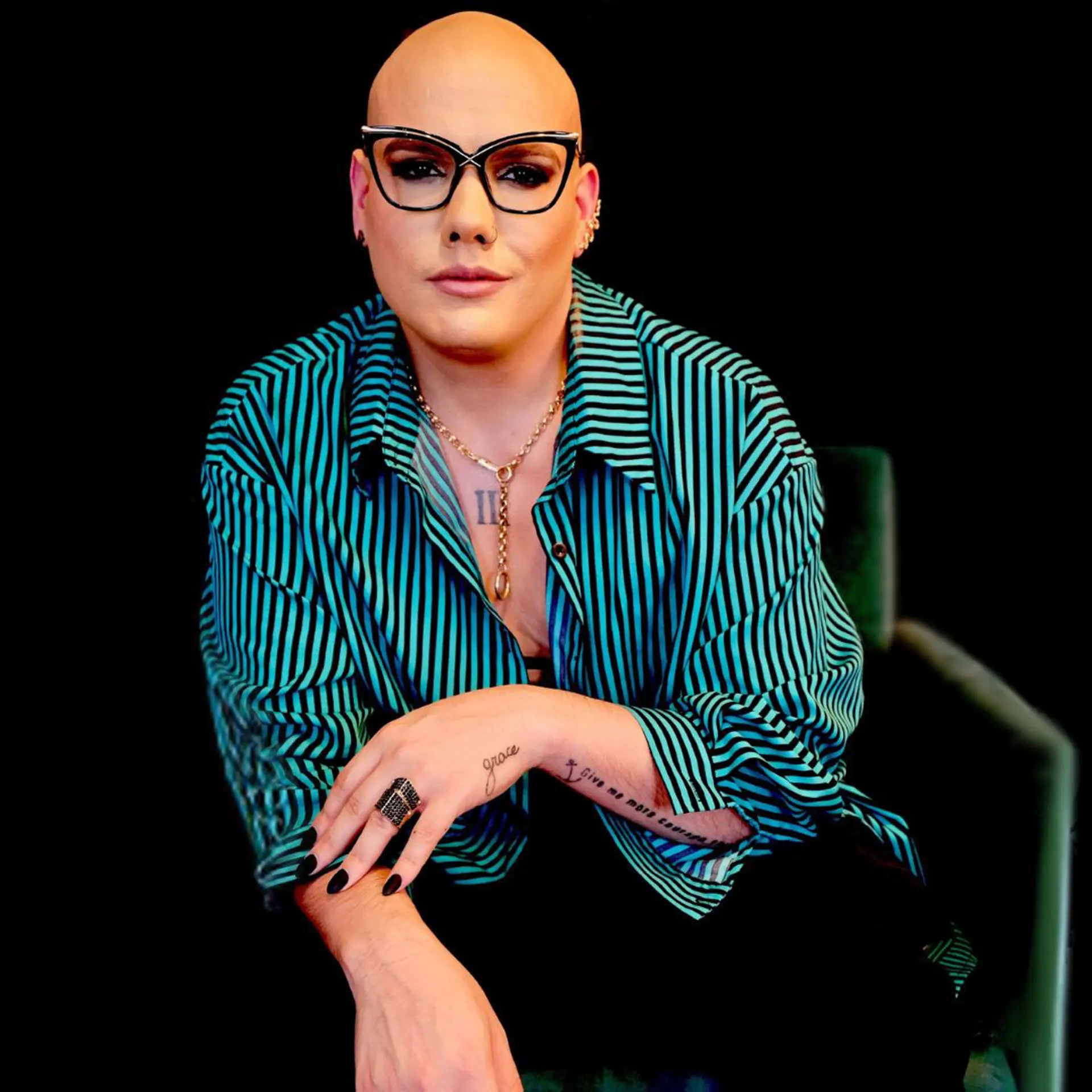
Intersectionality plays a vital role in understanding how identity influences access, representation, and wellbeing. Organizations increasingly recognize the importance of creating environments that support individuals across different backgrounds and experiences. Alicia Roth Weigel brings valuable perspectives on intersex advocacy, healthcare equity, and embodied autonomy. This subtopic helps audiences better understand the importance of inclusive systems and equitable opportunities.
Workplace equity and belonging
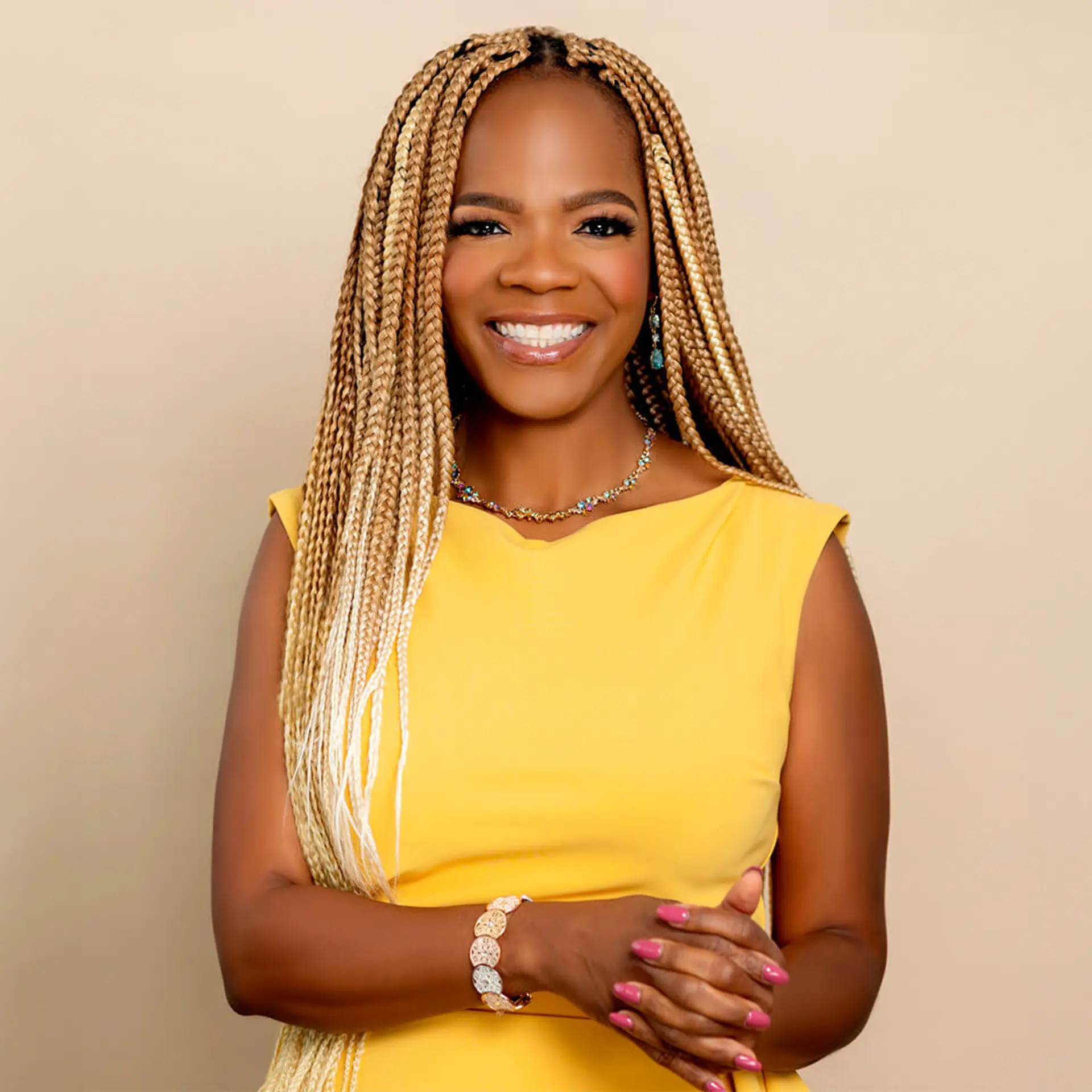
Creating equitable workplaces requires more than diversity initiatives alone. Organizations must understand how different identities interact and influence career progression, workplace experiences, and access to opportunities. Joy Wiggins explores practical approaches to equity, inclusion, and cultural transformation within organizations. This subtopic helps audiences build stronger cultures of belonging and engagement.
Disability, representation, and authentic leadership
True inclusion requires recognizing the experiences of people whose identities may intersect across disability, race, gender, and other dimensions. Organizations that embrace diverse perspectives are often better equipped to innovate and connect with wider audiences. Mark Travis Rivera shares insights on representation, equity, and authentic leadership through the power of storytelling. This subtopic highlights how inclusive cultures create opportunities for everyone to contribute and succeed.
Benefits of a keynote on Intersectionality
A keynote on Intersectionality helps organizations develop a deeper understanding of diversity, equity, and inclusion by recognizing the complexity of human experiences. Audiences gain practical insights into how overlapping identities shape workplace culture, leadership, communication, and employee engagement.
These keynotes help leaders and teams create more inclusive environments, improve decision-making, strengthen belonging, and support equitable opportunities. By understanding intersectionality, organizations can build stronger cultures that better reflect and serve the diverse communities in which they operate.
Other relevant keynotes within Intersectionality
Relevant related topics include Diversity, Equity, and Inclusion, Unconscious Bias, LGBTQIA+, Neurodiversity, Belongingness, Cultural Intelligence, and Emotional Intelligence. These topics complement intersectionality by providing additional perspectives on inclusion, workplace culture, identity, and organizational development. Together, they help organizations build more equitable, inclusive, and future-ready environments.
Contact us today to find the keynote that best matches your audience and objectives.
How to Book a Speaker
Booking a speaker with A-Speakers is a simple and tailored process that ensures your event receives the perfect angle on the topic. Start by sharing your needs with us, such as event type, preferred speaker, and budget, via email or phone. We then match your requirements with the competencies of our experts and present the ideal candidate for your audience. Once the details are agreed upon, we draw up a contract and collaborate on the further planning to ensure a successful execution. After the keynote has taken place, we of course follow up and evaluate your satisfaction. Book your speaker today.
- Tell us your wishes and needs: Give us a short description of your event, and feel free to include your wishes for a topic or specific speaker, so we can advise you in the best way possible.
- Get a tailored recommendation: Our skilled speaker consultants base their suggestions on your needs and help you choose the speaker that best matches your criteria and budget.
- Formalize the agreement: Once we've found the perfect speaker for your event, we prepare a contract that both parties sign.
- Planning and execution: We support you all the way and coordinate the details together to make the event a successful experience.
- Follow-up and evaluation: After the keynote, we naturally follow up to see if the event lived up to expectations.
Contact us today to find the speaker that matches your needs and vision. Book a speaker now and take the next step toward a stronger future.