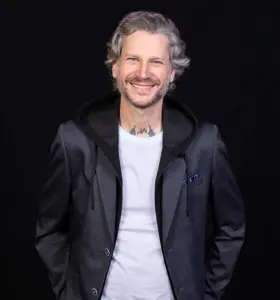
From overdose to recovery
Adam Sud’s work begins with a story that gives his research and ideas an unmistakably human foundation.
In 2012, Adam’s life was coming apart. He weighed nearly 350 pounds, was caught in multiple addictions, was managing several chronic diseases and was steadily losing ground in his mental health. Then came the night that nearly ended everything. Alone in his apartment, Adam survived an overdose.
That experience became the turning point.
With his parents behind him, Adam made a radical commitment to changing his nutrition and lifestyle. What followed was a recovery that defied the expectations around him. In a single year, he lost 175 pounds, reversed his chronic conditions and came off every medication. What his doctors had called impossible became the foundation for an entirely different life.
Adam doesn’t present this transformation as a simple story of willpower. Instead, he uses it to explore a much more useful question: What happens when we create the conditions that allow people to recover, adapt and change?
That question has shaped his work ever since.
Rethinking addiction and behavior change
Today, Adam Sud is a leading voice in addiction recovery, behavior change and nutritional science. As a nutrition and addiction behavior researcher, lecturer and advisor, he works at the intersection of addiction recovery, mental health, metabolic health, evolutionary psychology and environmental design.
His approach challenges the shame and confusion that so often surround addiction and unsuccessful attempts at behavior change. Rather than reducing recovery to discipline or individual willpower, Adam explores the biological, psychological and environmental factors that influence human behavior.
For audiences, this creates a perspective that is both compassionate and practical. Adam makes complex ideas accessible without losing the science behind them. He shows how environments, nutrition, habits and behavioral systems can influence health and recovery, and how understanding these forces can help people regain a sense of agency.
Whether he is speaking to executives, clinicians, recovery communities or health-focused organizations, Adam gives audiences frameworks they can begin applying immediately.
Research changing the conversation
Adam Sud brings more than lived experience to the stage. His work as a researcher has contributed to a growing conversation about the role nutrition can play in addiction recovery.
He spearheaded the first research study of its kind examining the effects of nutrition on early addiction recovery outcomes. The work is helping reshape how the field thinks about treatment, health and the support people receive during the recovery process.
This combination of personal experience and scientific inquiry makes Adam a distinctive voice on the subject. He understands recovery from the inside, while his research allows him to examine the mechanisms and conditions that may help people create lasting change.
His work asks audiences to reconsider familiar assumptions about addiction, mental health and metabolic health. What if recovery is influenced by far more than motivation? What if the environment around a person can either support or undermine change? And what becomes possible when nutrition, behavior and health are considered as interconnected parts of the same system?
These are complex questions, but Adam has a talent for turning them into ideas audiences can understand and act on.
Talks that create practical change
Book Adam Sud for your event when you want a speaker who can connect an extraordinary personal story with practical, evidence-informed insight.
Adam’s talks are designed to do more than inspire in the moment. He wants audiences to leave with a different understanding of how change works and a clearer sense of what they can do with that understanding.
His key areas of expertise include:
Addiction recovery and the conditions that support sustainable change
Behavior change beyond shame, blame and willpower
Nutrition and its relationship with recovery and wellbeing
Mental health and metabolic health
Evolutionary psychology and human behavior
Environmental design as a tool for supporting healthier choices
Resilience, agency and the capacity for meaningful transformation
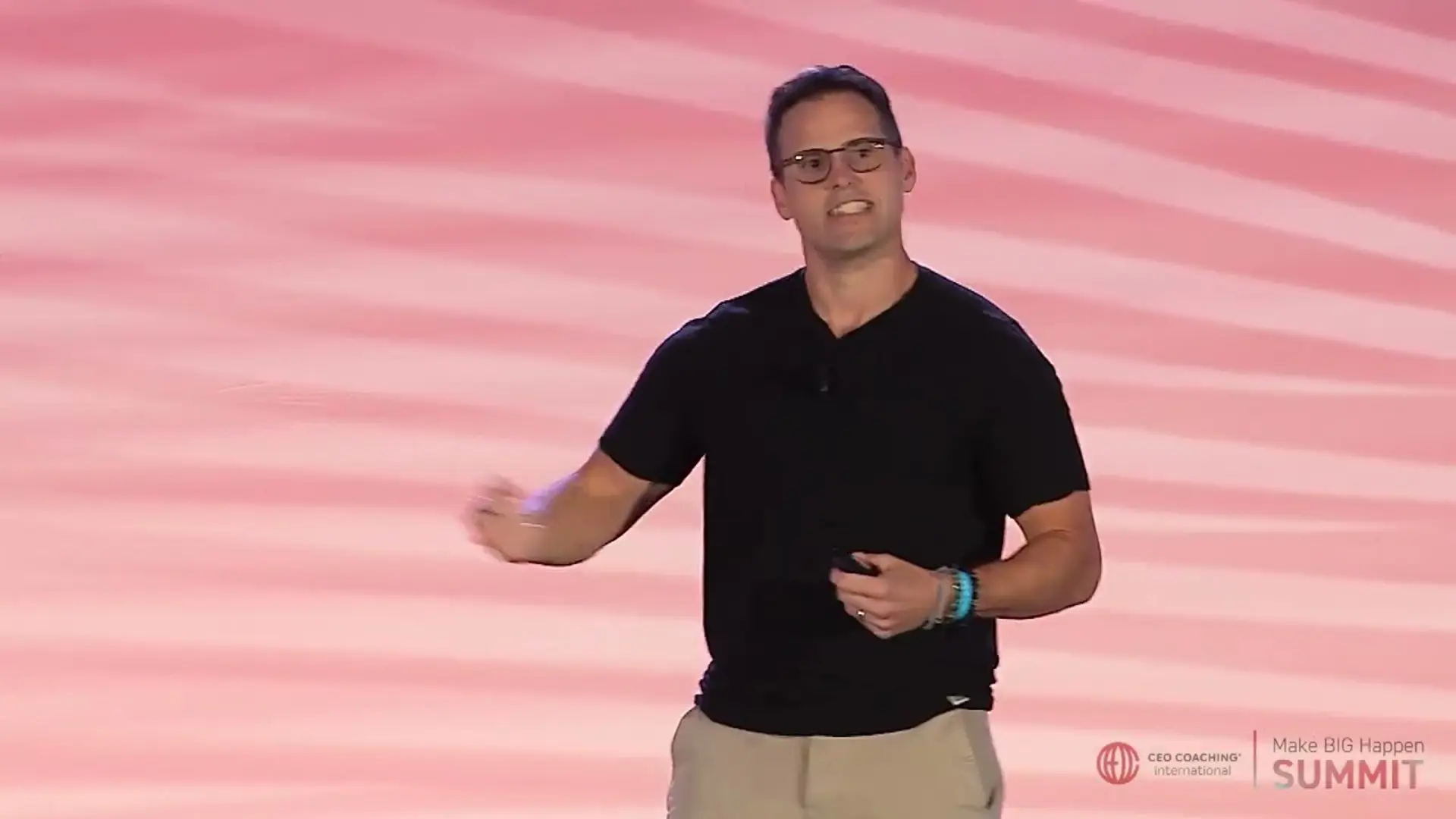
Adam has delivered talks at Google, the Matthew Perry Foundation Summit for Addiction, the Whole Foods Market Tribal Gathering, Aerial Recovery’s Heal the Heroes and CEO Coaching International: Make Big Happen Summit.
Across these different audiences, his strength lies in making difficult subjects relatable. The science becomes understandable, the personal story creates connection, and the audience is given a framework for seeing behavior and recovery through a new lens.
Book Adam Sud for your event
Adam Sud speaks from a place few people can: at the intersection of research, lived experience and radical personal transformation.
His story has been featured in Men’s Health, Forbes and Psychology Today, but the heart of his work goes beyond his own recovery. Adam uses what he has lived and learned to challenge audiences to reconsider what they believe about human resilience.
For organizations working with health, wellbeing, leadership, recovery or behavior change, his talks can open a valuable conversation about the systems surrounding human behavior. For recovery communities and clinicians, he brings a perspective shaped by both firsthand experience and research. For executives and broader corporate audiences, his message offers a compelling examination of resilience, environment, agency and sustainable change.
Adam doesn’t simply tell audiences that transformation is possible. His own life provides the starting point, and the evidence behind his work provides the framework.
From surviving an overdose and facing multiple addictions, chronic diseases and serious mental health challenges to losing 175 pounds, reversing his chronic conditions and becoming a researcher and speaker, Adam Sud’s journey challenges assumptions about the limits of recovery.
When you book Adam Sud for your event, audiences are invited to move beyond shame, confusion and willpower-based thinking. They leave with a deeper understanding of the forces that shape behavior, practical ideas for creating conditions that support change, and a powerful reason to trust in the human capacity to recover, adapt and build something different.
![Adam Sud - <p data-pm-slice="1 1 []">Adam Sud is a speaker and researcher who combines lived experience with science to rethink addiction recovery, health and lasting behavior change.</p>](/media/0jubd5vu/adam-sud-hero-13.jpg?width=1920&height=3413&format=webp)
![Adam Sud - <p data-pm-slice="1 1 []">Adam Sud is a speaker and researcher who combines lived experience with science to rethink addiction recovery, health and lasting behavior change.</p>](/media/pyadrnlw/adam-sud-bio-4.jpg?width=1920&height=1080&format=webp)