Go to main content Skip and go to the footer
Marcey Rader - <div class="gmail_default">Marcey Rader helps leaders and teams cut the busywork, run fewer, better meetings, and protect their focus and energy to do their best work without running themselves into the ground</div>

Marcey Rader

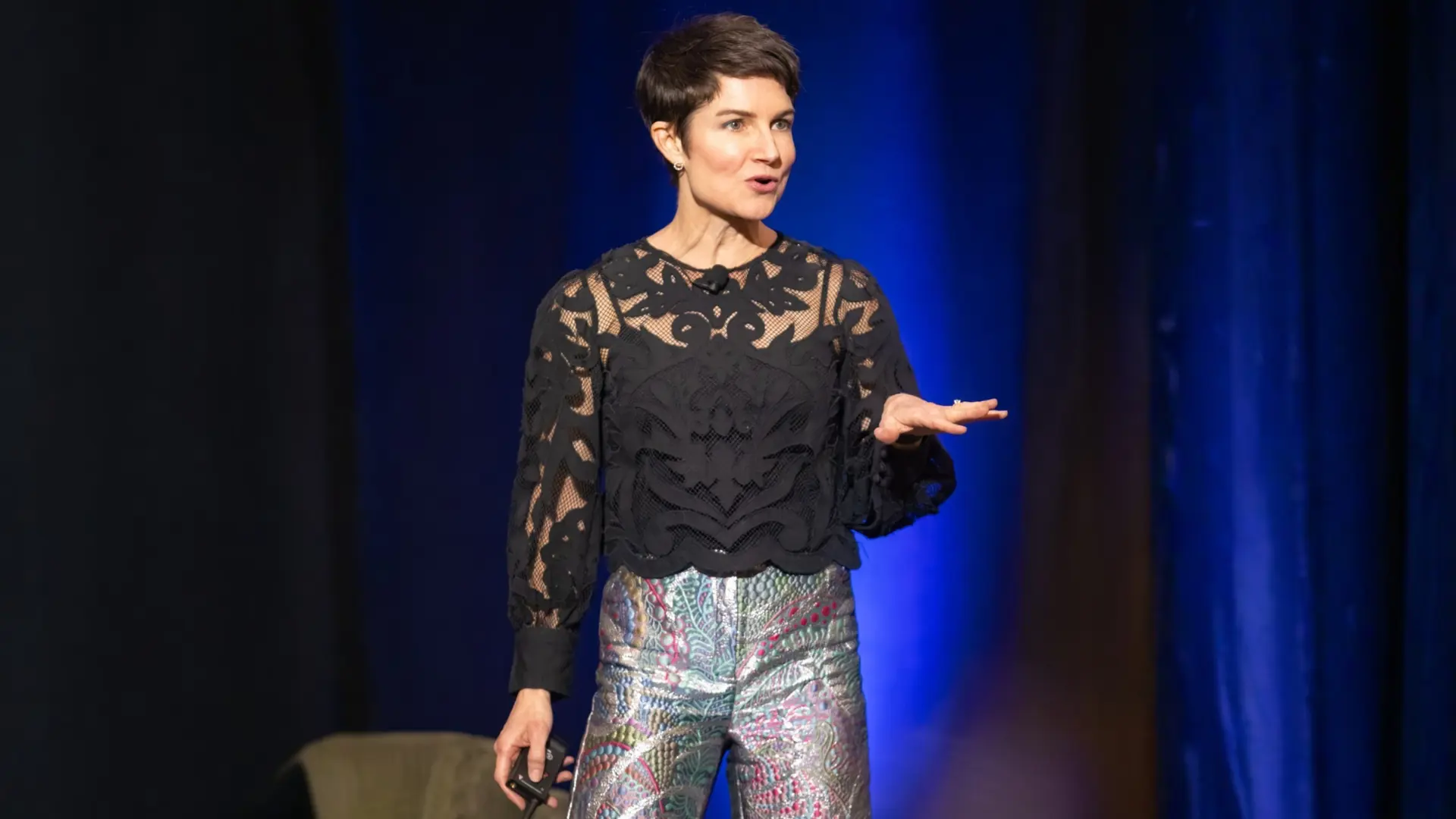
Marcey Rader helps leaders and teams cut the busywork, run fewer, better meetings, and protect their focus and energy to do their best work without running themselves into the ground
Request price and availability Request price and availability
USA

5.00 of 5

Top rated!

Non-binding request for Marcey Rader

5 of 5

The presentation was the talk of our meeting! Our team instantly worked to implement the strategies and are looking at how they work differently and more efficiently. Marcey made a lasting impact on our group.

Scott Santoro

Vice President, Delta Air Lines

Read all reviews
Book Marcey

Non-binding request for Marcey Rader

Why book Marcey Rader for your next event

  • Learn practical strategies for relentless prioritization that help leaders and teams focus on the work that matters most and create lasting results.
  • Discover proven methods to improve meeting effectiveness, manage email and attention, and build healthier, more productive work habits.
  • Gain tools backed by real leadership experience and immediately applicable frameworks that teams can implement the same day.

Non-binding request for Marcey Rader

Marcey Rader helps leaders and teams do the right things first through relentless prioritization

Marcey Rader helps leaders and teams focus on the right work and do it sustainably. As a Certified Speaking Professional®, high-performance consultant, and five-time author, she helps organizations build healthy, high-output cultures where intentional focus replaces constant overwhelm. As founder of RaderCo, Marcey works with companies that want performance without burnout. Her approach centers on relentless prioritization, smarter ways of working, and sustainable success that protects both results and people.


Book Marcey Rader for your event

Marcey Rader is a Certified Speaking Professional®, five-time author, TEDx presenter, Digital Wellness Educator®, and founder of RaderCo. She helps organizations build what she calls Health-Powered Performance, creating leaders and teams who consistently focus on the work that matters most while maintaining the energy and capacity to perform at a high level over time.

Recognized as one of only 700 Certified Speaking Professionals® worldwide, Marcey has delivered training and keynote presentations across five continents. Her clients include organizations such as Delta Air Lines, Vertex Pharmaceuticals, and the U.S. Treasury, and she brings extensive experience working with professionals in pharmaceutical, biotech, accounting, and finance industries.

In 2024, CPA Academy named Marcey one of its Top 12 Presenters among more than 1,750 speakers. She has also earned recognition as an eSpeakers Virtual Master Presenter® and is a multi-award-winning speaker whose engaging delivery combines research, practical tools, and relatable stories.


Why organizations book Marcey Rader

Today's workplaces face constant distractions, competing priorities, and increasing demands on employees' attention. Marcey's presentations address these challenges with practical frameworks that help people simplify work instead of simply working harder.

Her keynote programs explore relentless prioritization, Health-Powered Performance, leadership effectiveness, meeting effectiveness, email and attention management, sustainable workplace habits, productivity without burnout, and building systems that support long-term success.

Rather than offering motivation that fades after the conference, Marcey equips audiences with practical tools they can begin using immediately. Participants leave with strategies that improve decision-making, strengthen focus, reduce unnecessary work, and create healthier ways of working long after the event has ended.


From clinical research to workplace performance

Before founding RaderCo, Marcey built her career in clinical research leadership. During those years, she experienced firsthand the demands of high-pressure environments and witnessed the health consequences of workplace cultures that rewarded constant busyness over meaningful results.

Those experiences became the foundation of her work today.

Marcey believes that lasting performance isn't created by asking people to work longer hours or produce more through greater effort. Instead, sustainable success comes from designing better systems, protecting attention, simplifying work, and helping people make smarter decisions about where to invest their time and energy.

This practical philosophy resonates with leaders who want to improve both organizational performance and employee wellbeing without sacrificing one for the other.


Practical strategies that create lasting change

Marcey's presentations are highly actionable and built around immediate implementation. Whether speaking to executives, managers, or individual contributors, she delivers realistic strategies that fit the demands of modern organizations.

Her audiences learn how to:

  • Prioritize what creates the greatest impact
  • Reduce unnecessary meetings and improve collaboration
  • Manage email and digital distractions more effectively
  • Protect focus in demanding work environments
  • Build sustainable habits that survive busy seasons
  • Increase productivity without increasing stress
  • Create healthier ways of working across teams

Every keynote is designed to move beyond inspiration by giving attendees tools they can put into practice the moment they return to work.


Health-Powered Performance that lasts

Marcey's work is built around the belief that organizations perform at their best when people have both clarity and capacity. By helping leaders and teams strengthen focus, manage attention, and create sustainable habits, she enables organizations to perform consistently, even during demanding periods and major change.

She is also the host of the Health-Powered Productivityâ„¢ podcast, ranked among Apple's Top 100 Business Podcasts and recognized by Feedspot as one of the Top 50 Productivity Podcasts. Through her books, speaking engagements, and leadership programs, she continues to help organizations replace overwhelm with practical systems that support better decisions, stronger performance, and healthier workplaces.


Book Marcey Rader for your event

Event planners turn to Marcey Rader when their audiences are overwhelmed, struggling to prioritize, or experiencing change fatigue. Her engaging style, practical expertise, and evidence-based strategies create sessions that are memorable because they lead to measurable action.

Whether addressing leaders, managers, or entire organizations, Marcey delivers presentations that help people do the right things first, protect their energy, and build habits that sustain high performance long after the applause ends.

Marcey Rader - <div class="gmail_default">Marcey Rader helps leaders and teams cut the busywork, run fewer, better meetings, and protect their focus and energy to do their best work without running themselves into the ground</div>

Customer Reviews

5 of 5

The presentation was the talk of our meeting! Our team instantly worked to implement the strategies and are looking at how they work differently and more efficiently. Marcey made a lasting impact on our group.

5 of 5

Marcey will bring a unique energy to your organization, empowering everyone who attends! She clearly demonstrated her expertise in focus and attention and assured the message got across! Would hire her 10x over again!!

5 of 5

Thank you so much for speaking at the FPDA/ISD Industry Summit! Your presentations Elevate Your Focus and Reclaim Your Workday were both a huge hit! The feedback from our group has been fantastic. Participants especially loved the actionable tips you shared for setting boundaries during the workday. Your energy, engaging delivery, and approachable style kept everyone focused from start to finish. You brought such inspiration and practicality to each presentation. We would be happy to welcome you back for future events, whether virtually or in person, and we can’t wait to work with you again!

5 of 5

Marcey Rader is a dynamic speaker with a data-driven approach and simple recommendations for everyone. Marcey has influenced individuals to modify behaviors, resulting in improved self-care and increased performance.

5 of 5

Marcey Rader is a dream presenter and rock star on the stage. Planning events with new content and presenters can be risky. Marcey is the person you book to balance that risk. She is consistently excellent.

5 of 5

Marcey’s Decide, Design, Deliver talk felt like it was written just for me. Within the first minute, I was hooked. I’d been overhauling my calendar with block scheduling and batching, and her message was the affirmation I needed to strengthen my boundaries and stop people-pleasing. Awesome job.

Rated 5.00/5 based on 6 customer reviews

Keynotes

Keynote by Marcey Rader:

The Right Things First: Why the Smartest People in the Room Still Choose Wrong

Ask any leader on your team what matters most and they'll answer without blinking. That was never the gap.

The gap shows up in the meeting that runs long anyway. In the request nobody had the nerve to say no to. In the project everyone keeps funding because stopping it feels harder than continuing it. Your team isn't confused about priorities. They're losing the moment when priorities are actually chosen.

The Right Things First gives leaders one idea and one guardrail, a rule you set for yourself before you need it. Nobody hands it to you; you build it live in the room. The idea: relentless prioritization beats endless optimization. It's why that project nobody's willing to kill keeps eating the calendar anyway. The guardrail: leaders leave having named their own, specific to whatever's actually costing them right now, not a generic rule everyone gets the same version of. One idea, delivered hard enough that a room sees it in their own choices before the keynote ends.

Request a quote: Marcey Rader The Right Things First: Why the Smartest People in the Room Still Choose Wrong

Keynote by Marcey Rader:

Reclaim Your Workday: Build the System, Then Prove It Holds

How long could your team run before things fell apart? A day? A week? A month? Most people don't actually know the answer.

Most teams run fine until someone's out. A vacation, a leave, a two-week notice, and the cracks show up fast. Coverage nobody planned for. Knowledge that lived in one person's head and left with them. A system that was never actually a system, just a group of people improvising in sync.

Reclaim Your Workday builds the real thing first: a repeatable way to choose what gets done, using tools built for it (Task Batching, Theme Days, the Altitude Method). If your team has already moved past treating coverage as an afterthought, this goes further: it stress-tests the system you've built against the moment it's actually tested.

Attendees leave with a plan that protects the organization when someone's out: real coverage, a documented bottleneck process, and a gatekeeper who isn't guessing. And their own part in making that plan hold: clean handoffs, the right people alerted, a genuine disconnect, because the plan only works if the person who built it actually follows it.

Takeaways:

  • A repeatable way to choose the right work first, using tools built for exactly this.
  • The real stress test: how long could your team run before coverage gaps and lost institutional knowledge start costing you, and do you actually know the answer?
  • A documented bottleneck process and a real gatekeeper, not guesswork, for when someone's out.
  • Your own part in making the system hold: clean handoffs, the right people alerted, a genuine disconnect, because the plan only works if you follow it.
  • A live action plan built in the room, not a handout.
Request a quote: Marcey Rader Reclaim Your Workday: Build the System, Then Prove It Holds

Keynote by Marcey Rader:

Deep Focus, Fewer Fires: Protecting Attention in an Always-On Workday

Sixty-seven percent of people attending meetings call them unproductive (State of Meeting Note-Taking, Laxis).

The Meeting Reset gives leaders a three-way decision framework: kill it, shrink it, or keep it, and starts with the question that should come before the invite goes out: Does this need to be a meeting at all? Three questions decide it, along with a real weekly meeting budget, meeting-free days, and a clear-eyed look at what AI notetakers change and what they still can't replace.

For the meetings that do happen: right-sized length, real accountability for action items, and facilitation tools that keep discussion moving without shutting anyone down. The guardrail here isn't a device ban; it's staying genuinely present, whatever that looks like for the person in the room.

Attendees leave having run one of their own recurring meetings through kill it, shrink it, or keep it, live, and decided on the spot.

Takeaways:

  • A clear filter for deciding whether a meeting needs to happen at all, updated for what AI notetakers genuinely change and what they don't.
  • The real cost of meetings, and a system for right-sizing who's in the room and how long it runs.
  • Facilitation tools that keep the discussion moving without shutting anyone down.
  • A guardrail that protects real presence without a blanket ban on devices, since some people focus better when typing, doodling, or mapping out ideas.
  • Kill it, shrink it, or keep it: a live decision on one of their own recurring meetings, made in the room.
Request a quote: Marcey Rader Deep Focus, Fewer Fires: Protecting Attention in an Always-On Workday

Keynote by Marcey Rader:

Deep Focus, Fewer Fires, Part Two: Tame Your Inbox

The keynote makes the case that attention is finite. This is where that case turns into a system.

Attendees learn OHIO, Only Handle It Once, a principle Marcey's taught for over a decade, originally built for paper mail and deliberately adapted for the inbox: delete, delegate, reply, archive, or task; nothing sits undecided. From there, the session builds the norms that keep it that way, a reply-all policy decided on purpose instead of left to instinct, subject lines that route work without anyone opening the email first, and a communications matrix, an if-this-then-that across five things: the type of communication, the right channel, its purpose, how fast a response is actually expected, and who needs to be in it. A quick question goes in chat. A project task goes into the project management system. Response windows are clear. No more guessing which channel a message belongs in.

Attendees leave having built one real piece of their new system in the room: a filter, a template, or a categorized inbox. Not a list of good intentions.

Takeaways:

  • OHIO, Only Handle It Once: a simple rule for never touching the same email twice without making a decision.
  • A five-way sort, delete, delegate, reply, archive, or task, so nothing sits undecided.
  • A communications matrix across five axes, communication type, channel, purpose, response time, and participants, so nobody's guessing which tool a message belongs in.
  • Team norms, decided on purpose: reply-all, aliases, tone, instead of left to instinct.
  • One real piece of the system, built in the room: a filter, a template, or a categorized inbox.
Request a quote: Marcey Rader Deep Focus, Fewer Fires, Part Two: Tame Your Inbox

Keynote by Marcey Rader:

The Meeting Reset: Fewer Meetings, Faster Decisions

Sixty-seven percent of people attending meetings call them unproductive (State of Meeting Note-Taking, Laxis).

The Meeting Reset gives leaders a three-way decision framework: kill it, shrink it, or keep it, and starts with the question that should come before the invite goes out: Does this need to be a meeting at all? Three questions decide it, along with a real weekly meeting budget, meeting-free days, and a clear-eyed look at what AI notetakers change and what they still can't replace.

For the meetings that do happen: right-sized length, real accountability for action items, and facilitation tools that keep discussion moving without shutting anyone down. The guardrail here isn't a device ban; it's staying genuinely present, whatever that looks like for the person in the room.

Attendees leave having run one of their own recurring meetings through kill it, shrink it, or keep it, live, and decided on the spot.

Takeaways:

  • A clear filter for deciding whether a meeting needs to happen at all, updated for what AI notetakers genuinely change and what they don't.
  • The real cost of meetings, and a system for right-sizing who's in the room and how long it runs.
  • Facilitation tools that keep the discussion moving without shutting anyone down.
  • A guardrail that protects real presence without a blanket ban on devices, since some people focus better when typing, doodling, or mapping out ideas.
  • Kill it, shrink it, or keep it: a live decision on one of their own recurring meetings, made in the room.
Request a quote: Marcey Rader The Meeting Reset: Fewer Meetings, Faster Decisions

Keynote by Marcey Rader:

The Meeting Reset, Part Two: Virtual and Inclusive by Design

The core session decides which meetings deserve to exist and runs them well. This add-on goes deeper into two things that only show up once a team goes hybrid or remote.

Does everyone actually get heard, whether they're in the room or not? Meeting equity and neurodivergent inclusion turn out to be the same underlying question: does someone get a fair shot at contributing, regardless of why they're quieter or less visible, a bad connection, a camera that's off, or a different way of processing a live conversation. Attendees build this with a Camera Norms Conversation: a non-recurring discussion where each person states when cameras on works for them, when off is fine, and what the team should assume when a camera's off, so it never gets silently read as checked out. Documented once, revisited only if the team's makeup changes.

The same logic that sorts meetings by purpose and urgency extends to a third option: async video or a written update, judged by whether the situation needs real-time reaction or just clear information, delivered with a named owner, a clear response window, and a length cap, so it gets read and answered instead of becoming a new inbox to manage.

Attendees leave having made one real decision on their own calendar: keep a meeting synchronous, or move it async.

Takeaways:

  • Meeting equity and neuro-inclusive practice solve the same underlying problem: does someone get a fair shot at contributing, regardless of why they're quieter or less visible, a bad connection, a camera that's off, or a different way of processing a live conversation.
  • A Camera Norms Conversation: a brief, one-time discussion that documents what "on" and "off" actually mean for this specific team.
  • When to skip the meeting entirely: a named owner, a clear response time the team sets themselves, and a length cap turn async video or written updates into something that actually gets read and answered, not a new inbox to manage.
  • A practical standard for making sure remote, in-room, and neurodivergent participants all get an equal shot, not three separate rulebooks.
  • One meeting on the calendar, decided live: keep it synchronous, or move it async.
Request a quote: Marcey Rader The Meeting Reset, Part Two: Virtual and Inclusive by Design

Keynote by Marcey Rader:

The Remote Reset: Focused and Present, Wherever You Work

Remote work creates two problems that an office never had. No one sees you work, only whether you look like you're working. Nothing tells you when the day ends.

This session names both directly. Half of remote workers worry visibility gaps will hurt their career progression (Microsoft Work Trend Index). Proximity bias is measurable, not imagined, and looking active isn't the same as being effective. Proactive updates and intentional check-ins make the work visible. No green dot required.

Disconnecting gets the same treatment. Isolation-driven and boundary-erosion burnout are different problems with different causes: one comes from under-stimulation; the other from norms that were never set. This session builds guardrails for both transition rituals and a DND signal that's actually respected, and for honest availability with the people around you.

Attendees leave having chosen one guardrail, tested the next day. This is a personal commitment, not a tracked deliverable, built to hold on its own.

Takeaways:

  • Proximity bias is measurable, not imagined, and looking active isn't the same as being effective.
  • Two distinct burnout risks in remote work, isolation and boundary erosion, and why they need different fixes.
  • Real guardrails for disconnecting: transition rituals, screen-free time blocks, and honest availability with the people around you.
  • A DND signal that's respected, not just displayed.
  • One guardrail, chosen live, tested the next day.
Request a quote: Marcey Rader The Remote Reset: Focused and Present, Wherever You Work

Keynote by Marcey Rader:

The Remote Reset, Part Two: Leading a Team You Can't See

Managers carry every visibility and burnout risk their team does, plus one more: they decide who gets seen, advocated for, and protected.

This add-on builds directly on The Remote Reset's foundation, with what's specific to leading people you can't see in the room. Proximity bias isn't just something remote workers feel; it's something a manager actively produces or prevents in who gets picked, praised, and promoted. The instinct to counter that by monitoring more closely tends to backfire; trust erodes faster than oversight can catch up. Real delegation does the opposite: name the decision, watch it back once, and set the check-in date. It gives time back instead of adding a layer nobody asked for.

Managers leave having built one weekly habit for staying genuinely connected to their team, not a tracking system, and committed to one guardrail of their own to model, starting this week.

Takeaways:

  • Proximity bias isn't just something remote workers feel; it's something managers actively produce or prevent in how people get seen, picked, and promoted.
  • Why monitoring harder tends to backfire: trust erodes faster than oversight ever catches up.
  • Delegation that actually gives a manager real time back: name the decision, watch it back once, and set the check-in date. Not just moving work around.
  • How to model the guardrails you want your team to trust, not just announce them.
  • One weekly habit for staying connected to the team, plus one guardrail of their own, modeled starting this week.
Request a quote: Marcey Rader The Remote Reset, Part Two: Leading a Team You Can't See

Marcey Rader 's Speaker Reel

Watch Marcey Rader in action!

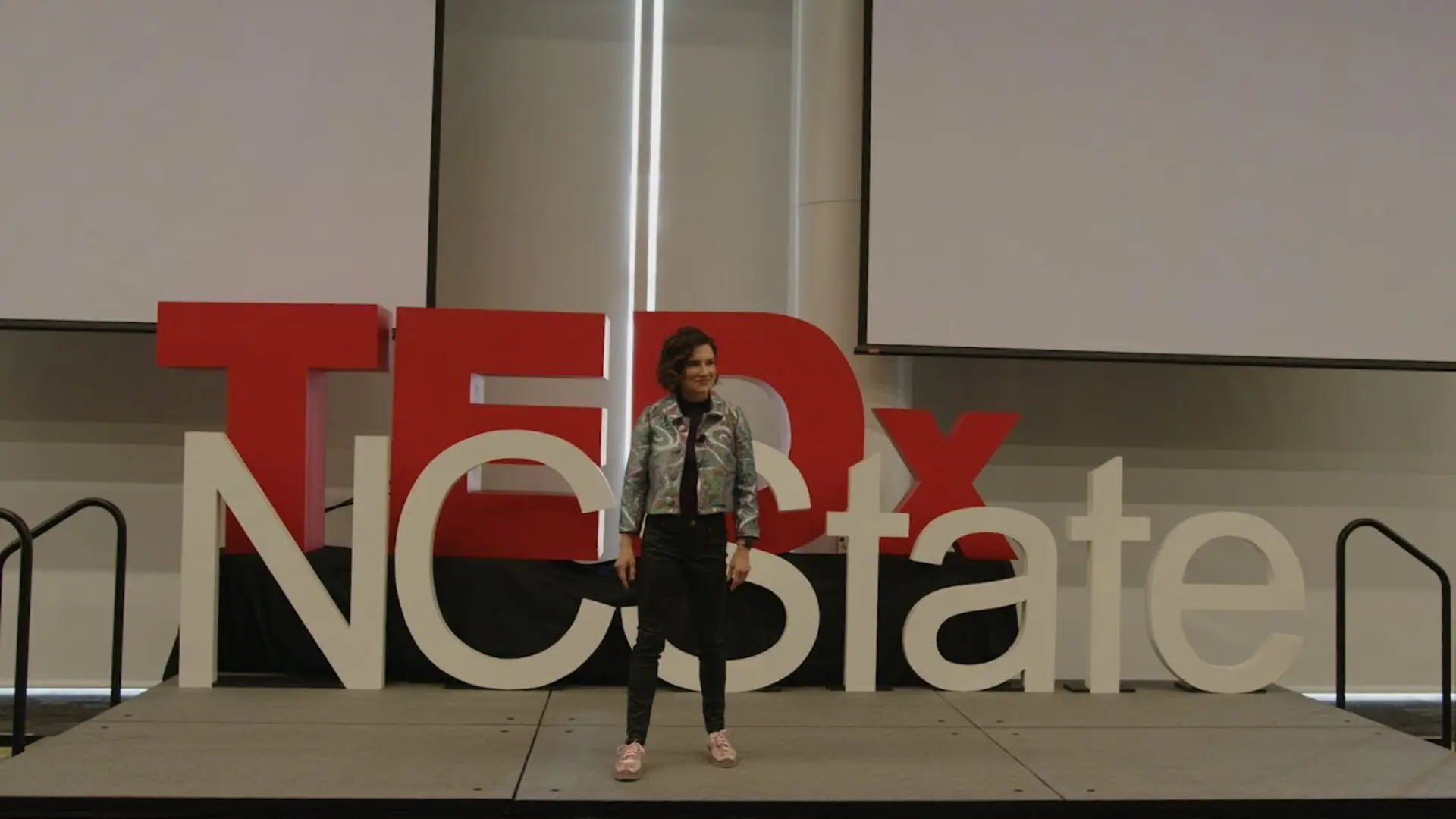
The relentless pursuit of more | Marcey Rader | TEDxNCState

Watch Marcey Rader in action!

Creating Guardrails: How to Take a Real Vacation in Our Hyperconnected World

Watch Marcey Rader in action!

Non-binding request for Marcey Rader

Need help?

Phone: +1 347 223 5128

Email: [email protected]