Michael Bret Hood
Former FBI Special Agent Bret Hood delivers sharp, engaging talks on leadership, ethics, fraud, and decision-making.
Former FBI Special Agent Bret Hood delivers sharp, engaging talks on leadership, ethics, fraud, and decision-making.
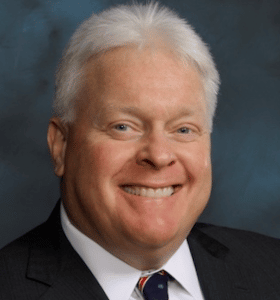
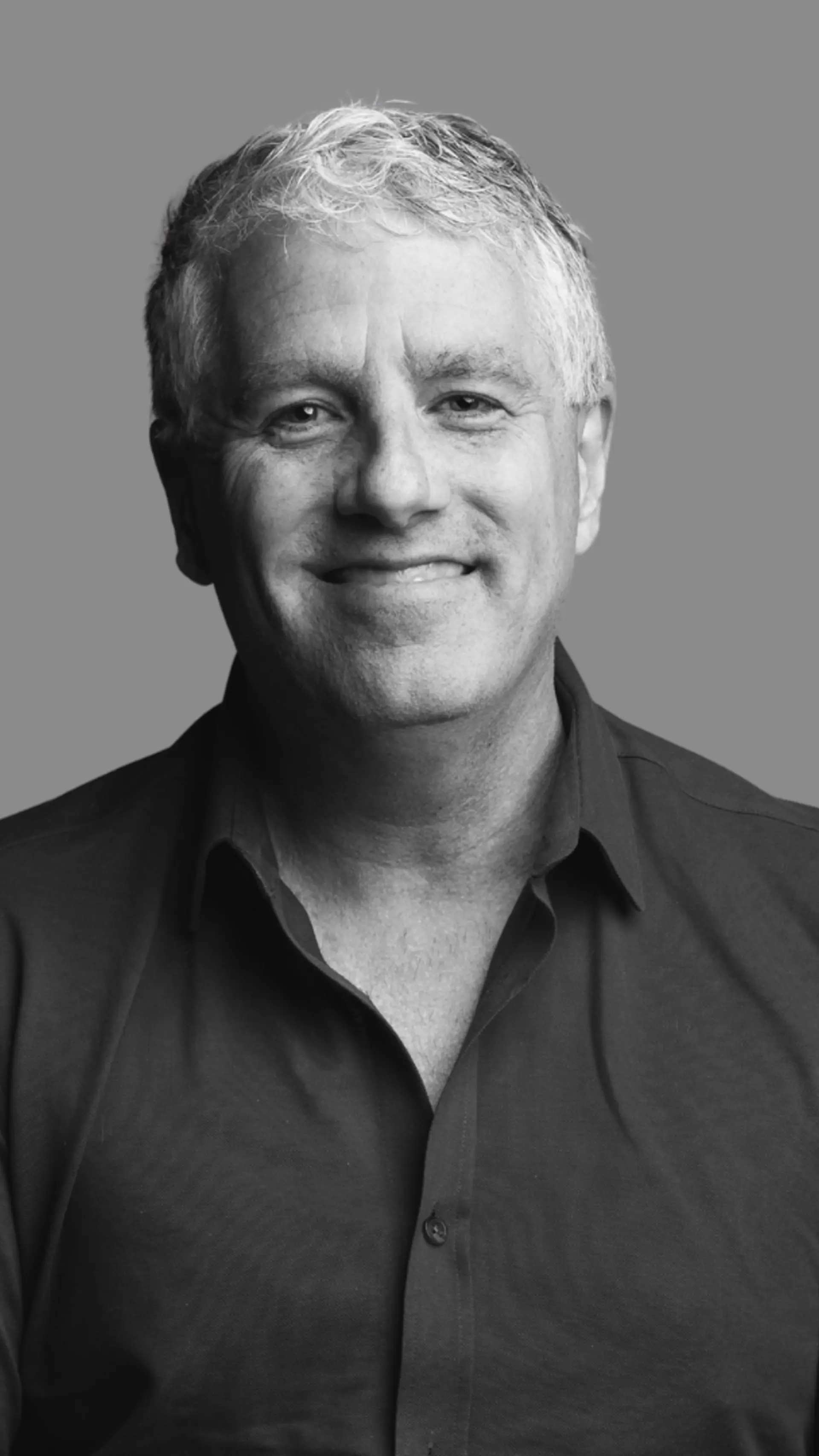
Michael “Bret” Hood brings 25 years of FBI experience into every keynote, translating complex investigations into clear, actionable lessons on leadership, ethics, and decision-making. As a former Special Agent and top-rated instructor at the FBI National Academy, he has trained leaders from across the globe. Today, Bret works with Fortune 500 companies and international organizations, delivering highly interactive talks that challenge perspectives and drive real change.
Michael “Bret” Hood is one of the most experienced voices in leadership and ethics, shaped by a 25-year career as a Special Agent with the Federal Bureau of Investigation. Throughout his time in the FBI, Bret led complex investigations into financial crimes, corruption, and money laundering, gaining firsthand insight into how decisions are made under pressure—and where they can go wrong.
His work went beyond investigations. Bret became known for his ability to translate real-world cases into practical leadership lessons. This skill led him to the FBI National Academy, where he spent the final four years of his career as a top-rated instructor. There, he helped develop and deliver executive-level leadership training to law enforcement professionals from around the world.
Since retiring from the FBI, Bret has built a strong reputation as a speaker who connects instantly with his audience. His sessions are interactive, thought-provoking, and grounded in reality. He works with Fortune 500 companies and global organizations, focusing on leadership, ethics, fraud prevention, and the role of implicit bias in decision-making.
Bret’s expertise is backed by both academic and professional recognition. He serves as adjunct faculty for the Association of Certified Fraud Examiners (ACFE) and the University of Virginia, teaching topics such as fraud, corporate governance, interviewing techniques, and ethics. In 2020, he was honored with the ACFE’s James R. Baker Speaker of the Year Award, highlighting his impact as a trainer and communicator.
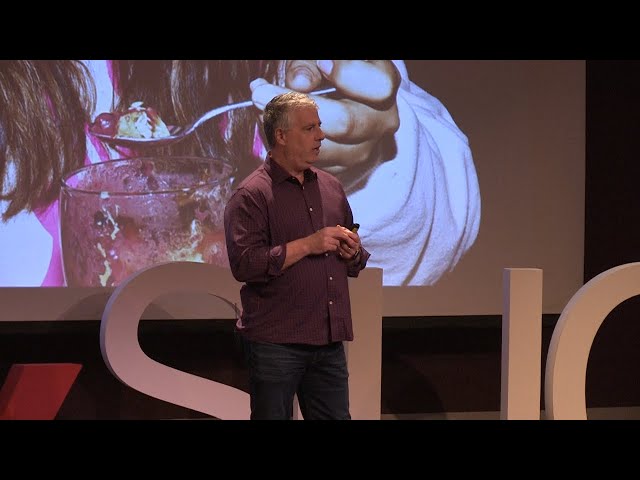
Bret Hood’s voice extends far beyond the stage. In 2023, he delivered two separate TEDx talks on ethics, further establishing his position as a thought leader in the field. His perspectives have been featured in international media, including the Financial Times, and he is regularly sought out for his insights on ethical behavior and organizational culture.
He also contributes to the future of the profession through advisory roles. Bret currently serves on the Southern Illinois University Board of Accounting and previously advised the forensic accounting program at Mount St. Mary’s University.
During his FBI career, Bret received multiple Special Agent of the Year awards, along with two FBI Director’s Awards recognizing his leadership and innovation. These experiences form the backbone of his speaking—real cases, real decisions, and real consequences.
His keynote topics often explore:
Bret is also the author of critically acclaimed leadership books, including Eat More Ice Cream: A Succinct Leadership Lesson for Each Week of the Year and Get Off Your Horse! 52 Succinct Leadership Lessons from U.S. Presidents. His writing reflects the same clarity and practicality that define his speaking style.
His upcoming book, set for release in late 2026, explores rationalization techniques used to justify unethical behavior—offering leaders a deeper understanding of how to prevent it before it starts.
Booking Michael Bret Hood means bringing in a speaker who combines credibility, clarity, and connection. He does not rely on theory alone—his insights come from decades of real-world experience at the highest level. Audiences leave with a sharper understanding of leadership, a stronger ethical compass, and tools they can use immediately.
Whether addressing executives, compliance teams, or leadership groups, Bret delivers sessions that stay with people long after the event ends.
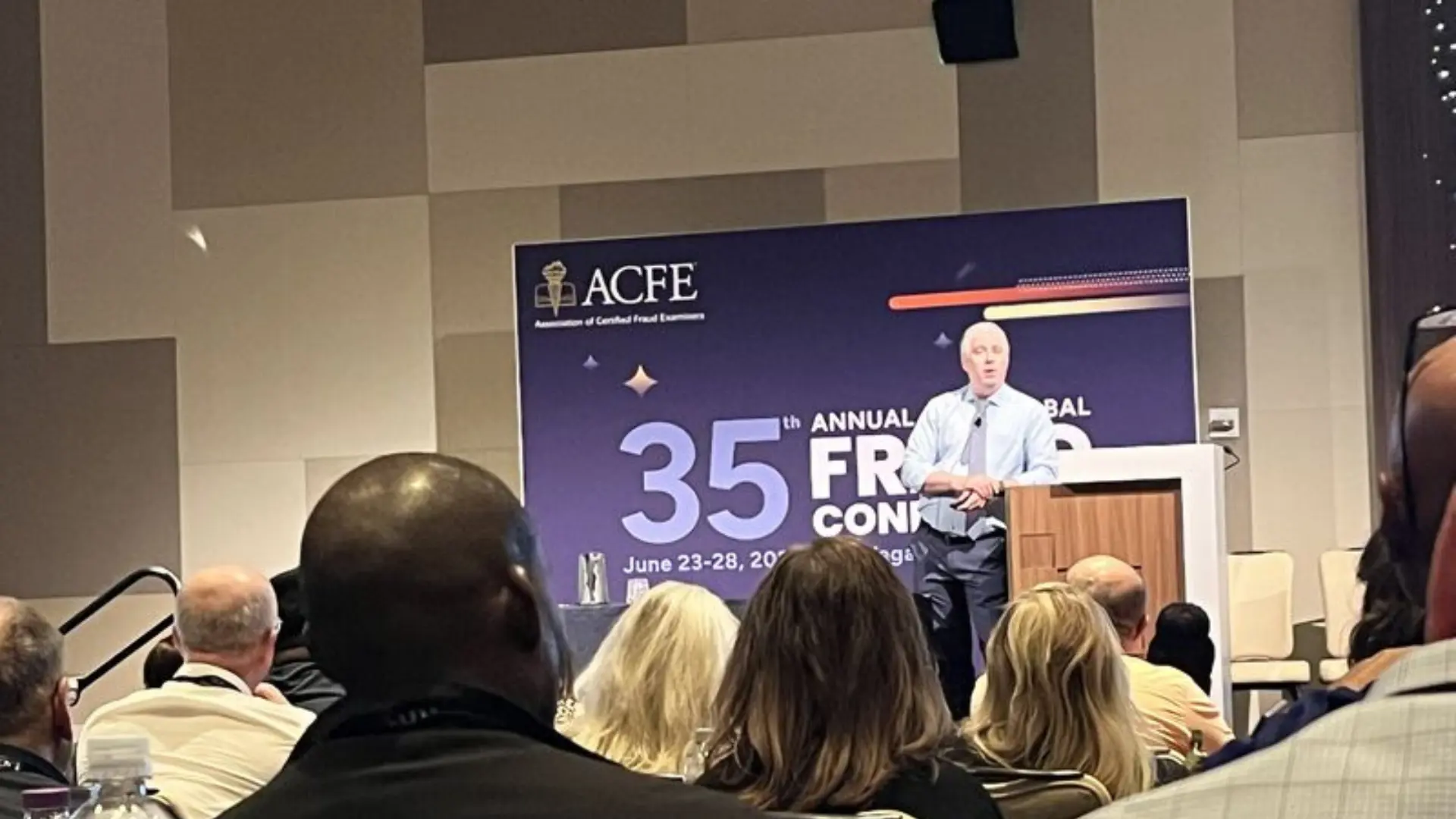
Keynote by Michael Bret Hood:
Are you confident in your ability to remain objective when engaging stakeholders, conducting investigations, or making decisions? If so, you may be overlooking one of the greatest risks to sound judgment: the hidden flaws in human decision-making.
Even experienced professionals are vulnerable to cognitive shortcuts, emotional influences, group dynamics, and organizational pressures that distort perception and reasoning. In investigative environments, these decision-making flaws often operate unnoticed shaping conclusions, influencing interpretations of evidence, and narrowing options without our awareness.
This session shifts the focus from individual bias alone to the broader landscape of decision-making vulnerabilities. Participants will explore how cognitive biases, motivated reasoning, framing effects, overconfidence, groupthink, and social pressures can compromise objectivity. The course also examines how these flaws affect stakeholder engagement, investigative integrity, leadership judgment, and organizational outcomes.
Attendees will leave with practical tools to identify hidden decision traps, slow down flawed reasoning processes, and implement safeguards that promote clearer, more disciplined thinking. Rather than assuming objectivity, participants will learn structured approaches to strengthen it.
Learning Objectives
After this block of instruction, participants will be able to:
Differentiate between cognitive biases, motivated reasoning, and deliberate misconduct.
Identify common decision-making flaws (e.g., confirmation bias, overconfidence, anchoring, framing effects, groupthink).
Analyze how stress, time pressure, hierarchy, and competition impair judgment.
Explain how group dynamics influence collective decision-making.
Compare and contrast System1 and System 2 as defined by Daniel Kahnemann.
Develop practical safeguards, policies, and procedures that mitigate predictable decision-making failures.
Keynote by Michael Bret Hood:
This interactive course explores the critical intersection of communication, leadership, and ethical decision-making in environments shaped by human risk.
Through guided discussions, real-world scenarios, and practical exercises, participants develop skills in active listening, authentic connection, and effective interviewing to better understand how people think, respond, and make choices under pressure. The course emphasizes how influence, both intentional and unintentional, can shape outcomes, highlighting the responsibility leaders carry in fostering ethical cultures.
By examining human behavior, bias, and decision dynamics, learners gain tools to navigate complex situations with clarity, empathy, and integrity, ultimately improving both individual judgment and organizational resilience.
Learning Objectives
After this block of instruction, participants will be able to:
Identify key concepts of communication, leadership, active listening, and ethical decision-making as they relate to human risk.
Explain how human behavior, bias, and social dynamics influence decision-making and risk in organizational contexts.
Demonstrate active listening and effective interviewing techniques to gather accurate information and build trust in real-world scenarios.
Differentiate between ethical and unethical influences in communication and leadership situations, assessing their impact on decision outcomes.
Design and justify strategies for ethical leadership and communication that reduce human risk and promote sound decision-making within teams or organizations.
Watch Michael Bret Hood in action