Fraud involves deception used to gain financial, personal or strategic advantage. It can include cybercrime, scams, identity theft, financial misconduct, social engineering and insider fraud. As technology advances and digital communication becomes more complex, fraud risks continue to increase for businesses and individuals alike. A keynote on fraud helps audiences understand how fraud works, why people fall victim to it and how organizations can better protect themselves through awareness, ethics and stronger systems.
Which topics do our keynotes on Fraud cover?
Fraud affects cybersecurity, leadership, ethics, communication and organizational trust. Understanding these risks can help businesses prevent scams, reduce vulnerabilities and respond more effectively to emerging threats. Explore some of the key topics covered by our keynotes on fraud below:
Cyber-enabled fraud and social engineering
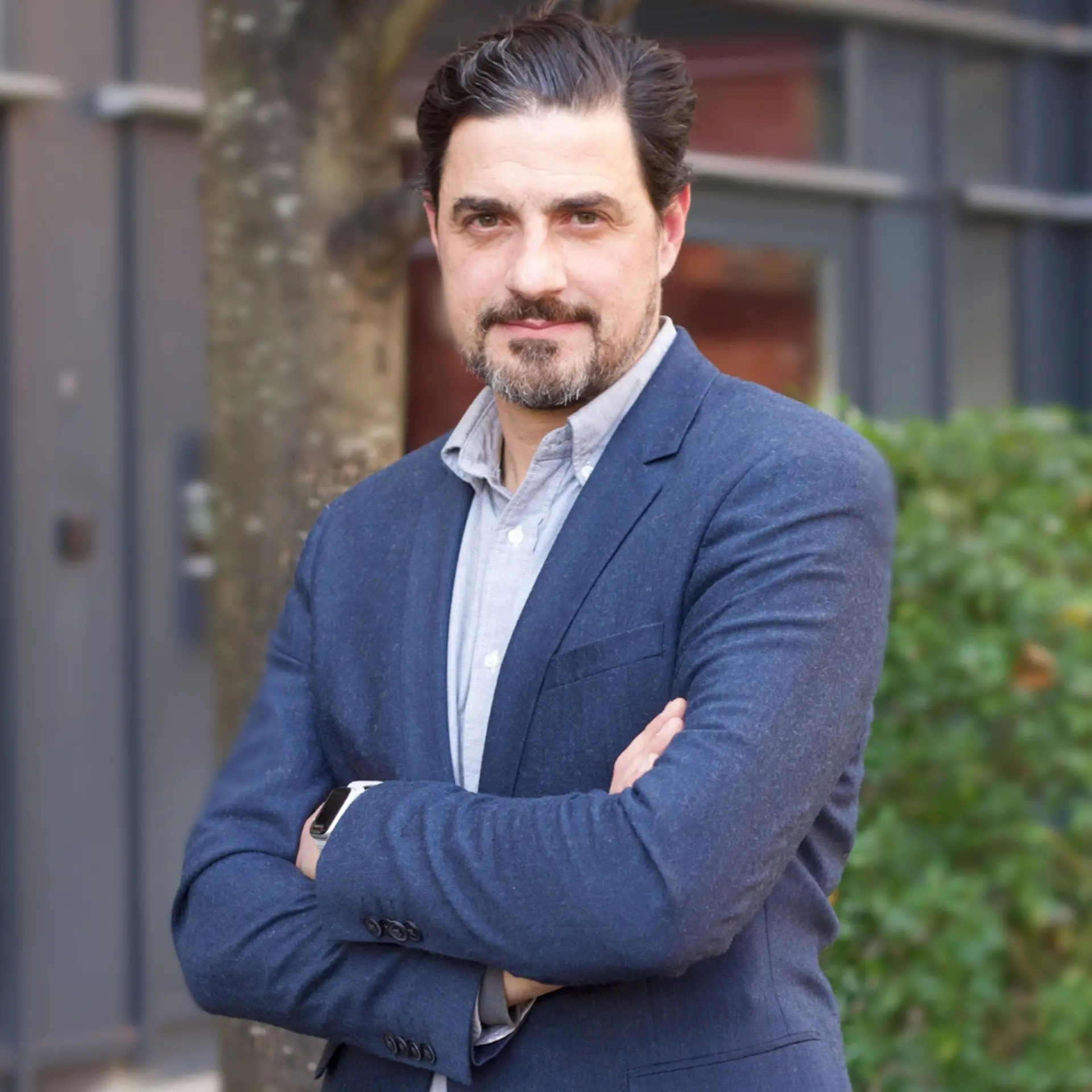
Modern fraud increasingly relies on digital tools and psychological manipulation. A keynote on this topic explores how scammers exploit trust, technology and human behavior to gain access to information and assets. Alex Wood shares firsthand insight into cyber-enabled fraud and social engineering tactics from both sides of the problem. This topic is highly relevant for organizations seeking stronger fraud awareness and prevention.
Scams, deception and human psychology
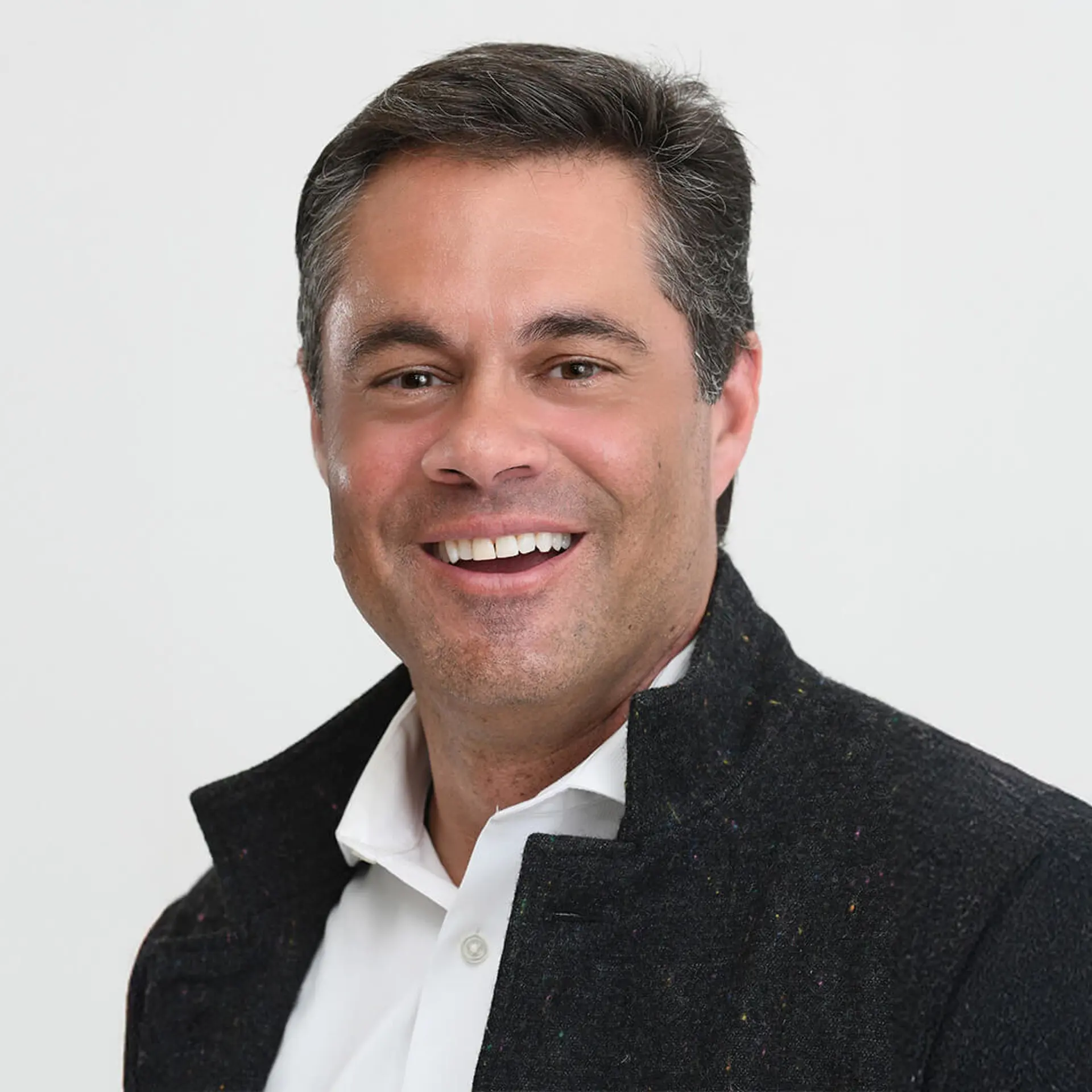
Fraud often succeeds because people underestimate how easily perception can be manipulated. A keynote on this topic explores the psychology behind scams, deception and confidence tricks. Alexis Conran reveals how scams work through engaging examples and practical lessons audiences can immediately apply. This angle is ideal for organizations looking to strengthen awareness in a memorable and accessible way.
Ethics, risk and corporate accountability
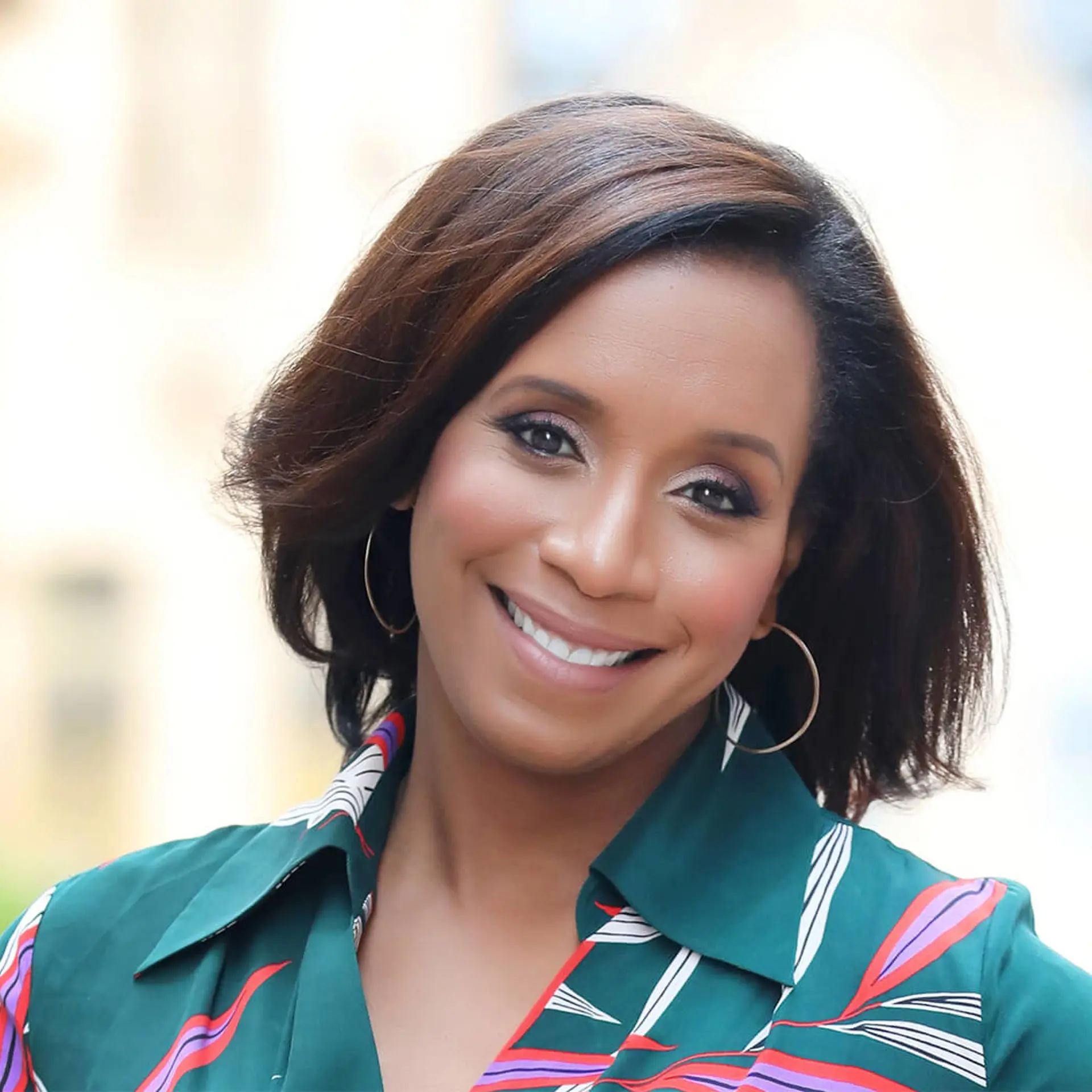
Fraud prevention depends not only on systems, but also on ethics, transparency and organizational culture. A keynote on this topic explores how misconduct develops and what organizations can do to reduce risk. Kelly Richmond Pope combines expertise in forensic accounting, ethics and fraud investigation to help audiences better understand financial misconduct. This topic is especially valuable for leaders focused on governance and accountability.
Fraud investigations and forensic analysis
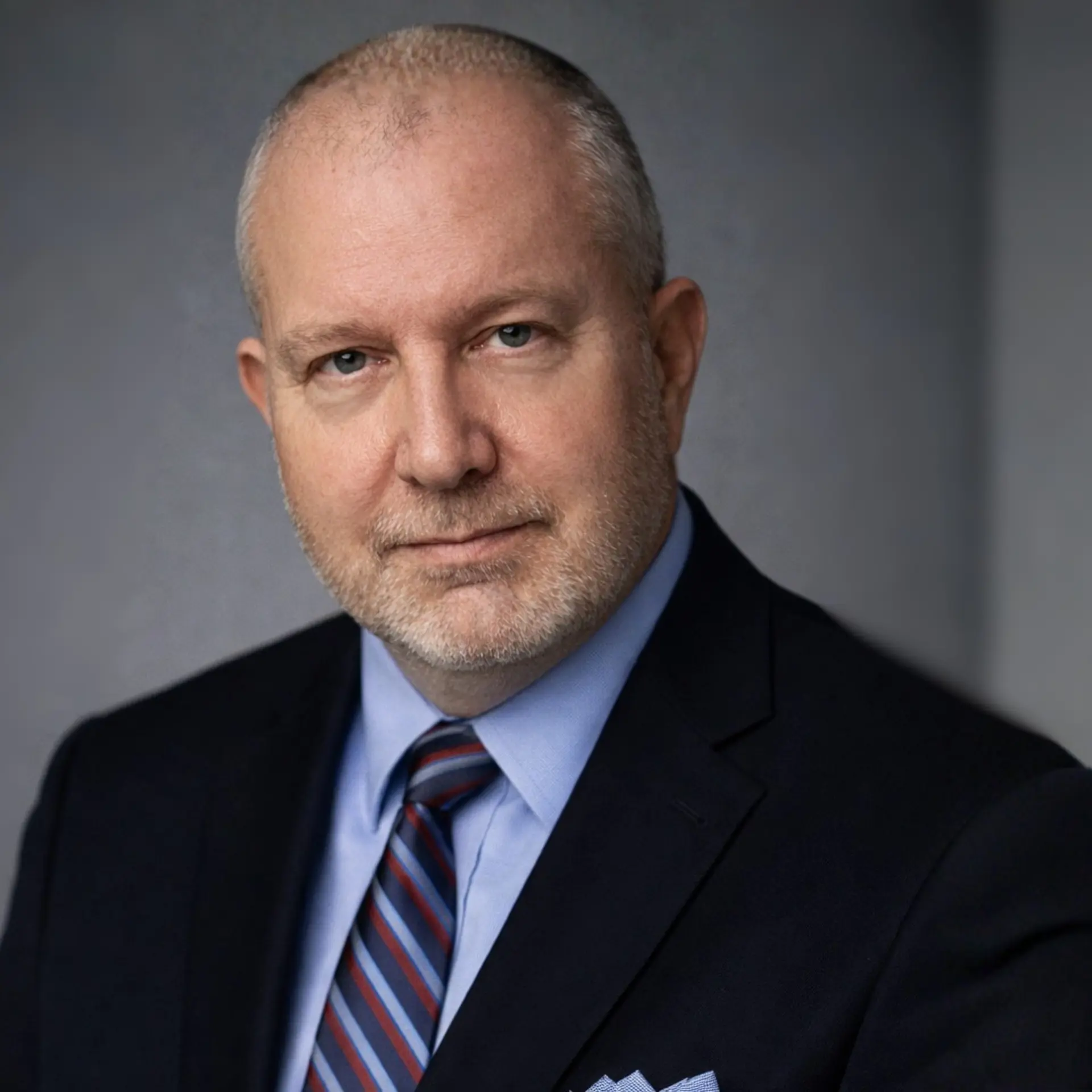
Investigating fraud requires attention to detail, critical thinking and strong forensic methods. A keynote on this topic explores how investigators uncover evidence, trace misconduct and support legal accountability. Max Houck brings international expertise in forensic science and investigative processes. Audiences gain insight into how fraud investigations reveal patterns, weaknesses and hidden risks.
Whistleblowing and organizational integrity
Fraud often continues because people fear speaking up or systems fail to support transparency. A keynote on this topic explores how organizations can build cultures where accountability and integrity are encouraged. Pav Gill shares powerful insight from his experience as the Wirecard whistleblower. This angle is highly relevant for organizations focused on ethics, compliance and long-term trust.
Benefits of a keynote on Fraud
A keynote on fraud helps organizations better understand scams, cybercrime, ethics and financial risk. Audiences gain practical strategies for recognizing threats, improving awareness and strengthening prevention efforts. The topic supports stronger compliance, better communication and healthier organizational cultures built on trust and accountability. The result is a keynote that is informative, engaging and highly relevant in today’s digital environment.
Other relevant keynotes within Fraud
Relevant related keynotes include Cyber Security, Risk Management, Ethics, Forensic Accounting, Leadership, and Crisis Management. These topics connect naturally with fraud because they explore prevention, accountability, digital threats and organizational trust. Explore related keynotes to find the right match for your audience.
Contact us today for help choosing the perfect keynote for your event.
How to Book a Speaker
Booking a speaker with A-Speakers is a simple and tailored process that ensures your event receives the perfect angle on the topic. Start by sharing your needs with us, such as event type, preferred speaker, and budget, via email or phone. We then match your requirements with the competencies of our experts and present the ideal candidate for your audience. Once the details are agreed upon, we draw up a contract and collaborate on the further planning to ensure a successful execution. After the keynote has taken place, we of course follow up and evaluate your satisfaction. Book your speaker today.
- Tell us your wishes and needs: Give us a short description of your event, and feel free to include your wishes for a topic or specific speaker, so we can advise you in the best way possible.
- Get a tailored recommendation: Our skilled speaker consultants base their suggestions on your needs and help you choose the speaker that best matches your criteria and budget.
- Formalize the agreement: Once we've found the perfect speaker for your event, we prepare a contract that both parties sign.
- Planning and execution: We support you all the way and coordinate the details together to make the event a successful experience.
- Follow-up and evaluation: After the keynote, we naturally follow up to see if the event lived up to expectations.
Contact us today to find the speaker that matches your needs and vision. Book a speaker now and take the next step toward a stronger future.