Dementia is a collective term for conditions that affect memory, thinking, communication, and daily functioning. Alzheimer’s disease is the most common form, but dementia can appear in different ways and affect individuals differently over time. The condition often impacts not only the person diagnosed, but also families, caregivers, workplaces, and healthcare systems.
The topic is increasingly relevant as populations age and more people are affected by cognitive decline worldwide. Understanding dementia can help organizations and communities create more supportive, compassionate, and informed environments while improving awareness around care, communication, and wellbeing.
Which topics do our keynotes on Dementia cover?
Keynotes on dementia explore the medical, emotional, and social dimensions of cognitive decline and caregiving. Below are some of the key themes covered within the topic:
Communication and understanding in dementia care
Dementia can change the way people communicate, remember, and interact with the world around them. In this context, Anthony Cirillo explores aging, healthcare, and patient experience with practical insight into better care environments. These keynotes focus on empathy, clarity, and communication when supporting people affected by cognitive decline. Audiences gain perspective on how stronger understanding can improve everyday interactions and care.
Leadership, wellbeing, and supporting aging populations
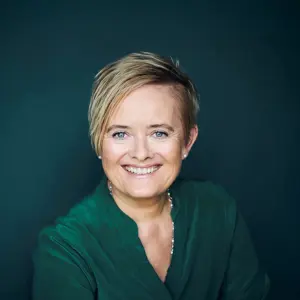
As populations age, organizations increasingly face questions around care, wellbeing, communication, and long-term support. Within this theme, Helen Eriksen explores leadership, human understanding, and practical approaches to creating supportive environments for people facing complex life challenges. These keynotes focus on empathy, adaptability, and the importance of strong interpersonal communication in care-related settings. Audiences gain perspectives on how compassionate leadership can strengthen both wellbeing and collaboration.
Brain health, aging, and human potential
Dementia is closely connected to broader conversations about the brain, aging, and quality of life. Through insights from neuroscience, Susan Greenfield explores how brain science can help audiences understand change, creativity, and human potential. This topic gives a clearer view of how cognitive function shapes identity, behavior, and wellbeing. Audiences gain a more informed perspective on the human side of dementia and brain health.
Resilience, identity, and life after diagnosis
A dementia diagnosis can affect not only memory and health, but also identity, confidence, and relationships. Within this theme, Alix Popham shares perspectives connected to resilience, leadership, and life beyond elite sport after facing serious health challenges. These keynotes explore how individuals and communities respond when life changes unexpectedly. Audiences gain insight into courage, adaptation, and support in the face of cognitive decline.
Benefits of a keynote on Dementia
A keynote on dementia helps audiences better understand the human, emotional, and practical aspects of cognitive decline. Organizations and professionals gain perspectives on communication, caregiving, empathy, and creating supportive environments for individuals and families affected by dementia. These keynotes also encourage greater awareness and reflection around aging, wellbeing, and how society responds to vulnerable populations.
Other relevant keynotes within healthcare and wellbeing
Relevant related topics include Healthcare, Mental Health, Aging, Stress Management, and Resilience. These related keynotes can help place dementia in a broader context of wellbeing, caregiving, communication, and public health. Together, they provide audiences with greater insight into how individuals and organizations can support healthier, more compassionate communities.
Contact us to find the right keynote angle for your event.
How to Book a Speaker
Booking a speaker with A-Speakers is a simple and tailored process that ensures your event receives the perfect angle on the topic. Start by sharing your needs with us, such as event type, preferred speaker, and budget, via email or phone. We then match your requirements with the competencies of our experts and present the ideal candidate for your audience. Once the details are agreed upon, we draw up a contract and collaborate on the further planning to ensure a successful execution. After the keynote has taken place, we of course follow up and evaluate your satisfaction. Book your speaker today.
- Tell us your wishes and needs: Give us a short description of your event, and feel free to include your wishes for a topic or specific speaker, so we can advise you in the best way possible.
- Get a tailored recommendation: Our skilled speaker consultants base their suggestions on your needs and help you choose the speaker that best matches your criteria and budget.
- Formalize the agreement: Once we've found the perfect speaker for your event, we prepare a contract that both parties sign.
- Planning and execution: We support you all the way and coordinate the details together to make the event a successful experience.
- Follow-up and evaluation: After the keynote, we naturally follow up to see if the event lived up to expectations.
Contact us today to find the speaker that matches your needs and vision. Book a speaker now and take the next step toward a stronger future.