Dr. Daniel Wendler
Autistic psychologist and keynote speaker turning neurodiversity and practical inclusion into stronger cultures and high-performance teams.
Autistic psychologist and keynote speaker turning neurodiversity and practical inclusion into stronger cultures and high-performance teams.
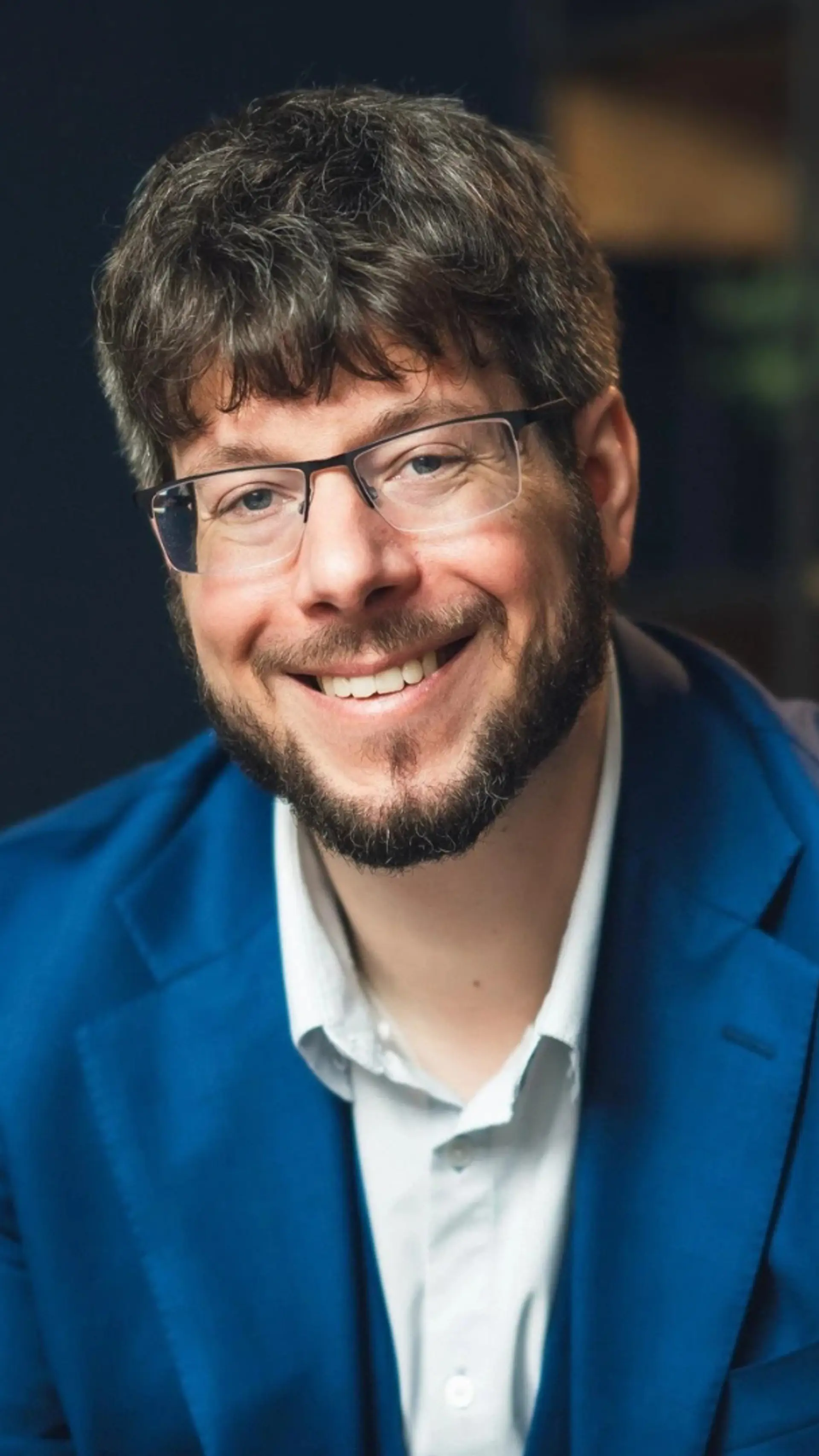
Dr. Daniel Wendler is an autistic psychologist, internationally recognized keynote speaker, and bestselling author who brings a distinctive perspective to neurodiversity, inclusion, and workplace culture. Combining psychological expertise with lived experience, he helps organizations understand how environments can be designed to bring out the strengths of more people.
Daniel is the co-author, with Dr. Kyler Shumway, of Neurodiversity and the Myth of Normal. He has also shared his personal and professional perspective at TEDx, where his talks about life with autism have been viewed more than 750,000 times. Online, he reaches an audience of over 300,000 followers as “Dr. Dan, Autistic Psychologist.”
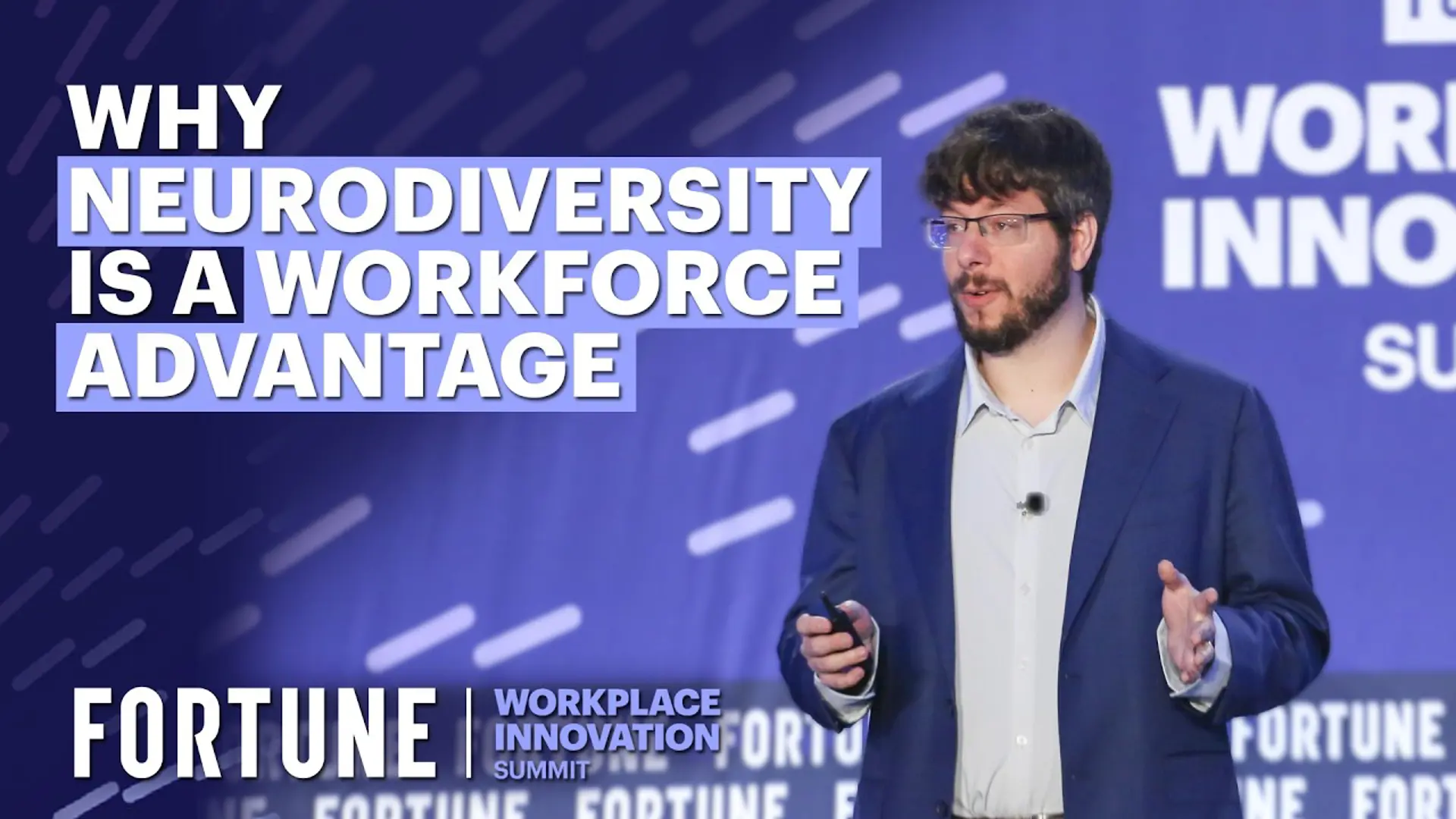
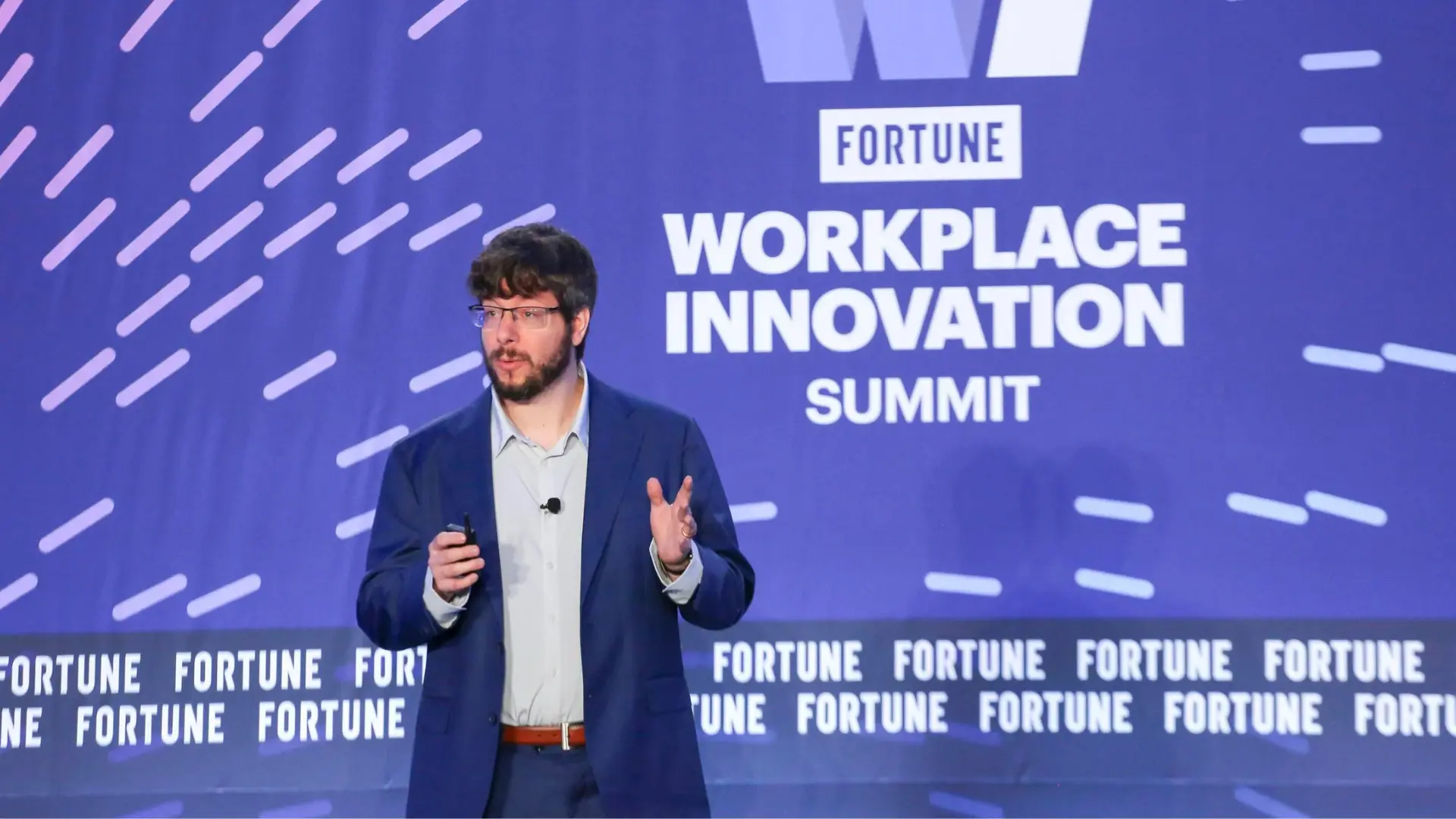
His expertise has brought him into conversations with some of the world’s best-known organizations. Daniel has consulted on autism and neurodiversity for organizations including Google, Harvard, and SAP, and has been a featured speaker at the Fortune Workplace Innovation Summit and the Great Place to Work Summit. His expertise has also been featured by Bloomberg Magazine and the American Psychological Association.
Daniel has shared the stage with prominent voices including Angela Duckworth and Temple Grandin, bringing psychology and personal experience together to explore how people work, communicate, and belong.
Daniel’s approach to inclusion grew from an important realization. Teaching individuals social skills can be useful, but when this becomes the primary solution, the responsibility for fitting in falls on the person who is different. They are expected to change, adapt, and learn the unwritten rules of the environment around them.
Daniel advocates for another approach: practical inclusivity.
Instead of asking only how individuals can become better at navigating an existing culture, organizations can examine the culture itself. How can workplaces become more accessible to different communication styles, ways of thinking, and ways of interacting?
For Daniel, this is not simply a question of accommodation. Creating conditions in which more people can contribute their strengths can improve culture, strengthen teams, and give organizations a competitive advantage.
A central theme in Daniel Wendler’s work is neurodiversity: understanding neurological differences such as autism without automatically treating them as deficits.
This perspective challenges audiences to examine the assumptions behind the idea of being “normal.” People naturally differ in how they think, communicate, process information, and experience the world. Recognizing those differences can change how organizations think about talent, performance, and belonging.
As both an autistic person and a psychologist, Daniel brings a rare combination of perspectives to this conversation. He makes neurodiversity tangible, connecting psychological insights with experiences and challenges that people encounter in workplaces, schools, and communities.
His message encourages leaders and teams to look beyond conformity and consider how different strengths and perspectives can contribute to healthier, more effective organizations.
Universal design offers a practical framework for putting these ideas into action. Rather than creating a separate solution for every individual difference, organizations can design environments, processes, and communities from the beginning with a broader range of people in mind.
Daniel explores how these principles can be applied in workplaces, schools, and other communities to reduce unnecessary barriers while creating a stronger sense of belonging.
Through his keynotes and consulting, Daniel explores themes including:
Together, these ideas provide organizations with a practical way to connect inclusion with culture and performance rather than treating it as a standalone initiative.
Book Dr. Daniel Wendler when you want a keynote that combines psychology, lived experience, and practical insight into how organizations can create cultures where more people can thrive.
His sessions are particularly relevant for audiences exploring neurodiversity, autism, inclusion, belonging, workplace culture, and high-performance teams. Daniel translates complex ideas into accessible conversations that encourage leaders and employees to reconsider assumptions about difference and examine how their environments influence people's ability to contribute.
Audiences leave with a fresh perspective on what genuine inclusion can look like and practical ideas for creating workplaces and communities that recognize differences, reduce barriers, and enable more people to do their best work.
Keynote by Dr. Daniel Wendler:
Successful organizations know their greatest asset isn’t their brand name or balance sheet. It’s their people.
When every team member has the support they need to reach their full potential – well, that’s when the magic happens.
But too many organizations squander the potential of their neurodivergent team members, such as those with autism or ADHD.
Talented contributors are sidelined or silenced, just because their minds work differently than their colleagues expect.
Fortunately, many leaders are starting to recognize the power of neurodiversity in the workplace. Leading firms like Google, Harvard, and Accenture are spearheading efforts to build a neuroinclusive culture where everyone has the support they need to thrive.
Your organization can join them. This training will show you how.
Your team will learn:
Keynote by Dr. Daniel Wendler:
Look, your people are struggling. Studies consistently find that over half of employees are suffering from burnout. That’s not because your team is weak. And it’s not because leadership doesn’t care.
It’s because you haven’t found the right solution.
Burnout festers because it’s a psychological problem that manifests in business environments.
Mental health experts understand the psychological impact, but struggle to build a solution that works in the real world of business.
Business experts understand the competitive reality of your organization, but struggle to understand the complex psychology behind burnout.
You need someone who can address your team’s psychological needs in a way that supports your business goals.
That’s where I come in.
I’m a clinical psychologist, and I specialize in bridging the gap between competitive pressure and human flourishing.
I firmly believe that you don’t need to choose between a successful business and a psychologically healthy team culture. In fact, the best way to inspire high performance is to invest in healthy culture.
In other words, a burnout-free workforce isn’t accomplished by lowering standards, but by raising your team’s ability to take care of themselves (and one another.)
You can make this happen for your team. I can help.
Your team will learn:
Keynote by Dr. Daniel Wendler:
The best parts of life happen outside your comfort zone. If you want to thrive, you need to grow.
Your team works the same way. If you want your organization to thrive, your people need to grow.
But growth is hard! People resist change.
It’s easy to get people excited about a new initiative for a few days. It’s much harder to get them to actually commit to change.
And it’s harder still to develop a genuine culture of change readiness - so they’re able to adapt not just to the current change, but to every curveball that comes their way.
But while it’s hard, it’s also necessary. You already know that your organization faces a choice between adaptability and stagnation. You just don’t know what to do about it.
That's where "The Comfort Zone Advantage" comes in. This keynote directly addresses the key psychological barrier that prevents your team from embracing change. As a psychologist, I understand the real reason people get stuck. And I understand exactly what they need to break free.
The research is clear - the strongest performing teams are also the most psychologically healthy. That’s why the Comfort Zone Advantage gives your team the courage to grow by giving them permission to recover. Your audience will unlock the strength they need to change by changing the way they meet their needs.
Your audience will learn:
Watch Dr. Daniel Wendler in action