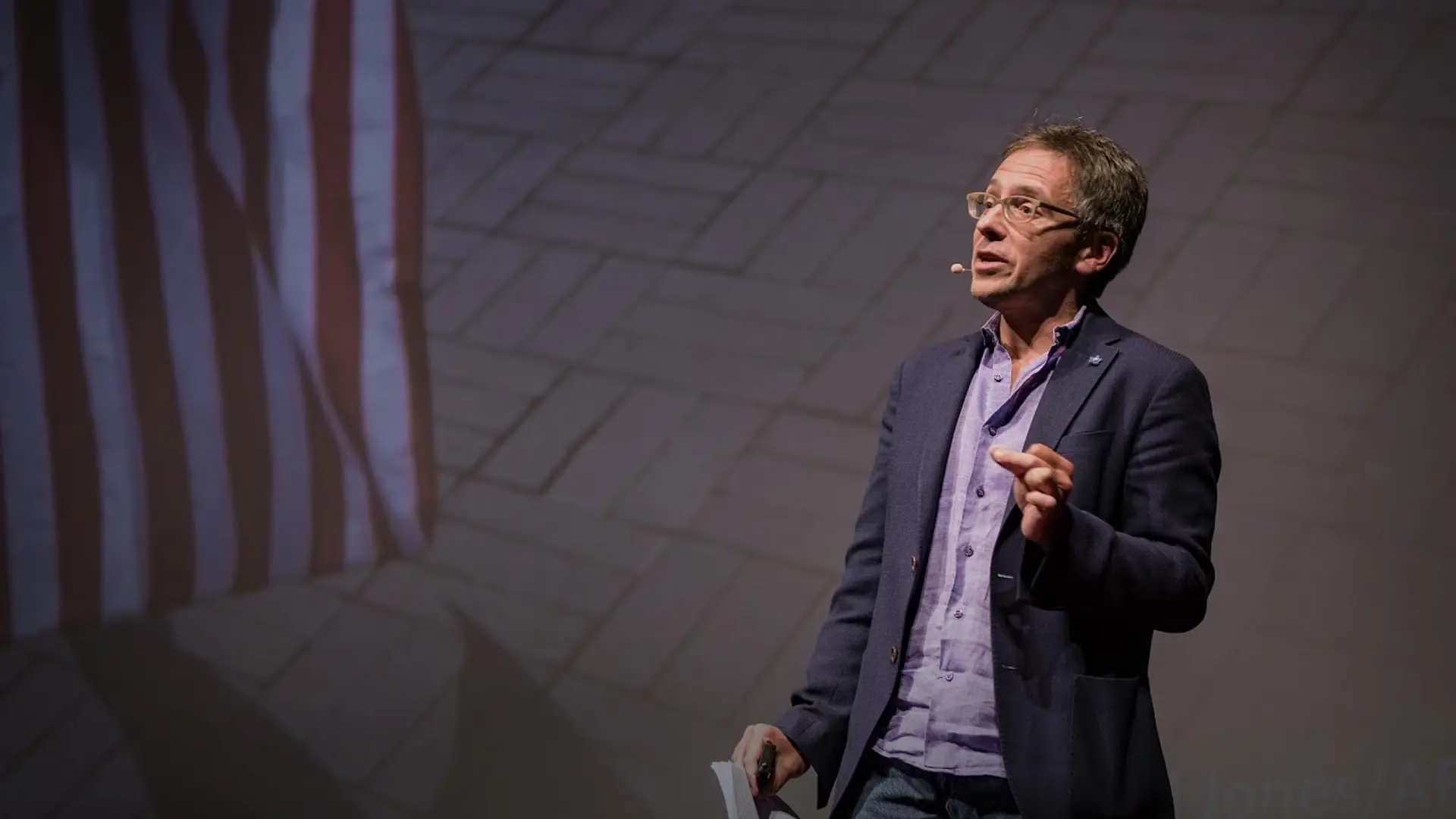
Ian Bremmer
Founder of Eurasia Group, Ian Bremmer helps executives anticipate global shifts, manage political risk, and lead with confidence in volatile times.
Founder of Eurasia Group, Ian Bremmer helps executives anticipate global shifts, manage political risk, and lead with confidence in volatile times.
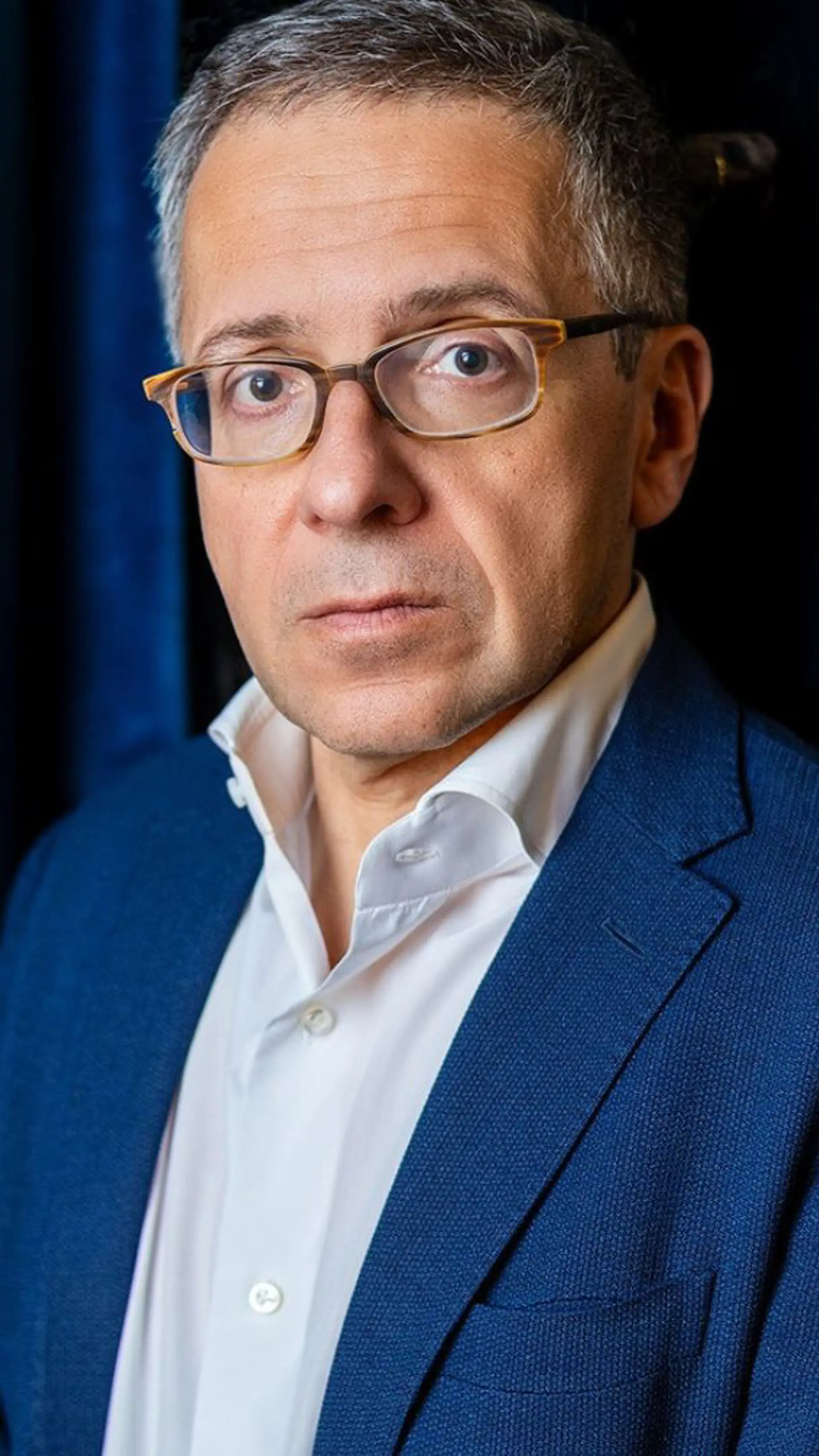
Ian Bremmer is a political scientist, author and global affairs expert who helps business leaders, policymakers and wider audiences understand a world of rapidly changing risks and opportunities. As founder and president of Eurasia Group and GZERO Media, Ian has spent his career making complex geopolitical developments clear, relevant and actionable. He is credited with bringing political risk analysis into financial markets and establishing it as an academic discipline. From shifting global power and populism to artificial intelligence, climate change and technological disruption, Ian offers an independent perspective on the forces transforming markets, societies and international relations.
Ian Bremmer is president and founder of Eurasia Group, a global research and advisory firm, and GZERO Media, a digital media company providing intelligent and engaging coverage of international affairs. Through his speeches, written commentary, media work and even satirical puppets, he has developed a distinctive way of making complicated global issues clear, relevant and engaging.
As a political scientist and leading authority on geopolitical risk, Ian helps audiences understand how shifts in politics, economics and technology are reshaping the world. His keynotes put today's headlines into context, revealing the forces behind them and what they could mean for businesses, governments and societies.
Ian Bremmer is credited with bringing the craft of political risk to financial markets and helping establish political risk as an academic discipline. His work has introduced influential frameworks for understanding the relationship between politics, economics and global markets.
His definition of emerging markets, countries where politics matters at least as much as economics for market outcomes, has become an industry standard. He also coined the term “G-Zero” to describe a global power vacuum in which no single country is both willing and able to set the international agenda. The concept has become widely used among policymakers and thought leaders.
These frameworks shape Ian's analysis of today's geopolitical landscape, allowing him to move beyond individual events and examine the underlying forces influencing markets, institutions and international relations.
Ian Bremmer is the author of eleven books examining international politics, globalization and the forces changing societies around the world. His books include the New York Times bestseller Us vs. Them: The Failure of Globalism, an examination of rising populism and the political consequences of a global system that has left many people feeling excluded.
His latest book, The Power of Crisis: How Three Threats—and Our Response—Will Change the World, explores three major challenges: health emergencies, climate change and technological revolution. Ian considers both the risks these challenges pose and their potential to drive cooperation, innovation and prosperity.
Drawing on this work and decades of geopolitical analysis, Ian's presentations can give audiences insight into topics including:
Artificial intelligence has become an important part of Ian Bremmer's work on global governance, risk and technological change. In 2023–2024, he served as rapporteur of the United Nations High-Level Advisory Body on Artificial Intelligence.
The body's 2024 report represented the first global initiative to address AI-related risks while considering how the transformative potential of artificial intelligence can be shared globally. This experience gives Ian a valuable perspective on the growing relationship between AI, geopolitics and international governance.
For organizations navigating technological transformation, he examines questions that extend beyond the technology itself: how AI could alter global power, how governments may respond, where cooperation and regulation are possible, and what emerging risks could mean for businesses and society.
Alongside his work at Eurasia Group and GZERO Media, Ian Bremmer is foreign affairs columnist and editor at large for Time magazine. He also hosts GZERO World with Ian Bremmer, a global affairs program airing weekly on US public television.
Ian is a frequent guest across broadcast television, digital news and podcasts. His appearances span media with different perspectives and audiences, including CNN, MSNBC, FOX and Newsmax, as well as prominent international media. This breadth reflects his ability to engage with complex and often contentious global issues across a wide range of platforms.
His academic background further strengthens his perspective. Ian holds a master's degree and doctorate in political science from Stanford University and a bachelor's degree in international relations from Tulane University. He currently teaches at Columbia University's School of International and Public Affairs, previously served as a professor at New York University and is a Senior Fellow at Harvard Kennedy School's Belfer Center for Science and International Affairs.
Ian Bremmer brings decades of geopolitical expertise together with an engaging and accessible communication style. Rather than simply explaining what is happening in the world, he helps audiences understand the forces driving change and consider what those developments could mean for the decisions ahead.
From geopolitical uncertainty and shifting global power to artificial intelligence, globalization and climate change, Ian equips audiences with a clearer framework for navigating a rapidly changing international landscape. His keynotes are designed to leave leaders better informed about the risks, opportunities and choices shaping the future.

Keynote by Ian Bremmer:
For the past two decades, the post-Cold War global order has been breaking down, leaving us to respond to a series of crises with both political, market, and business implications. Today, that breakdown is no longer theoretical: it is reshaping trade, war, technology, energy markets, and the capacity of major powers to cooperate in real time. Ian Bremmer argues that we have moved from a G- Zero world into a more dangerous phase of geopolitical recession—one defined not simply by a vacuum of leadership, but by mounting rivalry, transactional diplomacy, and weaker guardrails between the world’s biggest powers.
The world’s most powerful country— the United States — has become the most politically dysfunctional rich-world country. The world's most important bilateral relationship — US-China —is deteriorating more quickly than leaders can build new guardrails. Today's global institutions no longer reflect the world's true balance of power. The result: a growing vacuum of leadership and cross-border coordination. This geopolitical recession will continue to limit our ability to respond to simultaneous crises from Russia-Ukraine war to the Middle East to climate change, and the emergence of disruptive new technologies.
Ian will share ideas and insights to help policymakers and business decisionmakers navigate a world in accelerating transition.
Keynote by Ian Bremmer:
To navigate globalization, every business decision-maker weighs economic variables when considering overseas investments or market exposure. But to spot crucial opportunities and manage risk, they must also understand the political factors and trends changing our world in real-time.
Whether it's increasingly contentious relations between China and the United States, ongoing turmoil in the Middle East, the war in Ukraine, a more complex regulatory environment in Europe, a newly global focus from India, surges of populism in Latin America, heightened competition in Africa, or dozens of other politically driven trends, political analyst and entrepreneur Ian Bremmer will detail how political risk is creating new sets of business winners and losers.
At this presentation audiences will learn:
Keynote by Ian Bremmer:
For most of human history, power belonged to whoever controlled territory, natural resources, and armies. In the coming century, it will belong to whoever controls artificial intelligence, the systems that will determine how economies grow, how militaries fight, how governments function, and how individuals understand the world around them.
That is not a prediction about a distant future. The decisions being made right now, about who builds these systems, who funds them, who they answer to, and what they optimize for, will be more consequential for the global balance of power than any election, any trade agreement, or any military alliance currently on the table.
Ian Bremmer will argue that AI is the most important geopolitical story of our time: not because of what it might do if it goes spectacularly wrong or right, but because of what it is already doing as it presently, simultaneously concentrating and diffusing power, reshaping competition, and programming human behavior at a scale that no previous technology has approached. Who—which business models, companies, and countries—sets the terms for this technology, and to what ends, is the question that will define the century.
Keynote by Ian Bremmer:
In a G-Zero world, one without strong and sustainable international leadership, crises no longer remain confined to one region or one issue area. They cascade across energy markets, supply chains, alliance systems, financial conditions, and domestic politics. Ian Bremmer argues that this is the defining challenge of the current era: not simply that crises are more frequent, but that the world is less capable of coordinating an effective response.
Ian discusses the geopolitics of...
This talk explains why crisis management is now the central test of leadership for governments and companies alike and how decision-makers can prepare for a world in which geopolitical shocks are more connected, more frequent, and harder to contain.
Watch speaker Ian Bremmer in action
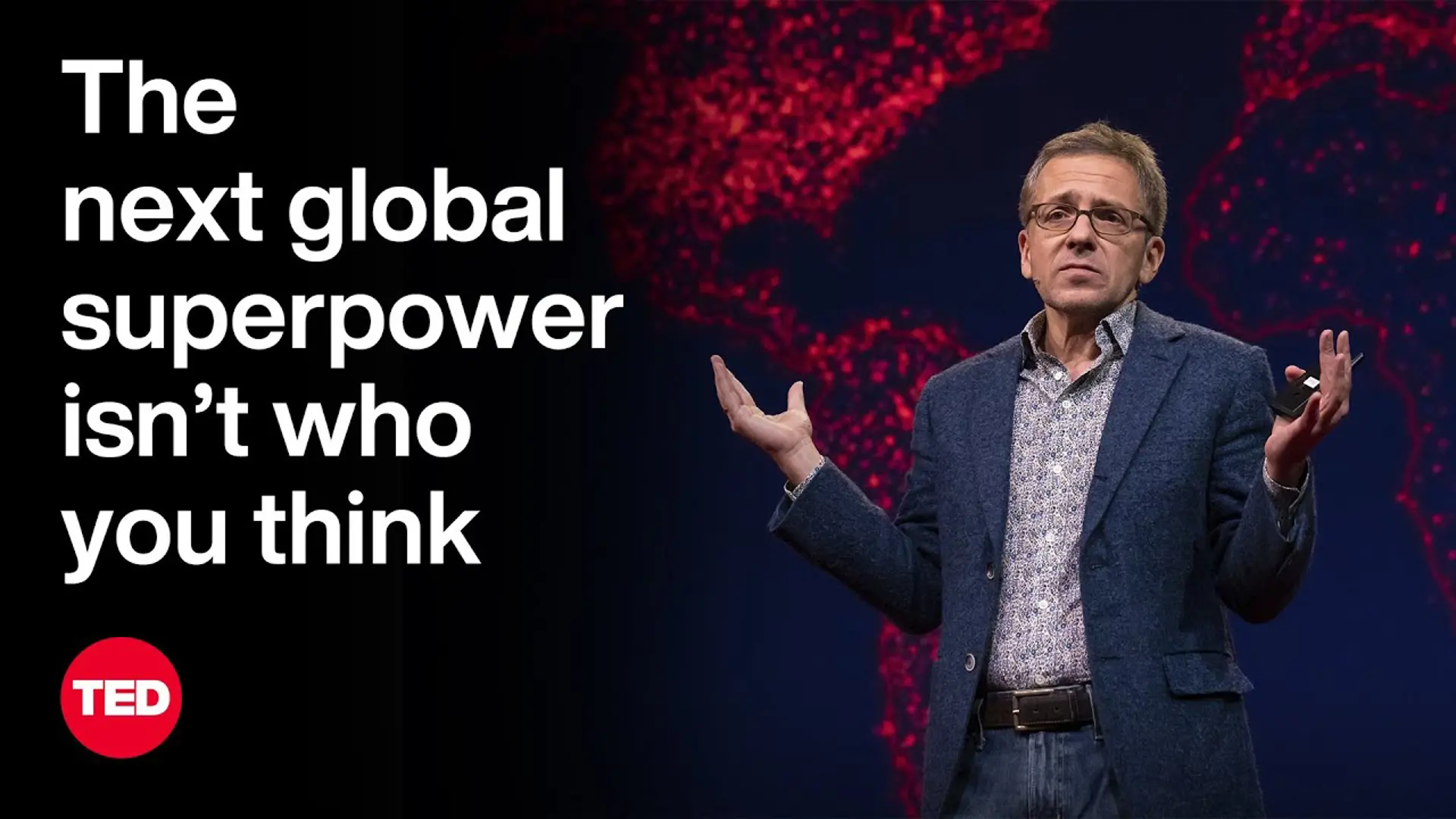
Watch speaker Ian Bremmer in action
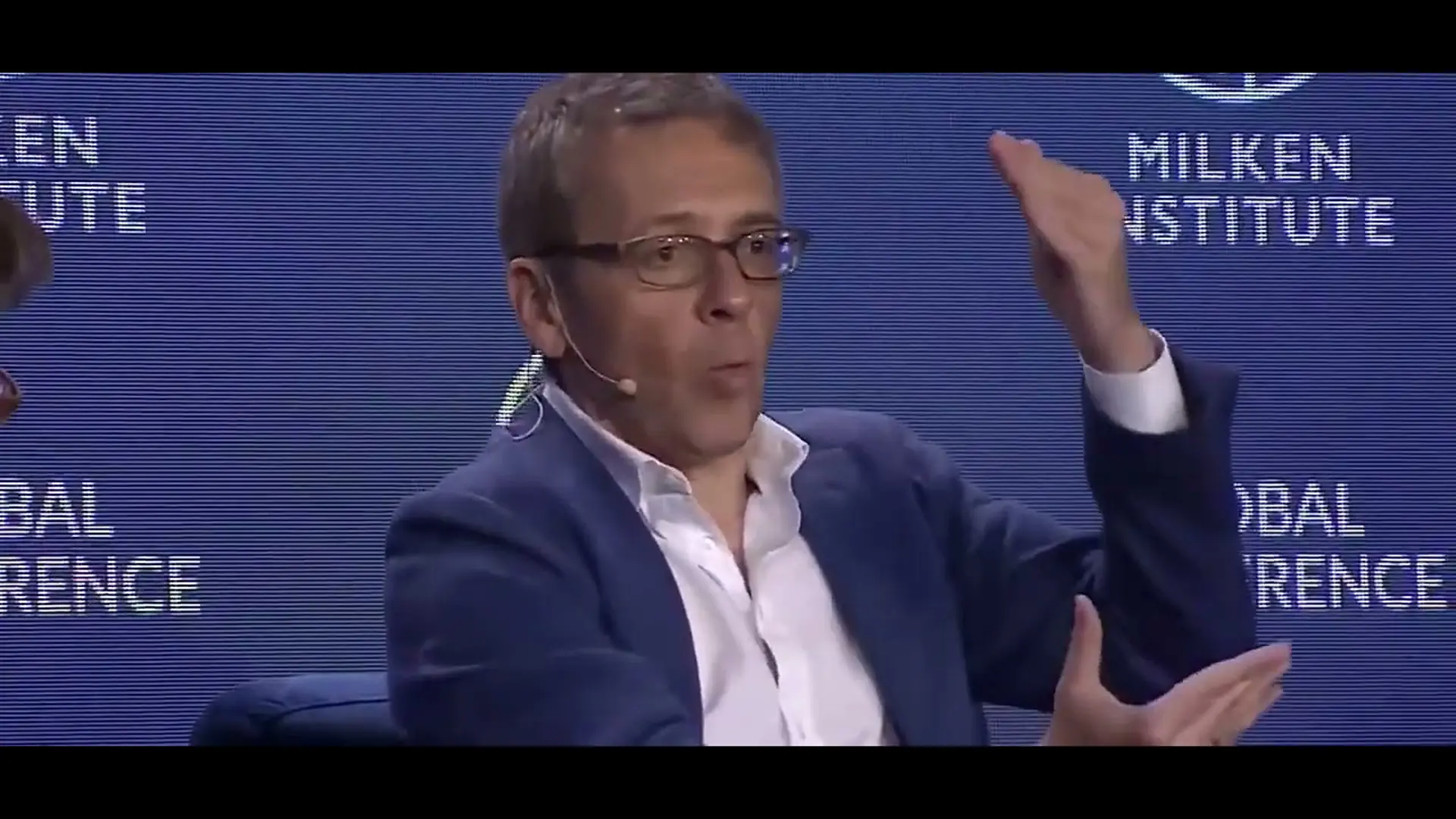
Watch speaker Ian Bremmer in action