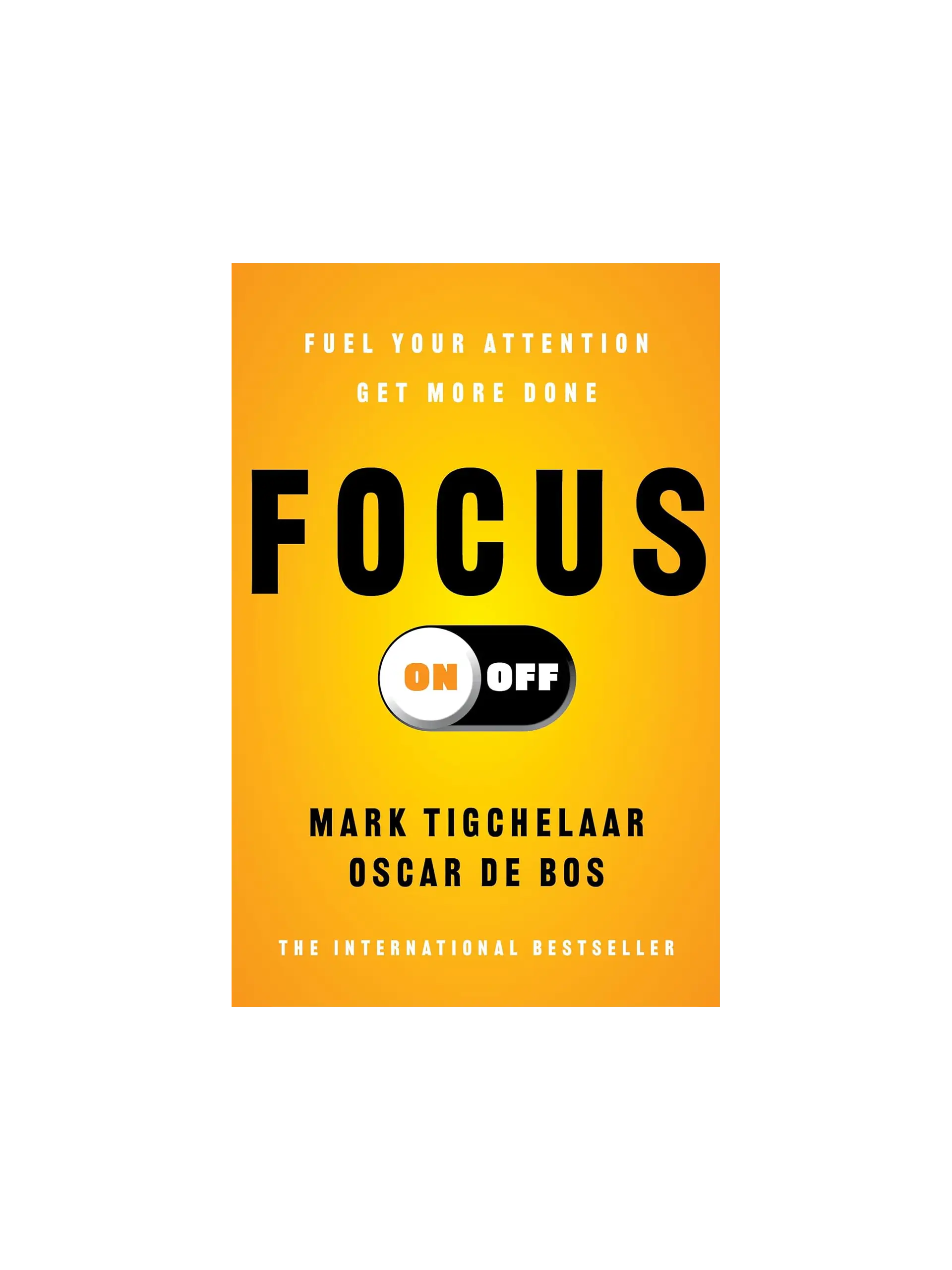
Focus to Win - Give your best attention to your greatest ambitions.
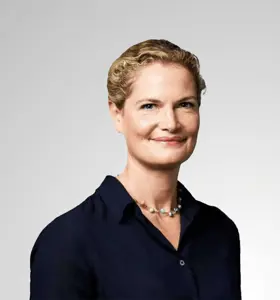
What if the key to better performance is knowing when to stop? Cognitive psychologist Mark Tigchelaar has spent more than two decades exploring how attention works, why we lose it and how we can win it back. His message challenges a familiar assumption: we don’t have a focus problem; we have a rest problem.
With more than 1,600 keynotes and six books selling over 500,000 copies in more than 20 languages, Mark translates brain science into practical tools for leaders and teams. His movement, Don’t Scroll Your Life Away, connects workplace performance with something deeply personal: giving our best attention to the work, experiences and people that matter.
The Distracted Boy Who Became Fascinated by Focus
Long before Mark Tigchelaar began teaching others how to concentrate, he struggled to do it himself. Chaotic and easily distracted, he found both primary and secondary school challenging. But there was an exception: when something truly captured his interest, he could become completely absorbed.
On weekends, he could play guitar for ten hours straight or disappear into a world of Lego. The same brain that wandered in the classroom could stay with something for hours.
That contrast fascinated him. Why was attention so difficult in one situation and almost effortless in another? Frustration with his own mind gradually became a desire to understand it, and that curiosity would become his life’s work.
Mark’s connection to the subject remains personal. He knows the experience of wanting to focus and struggling to make it happen. His work grew from having to find answers for himself.
The Entrepreneur Who Discovered the Limits of Hard Work
At 19, Mark started his own company and embraced the routine of an ambitious founder: long days, constant effort and the belief that hard work would lead to success, which would eventually bring happiness.
Then he noticed something uncomfortable. Everything he produced between 4 and 9 pm roughly equalled what he achieved during his first two focused hours in the office. He was putting in more time while approaching burnout.
Around the same period, he met entrepreneurs who worked fewer hours, earned more and seemed considerably more relaxed. Their experience challenged the way he understood productivity. The difference appeared to lie in how they used their attention.
This became a turning point. Mark dedicated himself to understanding focus and began questioning the belief that pushing harder was always the answer. Over time, recovery became central to his approach: knowing when to rest helps create the conditions for doing demanding work well.
Six Hours of Screen Time and a Personal Wake-Up Call
Years later, while already training others in focus, Mark checked his own screen time. It was six hours a day.
He shares that discovery openly. Expertise had not made him immune to a world designed to capture attention. Today, his screen time is around 90 minutes, but the experience gave him a more personal understanding of digital distraction and helped inspire Don’t Scroll Your Life Away.
His message reaches beyond the working day. As a father, Mark sees attention as the most beautiful gift we can give someone, especially a child. His question is simple: are we giving our best hours to the people and experiences we value?
Climbing Mont Blanc and training with former Dutch Special Forces operators added another perspective. Mark discovered how choosing discomfort can bring a powerful sense of presence. On a mountain, every step demands attention. That complete engagement is part of what makes the experience rewarding. With Manaslu next on his climbing agenda, he continues to explore the relationship between challenge, focus and joy.
His theatre lecture on living with attention has brought this message to audiences beyond business. One young woman told him she had reduced her daily screen time from 12 hours to around six. For Mark, these stories reflect the purpose behind the work: helping people create a life full of life.
Turning the Science of Focus into Everyday Working Habits
Across 22 years, Mark has delivered more than 1,600 keynotes for organisations including Deloitte, KPMG, Heineken, Coca-Cola and Capgemini. He has written six books on focus, sold over 500,000 copies across more than 20 languages and become a guest lecturer at several universities. The Times has described him as “the world’s leading expert on focus and performance.”
His experience has shaped a clear organisational message: a company without focus is like a painter without paint. Just as a painting business provides the tools needed to do the job, organisations must create conditions in which people can concentrate. Mark connects these conditions with productivity, work stress, absenteeism and financial performance.
His Focus Model gives teams a shared language through four steps on the Flow Curve: Select, Reduce, Engage, Recharge. His Focus Formula and Flow Curve explore how attention, energy and recovery work together, while Islands of Attention describes protected spaces for deep work in days filled with interruptions.
Mark calls the broader choice “swimming against the stream”: making room for depth and presence in a culture that rewards speed and constant availability. He applies it in his own routine, moving from demanding to lighter work throughout the day. Mornings begin with one or two deep focus blocks, followed by exercise after lunch and meetings or lighter tasks in the afternoon.
Drawing on his personal experience and professional work, Mark helps audiences explore:
- Setting clear priorities and deciding what deserves attention, including when to say no.
- Protecting leaders’ focus, energy and decision-making through deliberate working habits.
- Creating team agreements around notifications, meetings, availability and uninterrupted work.
- Understanding recovery as part of performance and making room to recharge.
- Reducing screen time and digital distraction to be more present at work and at home.
Book speaker Mark Tigchelaar for your event
Mark Tigchelaar combines a personal story of distraction, ambition and discovery with more than two decades of specialist work on focus. His interactive keynotes, masterclasses and leadership sessions help audiences understand their attention and take practical steps to protect it.
For organisations seeking continued support, his in-depth programmes and follow-up resources include a focus workbook, the online course Focus Habits and six focus challenges for individuals or groups. These give teams ways to practise new habits after the event.
“Nobody on their deathbed says: ‘I wish I had scrolled more.’”
Book Mark Tigchelaar to help your audience win back their focus and give more of their lives to what matters.