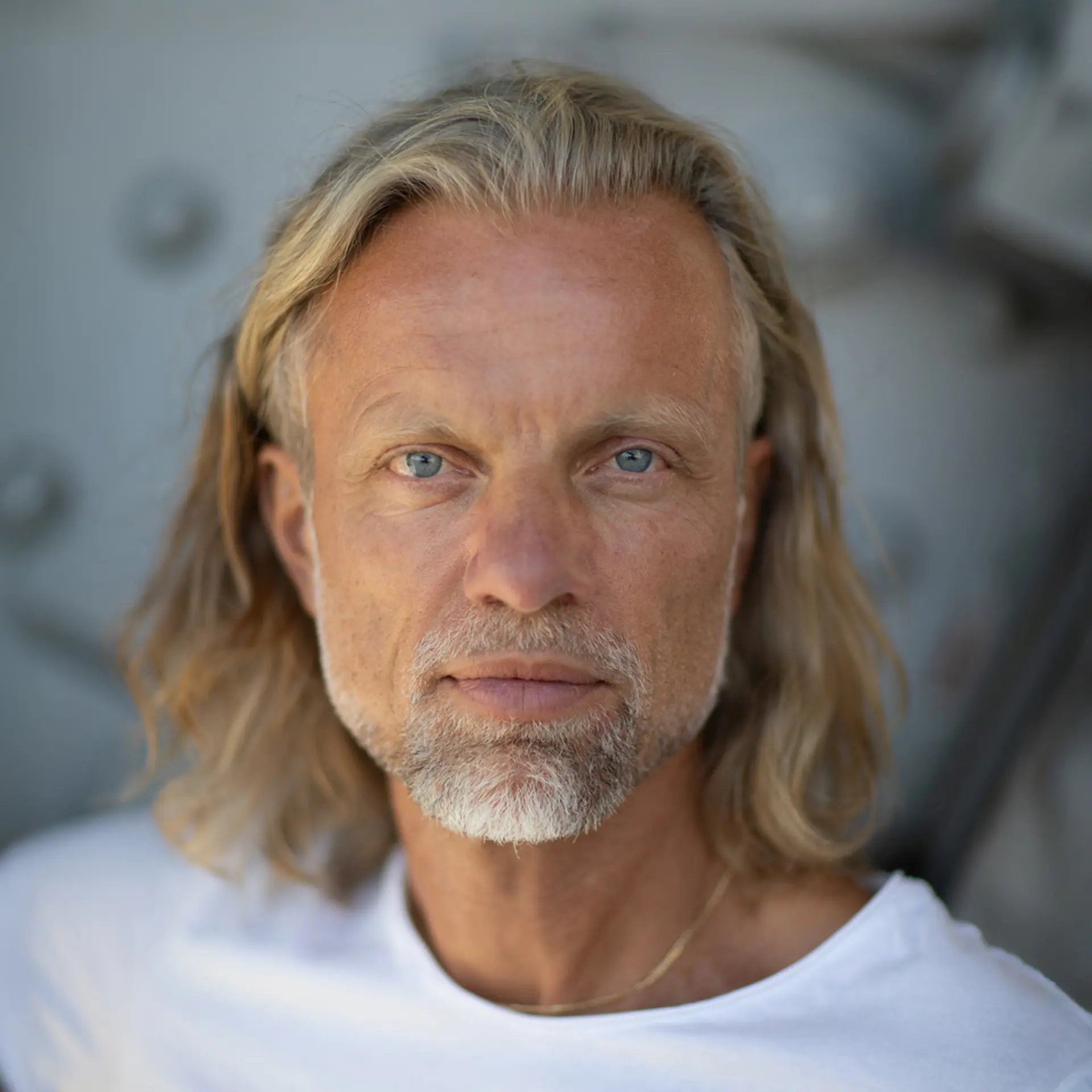
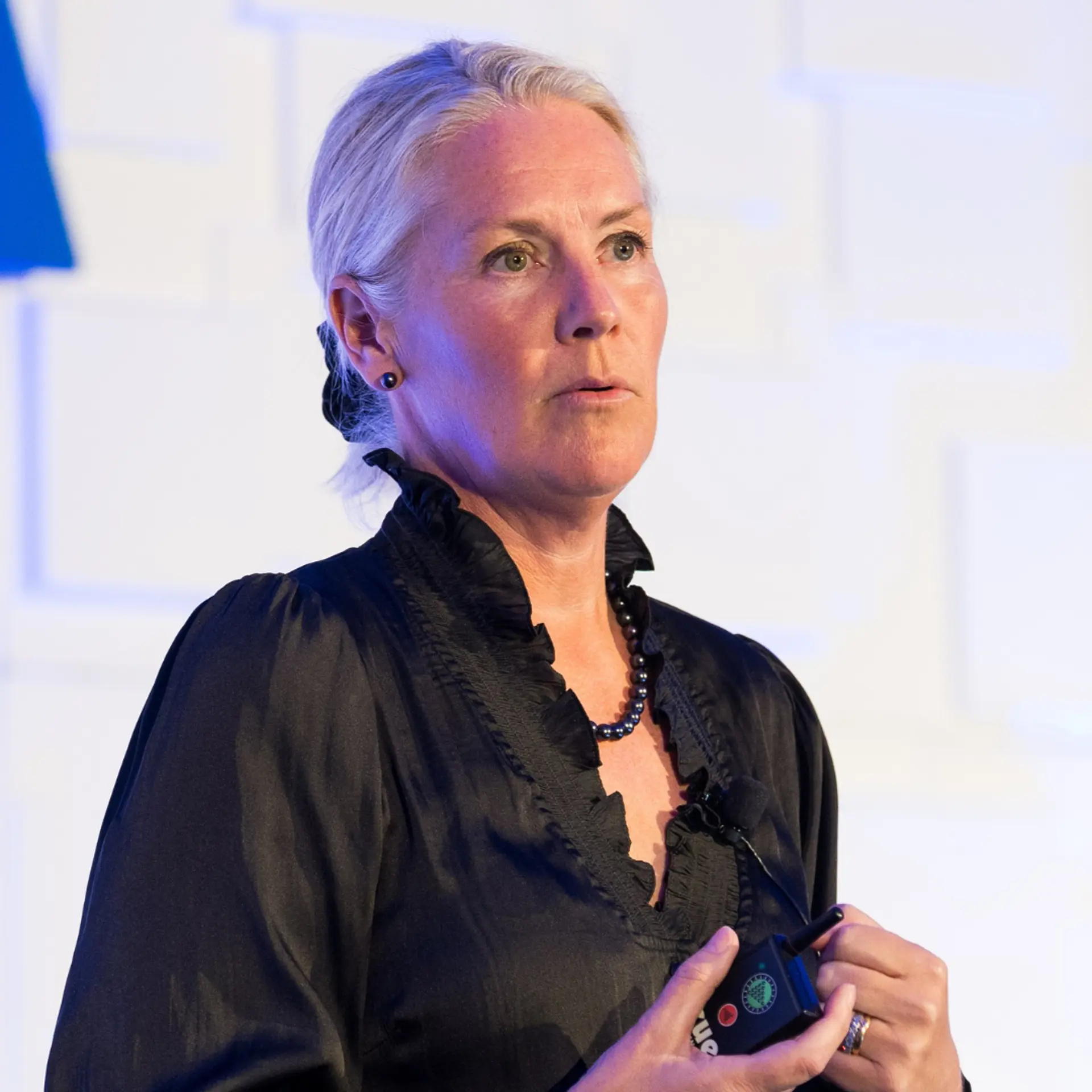
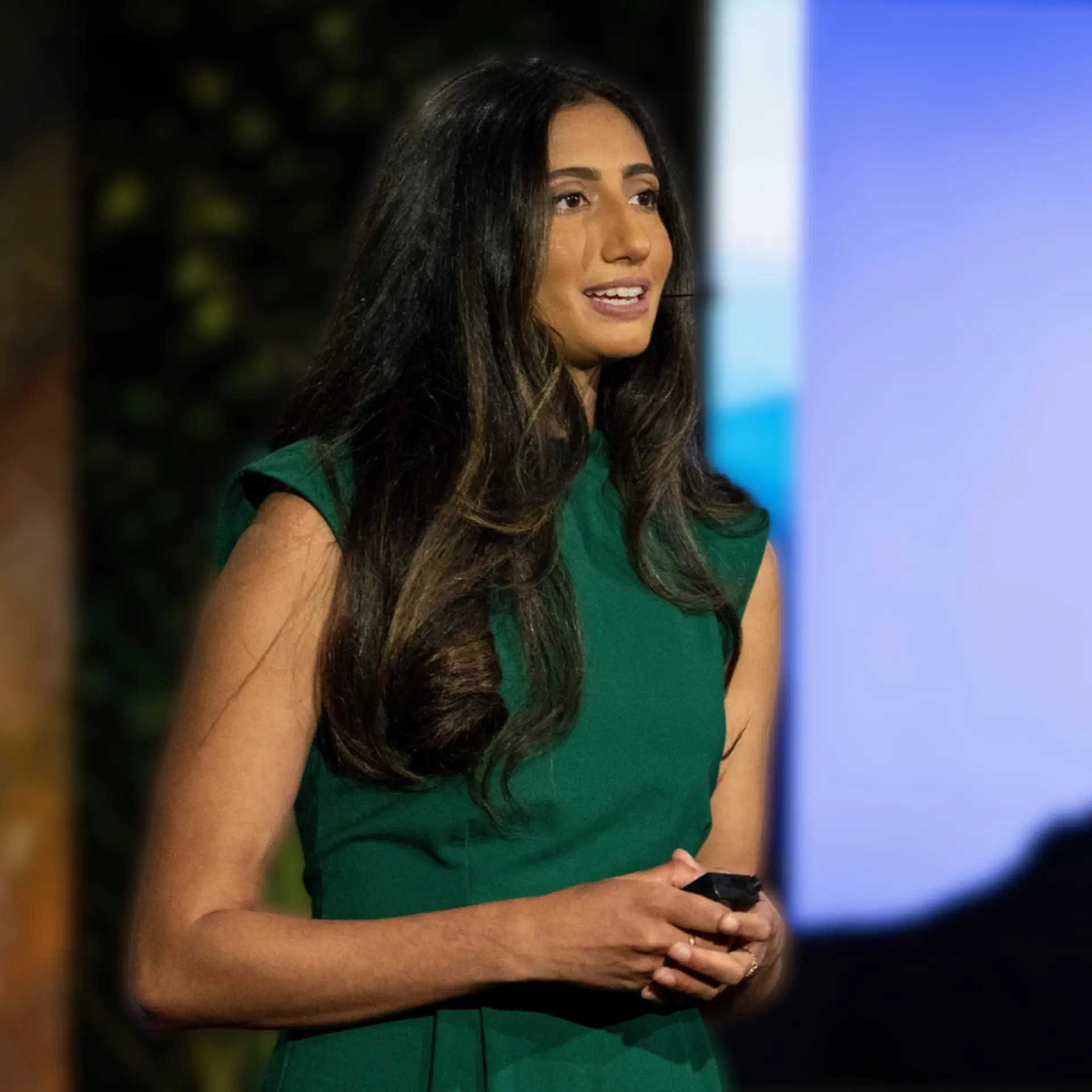
Circular economy is an economic model focused on minimizing waste and making the most of resources. Instead of the traditional “take-make-dispose” approach, circular systems emphasize reuse, recycling, and regeneration. This shift is highly relevant as businesses and societies face growing environmental challenges, resource limitations, and stricter regulations. By adopting circular principles, organizations can reduce costs, enhance brand value, and unlock new revenue streams while contributing to a more sustainable future.
Which topics do our keynotes on Circular Economy cover?
Circular economy is a broad field that touches on strategy, innovation, and sustainability. Our keynotes cover essential themes that help organizations implement circular principles effectively:
Circular business models and innovation
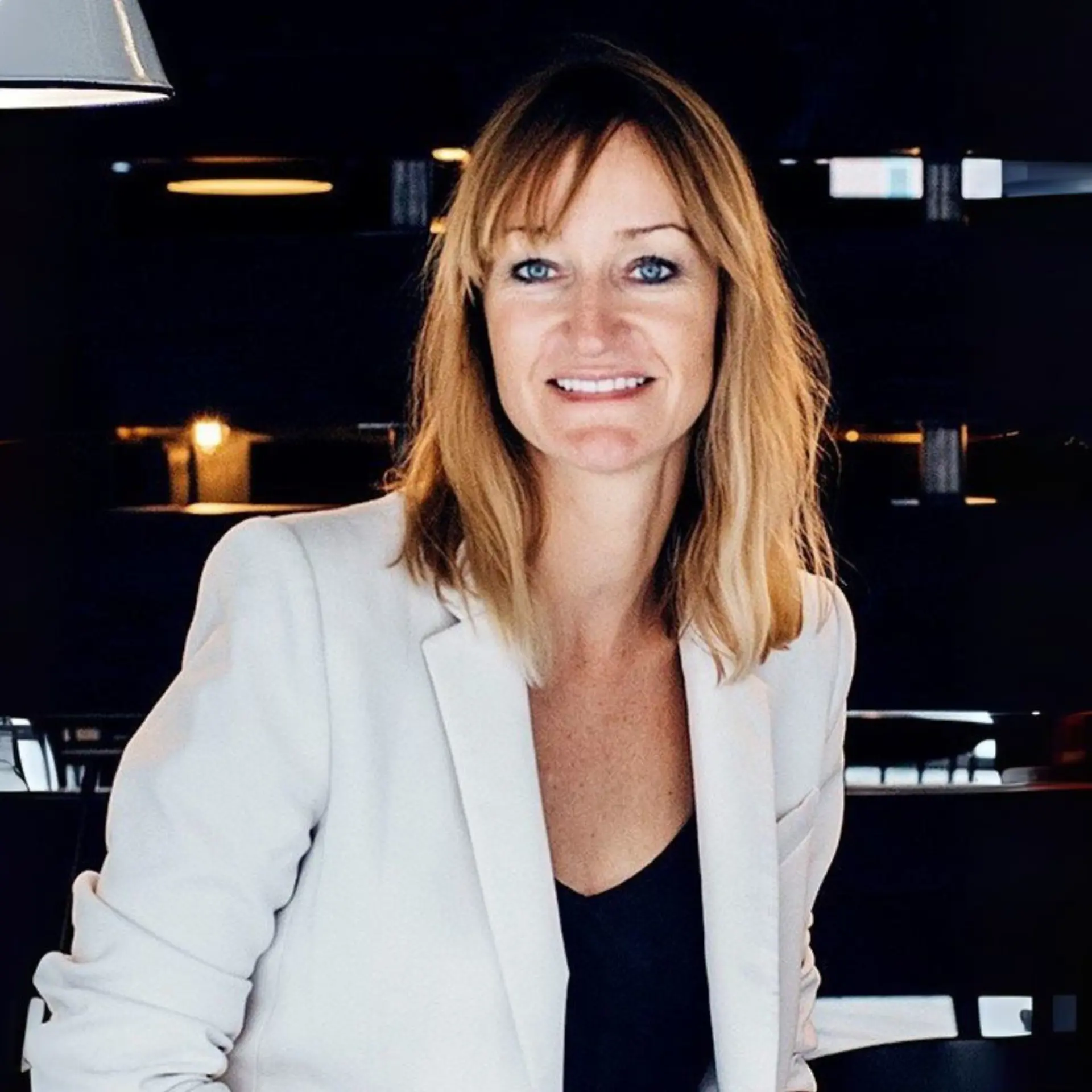
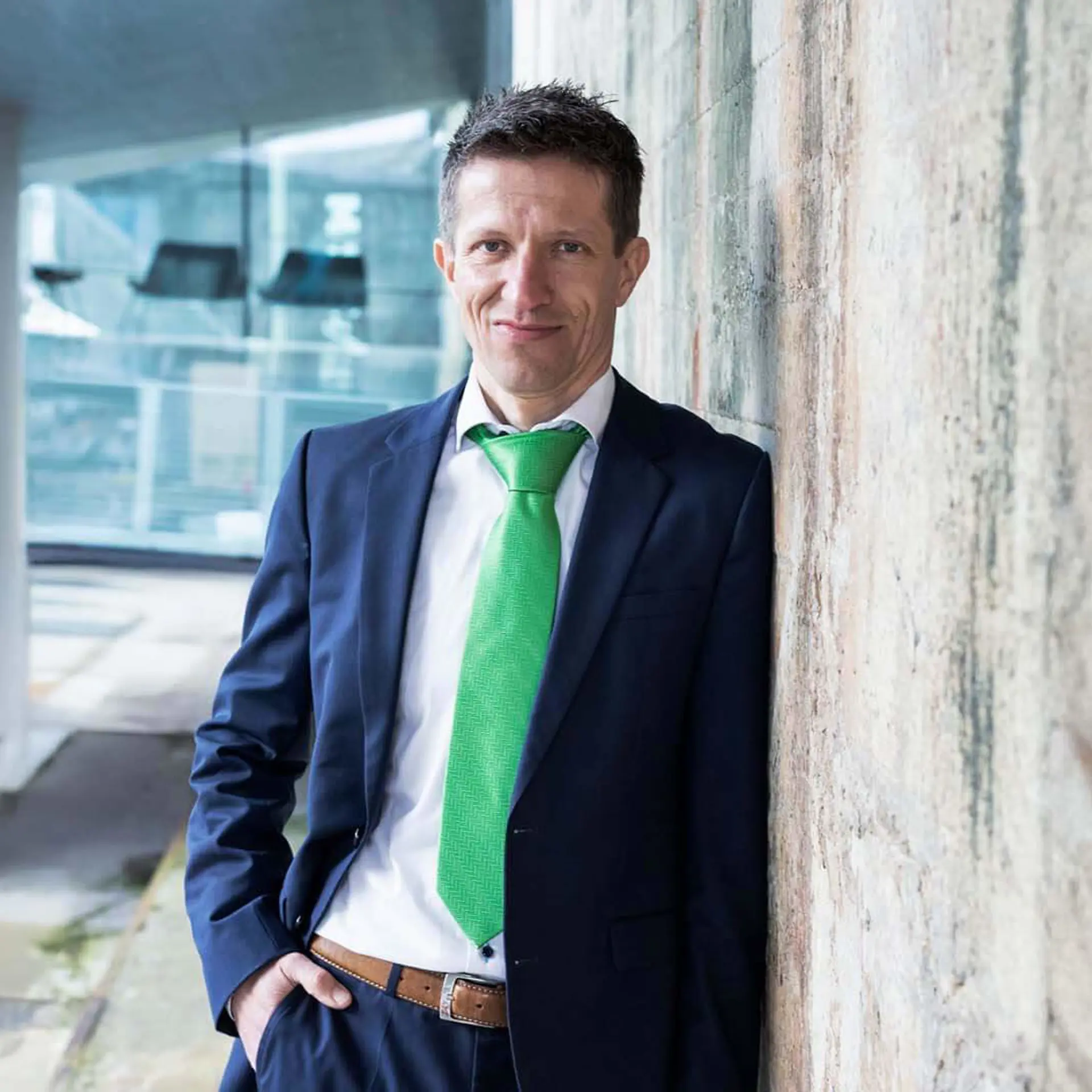
Rethinking how value is created is central to circular economy, where reuse, repair, and service-based models replace traditional ownership. This approach opens new revenue streams while reducing environmental impact and resource dependency. Maayke-Aimée Damen explores how organizations can implement circular business models that balance profitability with sustainability. The focus is on turning innovation into scalable solutions that create long-term competitive advantage.
Sustainable leadership and strategy
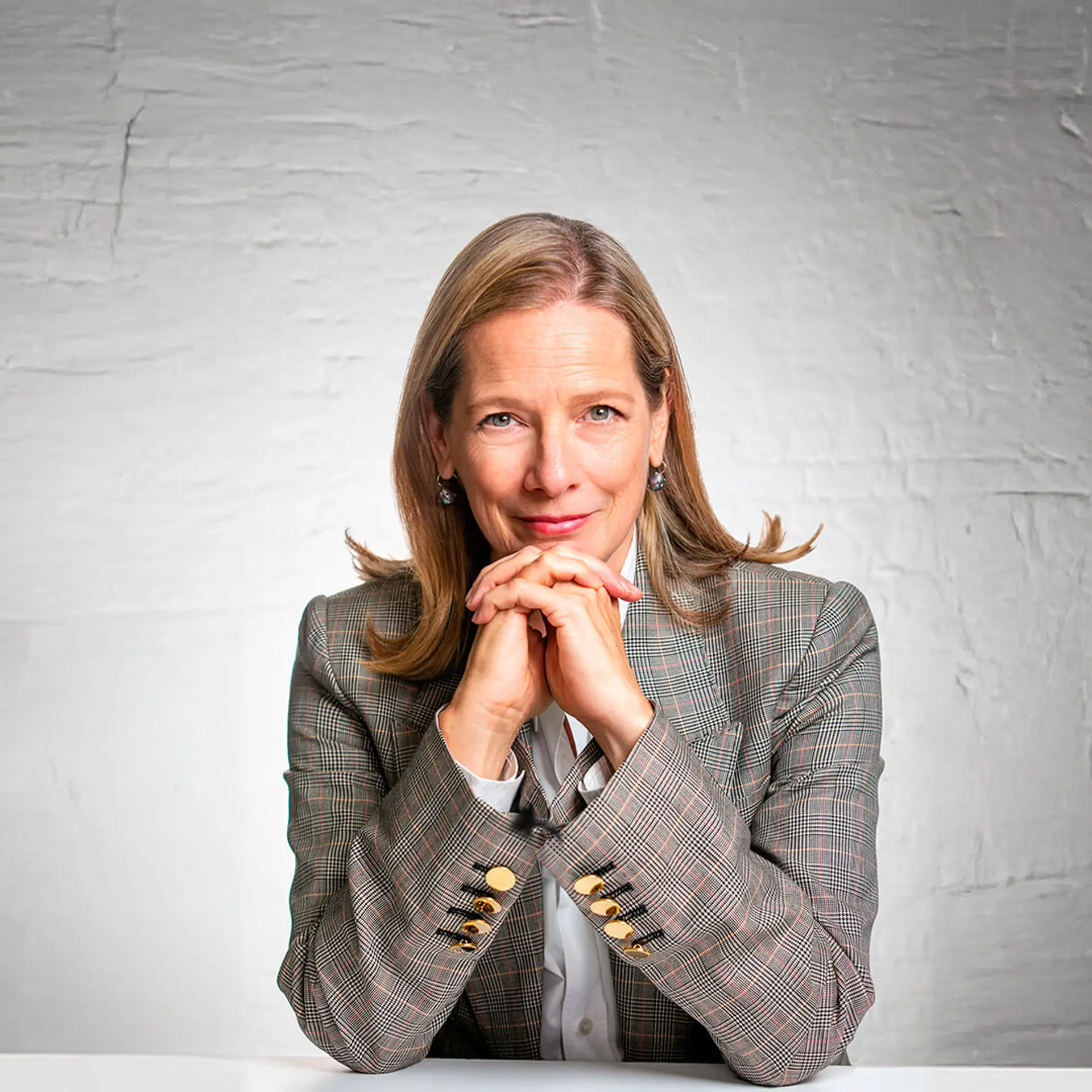
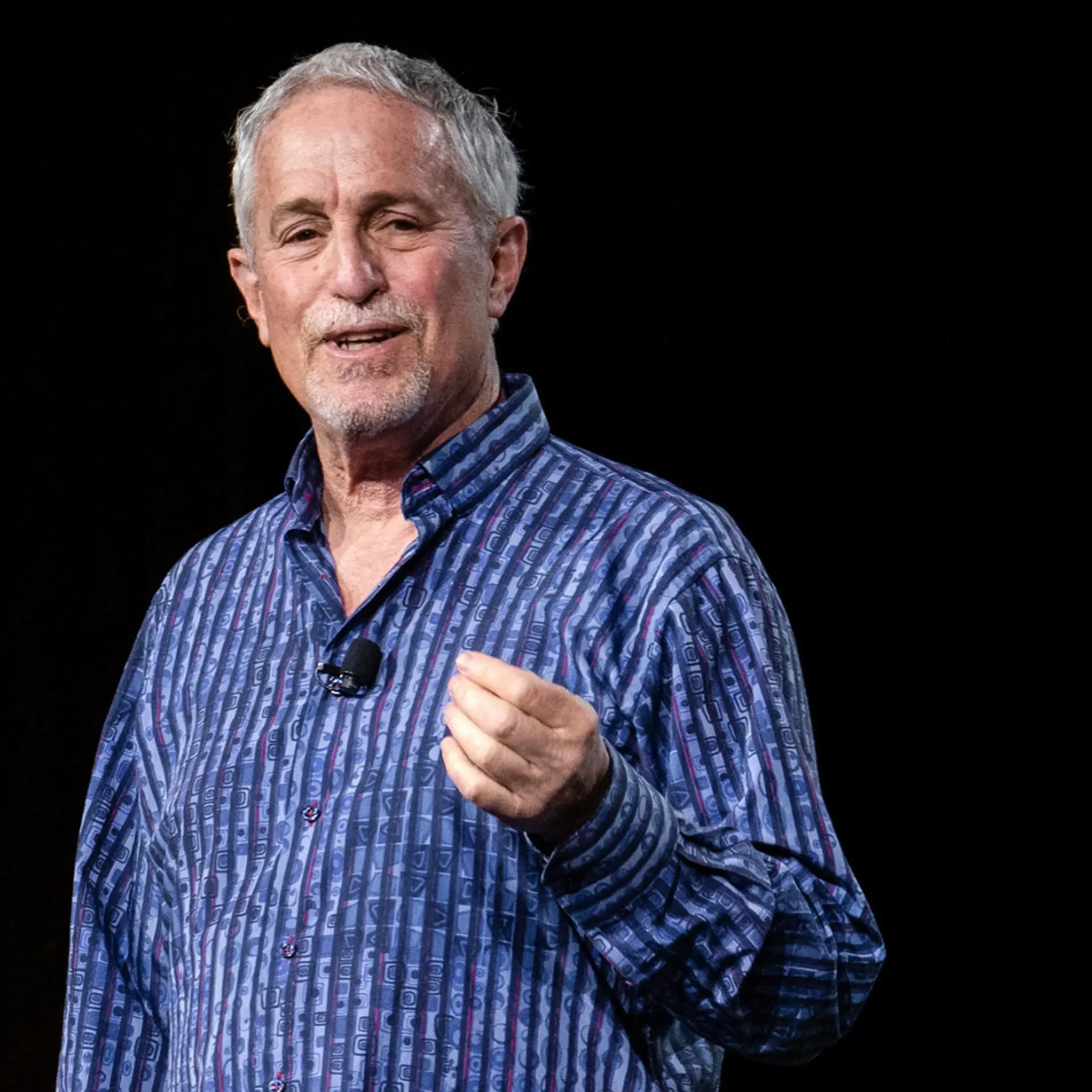
Strong leadership is essential when embedding circular principles into core business strategy and culture. It requires aligning sustainability goals with measurable outcomes and organizational priorities. Pia Heidenmark Cook addresses how leaders can translate sustainability ambitions into tangible business value and long-term growth. This perspective helps organizations move from intention to execution with clarity and accountability.
Climate impact and resource management
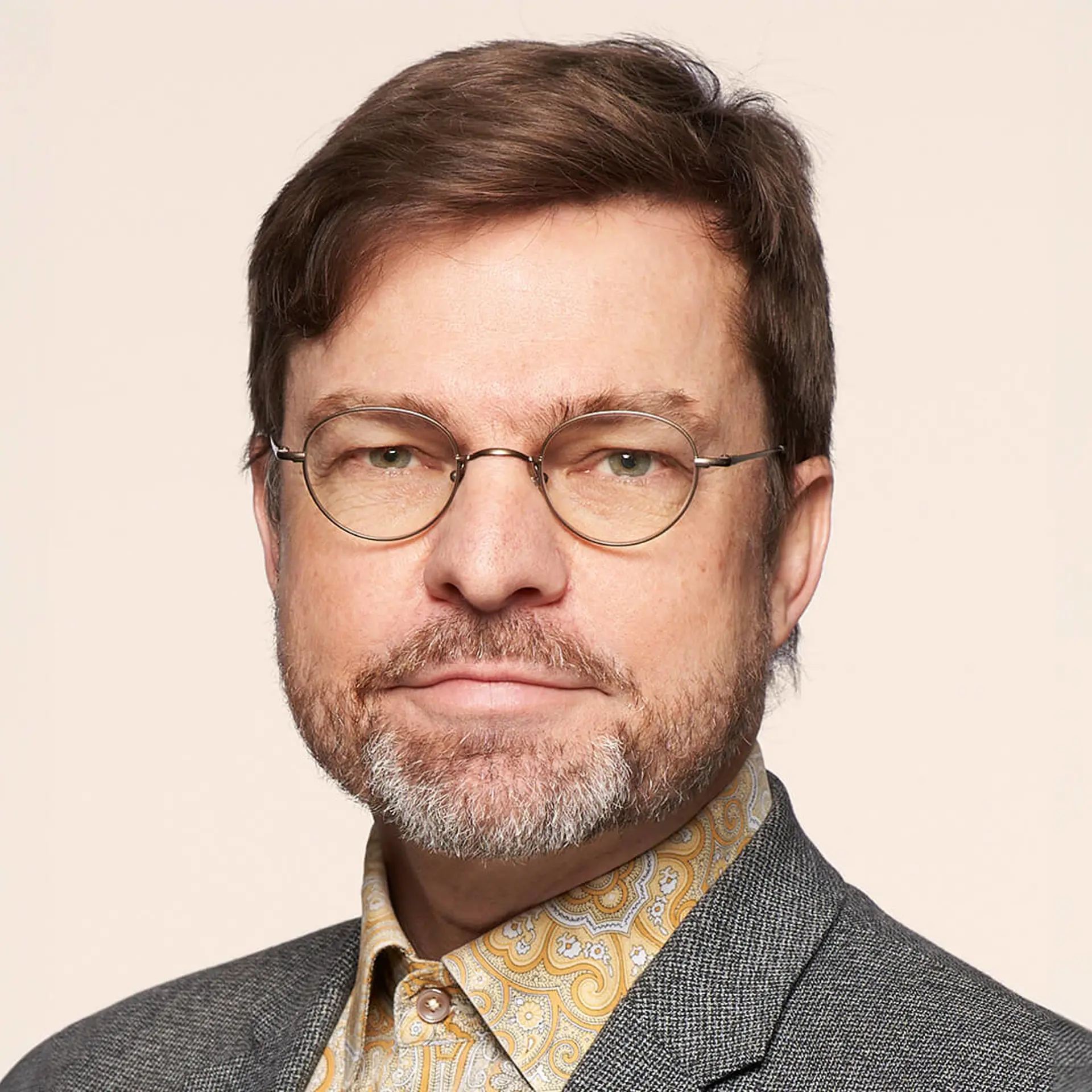
Efficient use of resources and reducing environmental impact are key drivers behind circular economy initiatives. Organizations must rethink supply chains, materials, and production processes to minimize waste and emissions. Dr. Stanislav Edward Shmelev brings an economic and systems-based perspective to how circular strategies can support both ecological balance and financial resilience. This creates a stronger foundation for sustainable decision-making.
Circular design and behavioral change
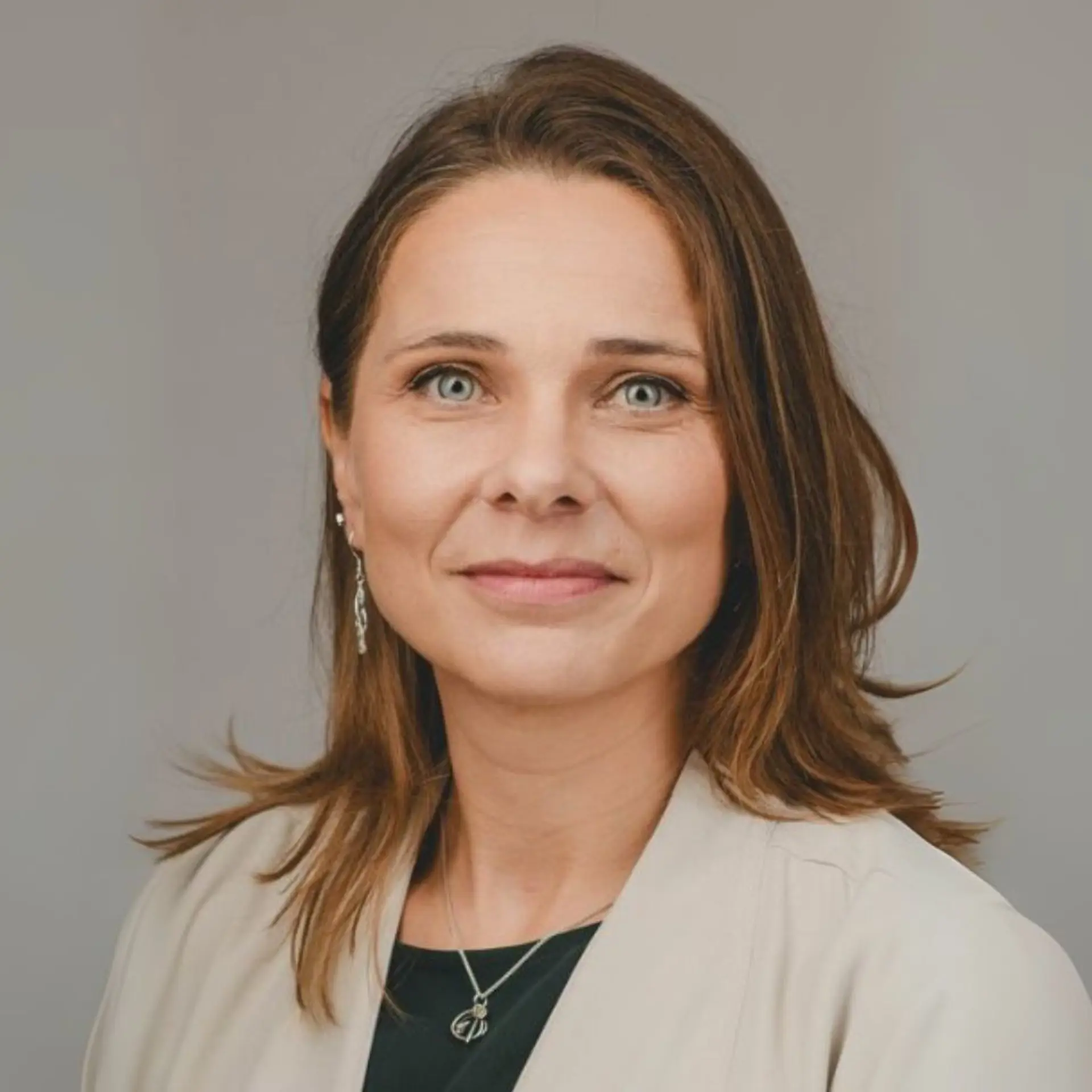
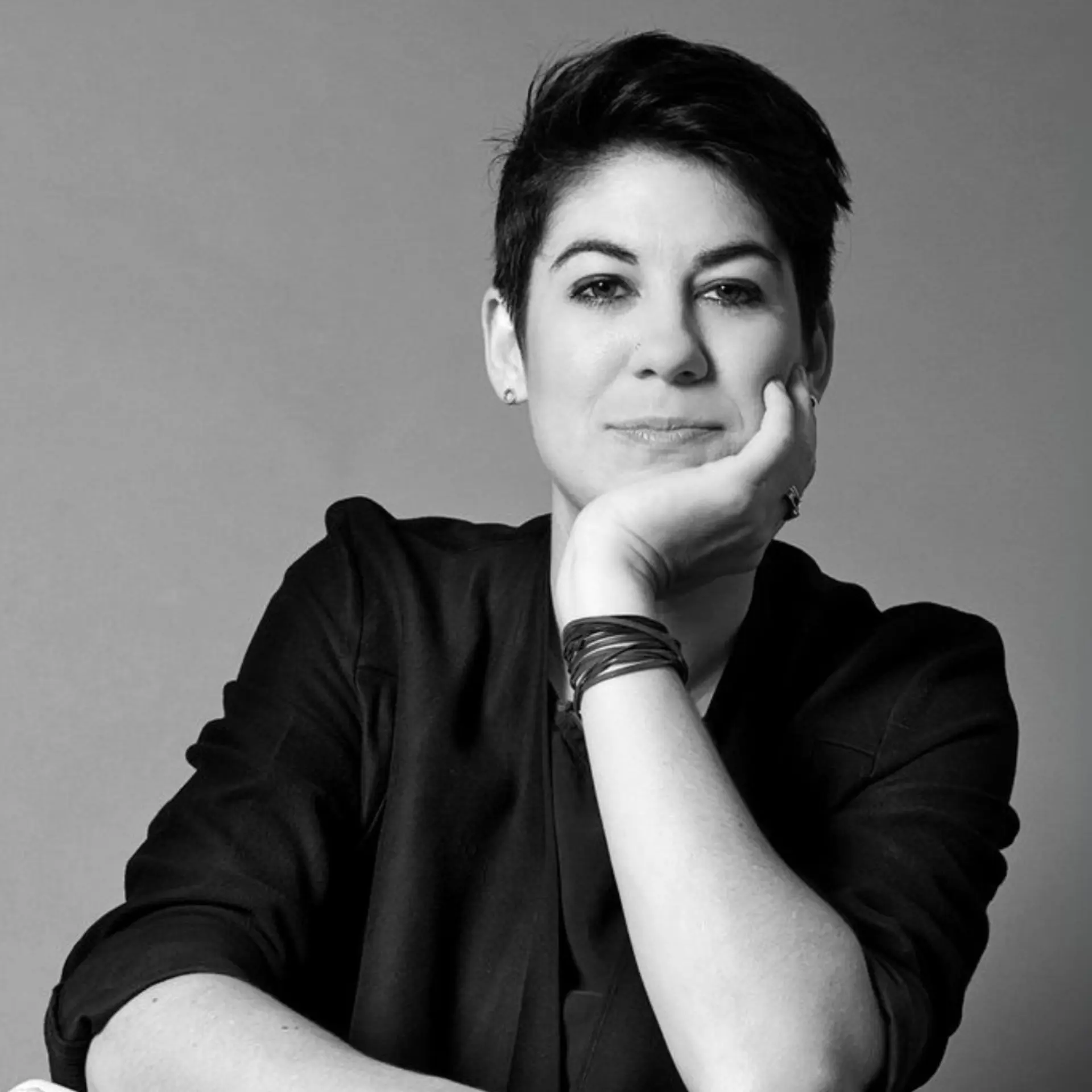
Design plays a crucial role in shaping how products are produced, used, and reused within a circular system. At the same time, shifting consumer and organizational behavior is necessary to support these changes. Leyla Acaroglu examines how design thinking and behavioral insights can accelerate the transition to circular practices. This approach encourages innovation that is both practical and impactful across industries.
Waste reduction and zero-waste strategies
Minimizing waste is one of the most tangible entry points into circular economy. Organizations can significantly reduce costs while improving sustainability by rethinking consumption and disposal patterns. Bea Johnson highlights how zero-waste principles can be applied in both personal and professional contexts to drive meaningful change. The result is a more efficient and responsible approach to resource management.
Benefits of a keynote on Circular Economy
A keynote on circular economy provides your organization with a clear framework for sustainable growth. You gain actionable insights into reducing waste, optimizing resources, and creating innovative business models. It also strengthens your organization’s ability to meet regulatory requirements and stakeholder expectations. Ultimately, you will be better equipped to turn sustainability challenges into strategic opportunities while positioning your brand as responsible and forward-thinking.
Other relevant keynotes within sustainability
If you are interested in circular economy, you may also benefit from exploring related topics such as sustainability, ESG (Environmental, Social, and Governance), green itechnology, and climate change. These areas complement circular strategies and provide a broader understanding of responsible business practices. Expanding your knowledge across these topics can help you build a more holistic and future-ready organization.
Contact us today to find the speaker who matches your needs and ambitions, and take the next step toward a more sustainable future.
How to Book a Speaker
Booking a speaker with A-Speakers is a simple and tailored process that ensures your event receives the perfect angle on the topic. Start by sharing your needs with us, such as event type, preferred speaker, and budget, via email or phone. We then match your requirements with the competencies of our experts and present the ideal candidate for your audience. Once the details are agreed upon, we draw up a contract and collaborate on the further planning to ensure a successful execution. After the keynote has taken place, we of course follow up and evaluate your satisfaction. Book your speaker today.
- Tell us your wishes and needs: Give us a short description of your event, and feel free to include your wishes for a topic or specific speaker, so we can advise you in the best way possible.
- Get a tailored recommendation: Our skilled speaker consultants base their suggestions on your needs and help you choose the speaker that best matches your criteria and budget.
- Formalize the agreement: Once we've found the perfect speaker for your event, we prepare a contract that both parties sign.
- Planning and execution: We support you all the way and coordinate the details together to make the event a successful experience.
- Follow-up and evaluation: After the keynote, we naturally follow up to see if the event lived up to expectations.
Contact us today to find the speaker that matches your needs and vision. Book a speaker now and take the next step toward a stronger future.