Diplomacy is the practice of managing relationships, negotiations and communication between people, organizations and nations. It is built on dialogue, trust and the ability to navigate different interests and perspectives in constructive ways. Diplomacy is often associated with international politics, but its principles are equally relevant in business, leadership and intercultural collaboration.
The topic is increasingly relevant because organizations today operate in a global environment shaped by rapid change, geopolitical uncertainty and cultural diversity. Strong diplomatic skills can improve communication, reduce conflict and create better conditions for long-term partnerships and strategic cooperation.
Which topics do our keynotes on Diplomacy cover?
Diplomacy covers negotiation, communication, international relations and intercultural understanding. Our keynote speakers explore how diplomacy strengthens collaboration, leadership and strategic thinking in complex environments. Below are some of the topics covered in our keynotes on diplomacy:
Global leadership and public diplomacy
Public diplomacy focuses on how trust, visibility and communication shape cooperation across borders. It is especially relevant when leaders need to engage diverse audiences, manage expectations and build credibility. Rufus Gifford brings this perspective into keynotes on diplomacy, leadership and public engagement. The topic connects international relations with the leadership choices that influence collaboration every day.
Cultural diplomacy and peacebuilding
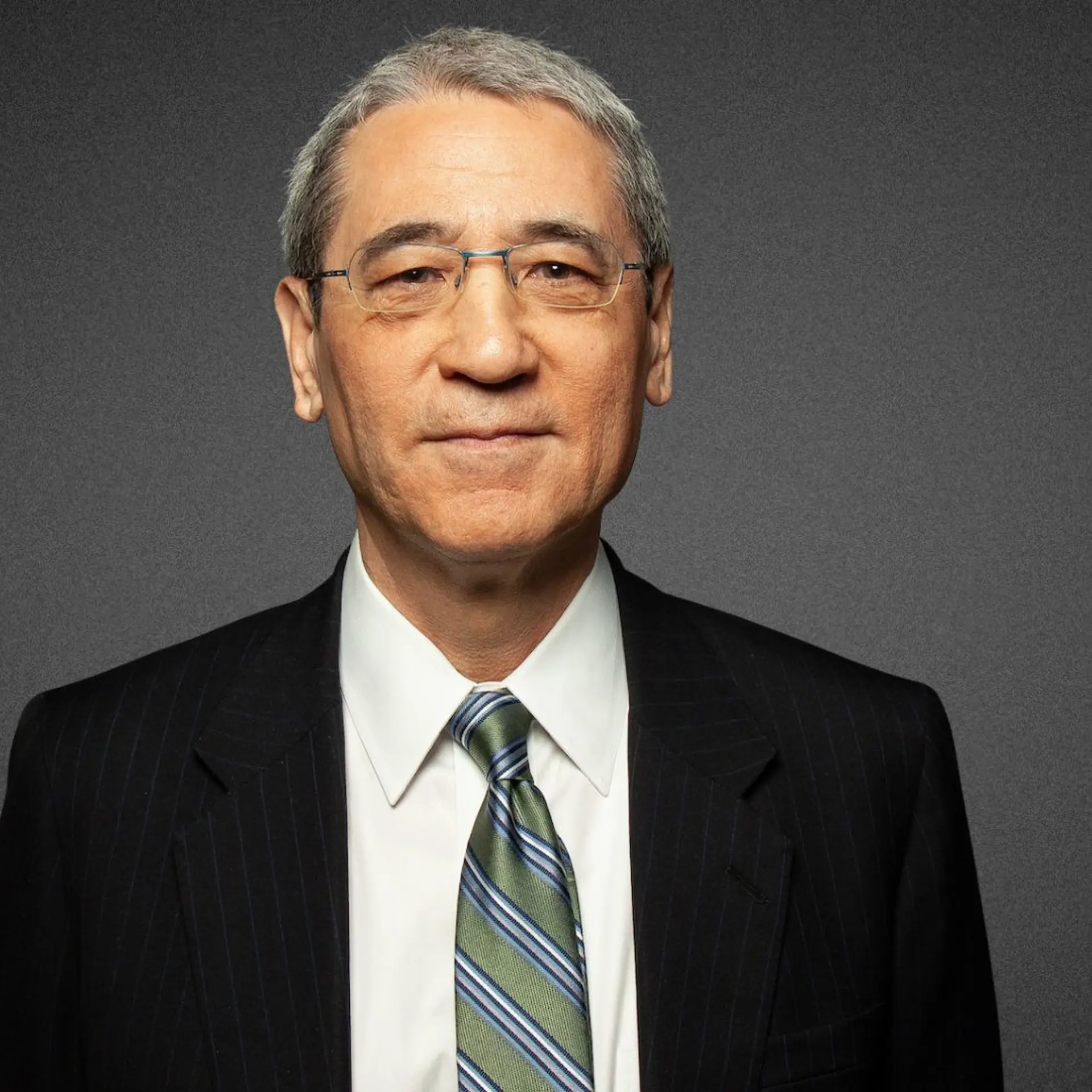
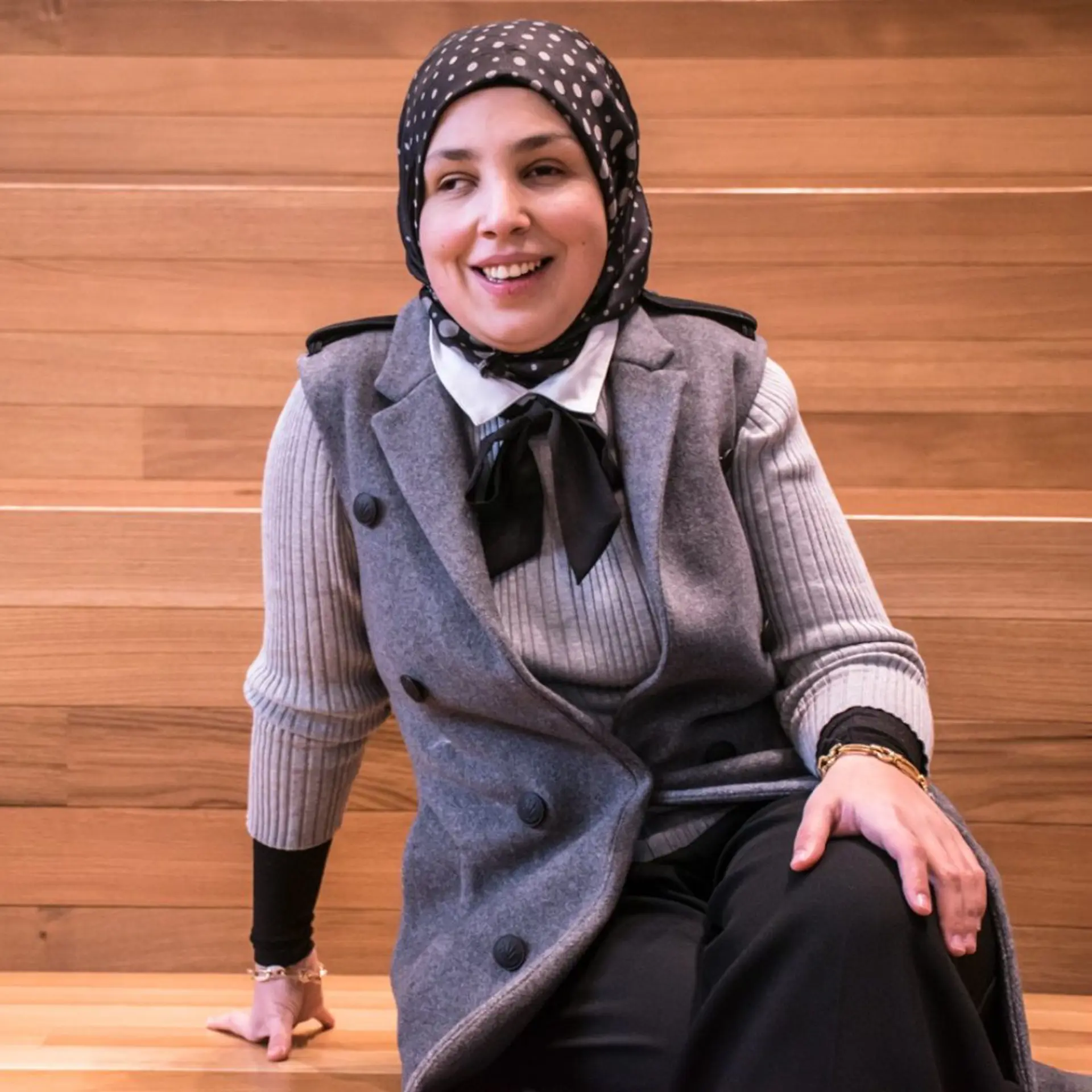
Cultural diplomacy uses dialogue, shared experiences and human understanding to bridge divides. It plays an important role in peacebuilding, intercultural collaboration and organizations working across different communities. Aziz Abu Sarah speaks on these themes through world peace and cultural diplomacy. The topic shows how empathy and communication can become practical tools for cooperation.
Geopolitical strategy and global power shifts
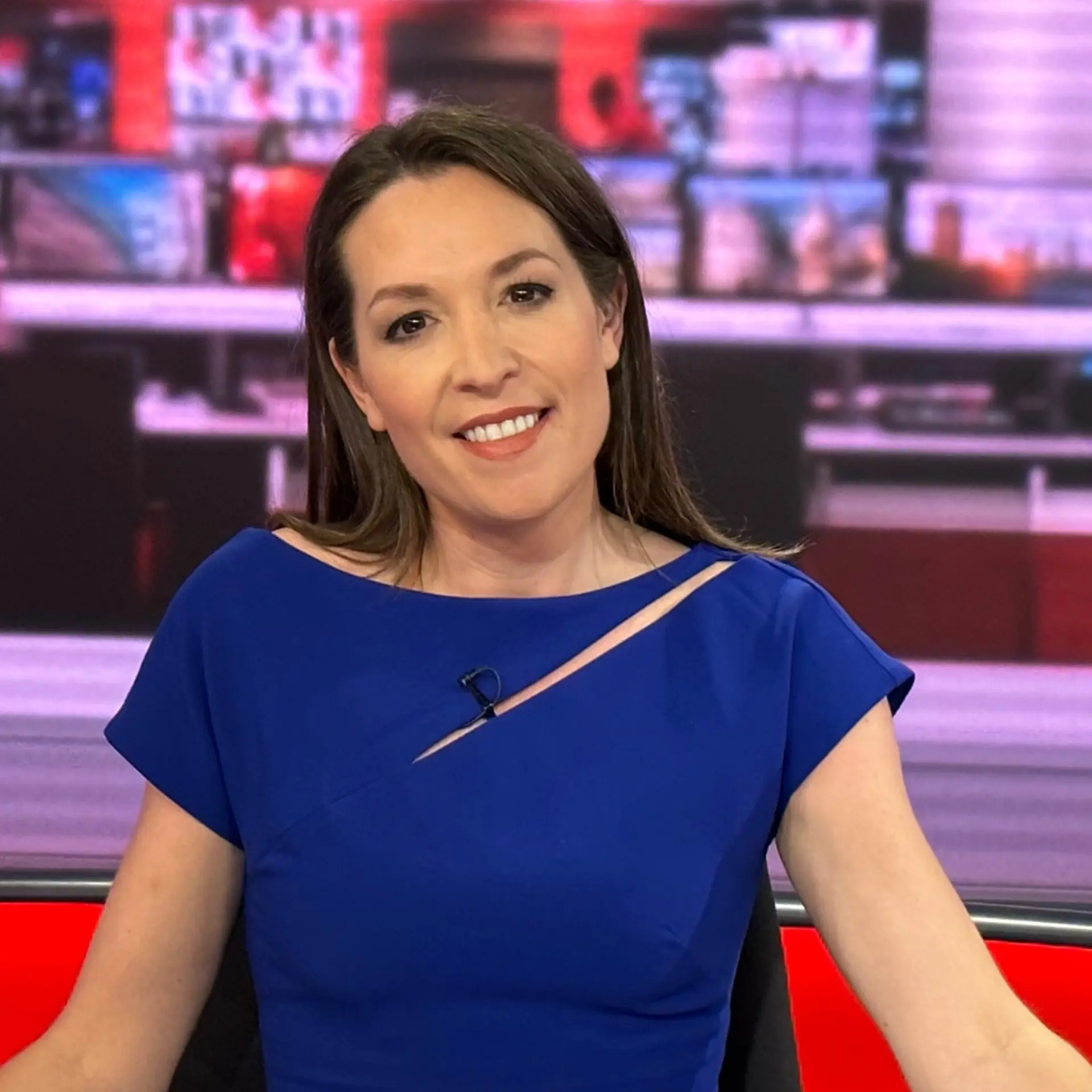
Geopolitical strategy helps organizations understand how global power shifts affect markets, security and decision-making. This topic is relevant for leaders who need to interpret political change and prepare for uncertainty. John Kampfner contributes insight into foreign affairs, European strategy and global power dynamics. The focus is on making diplomacy easier to understand in a rapidly changing world.
Negotiation and influence under pressure
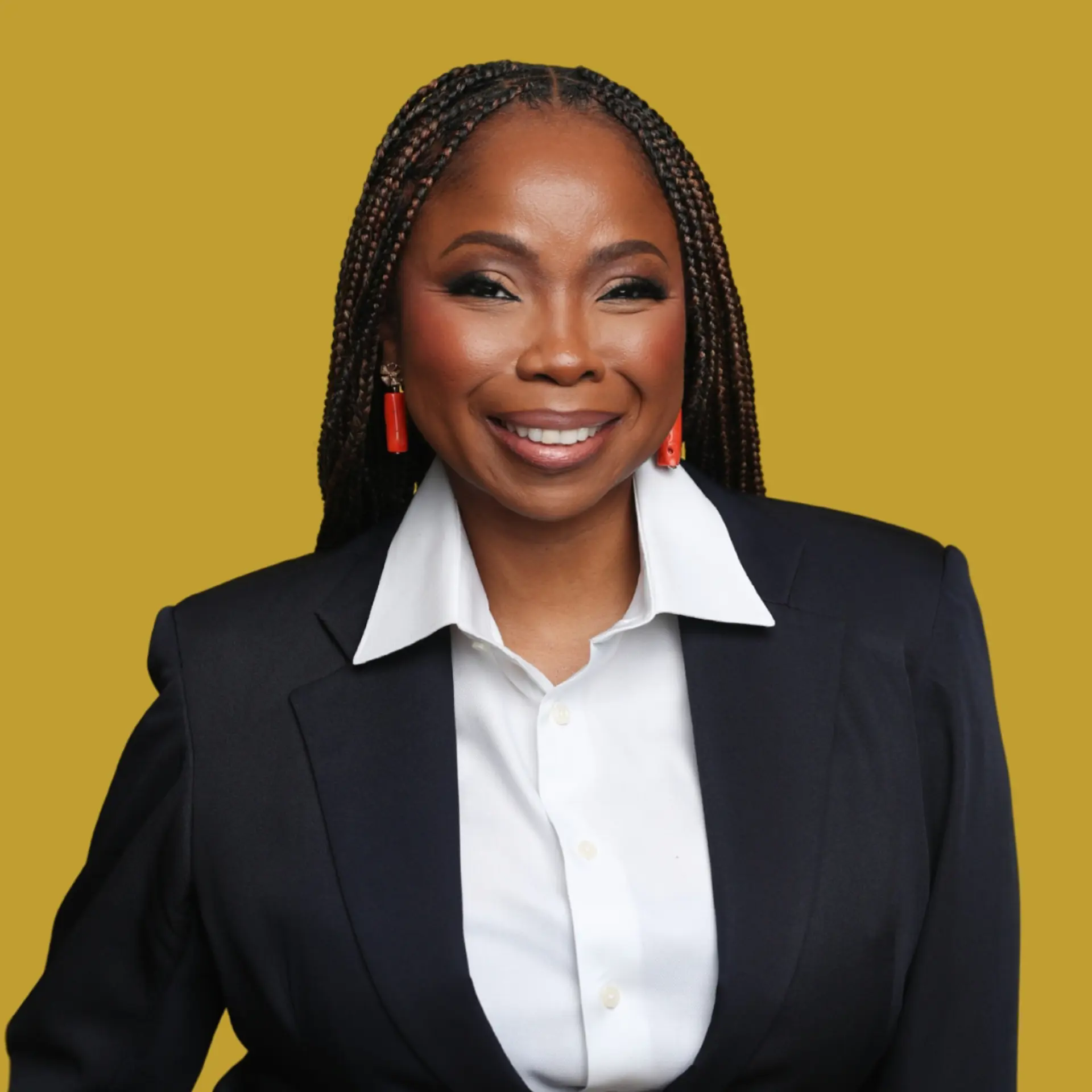
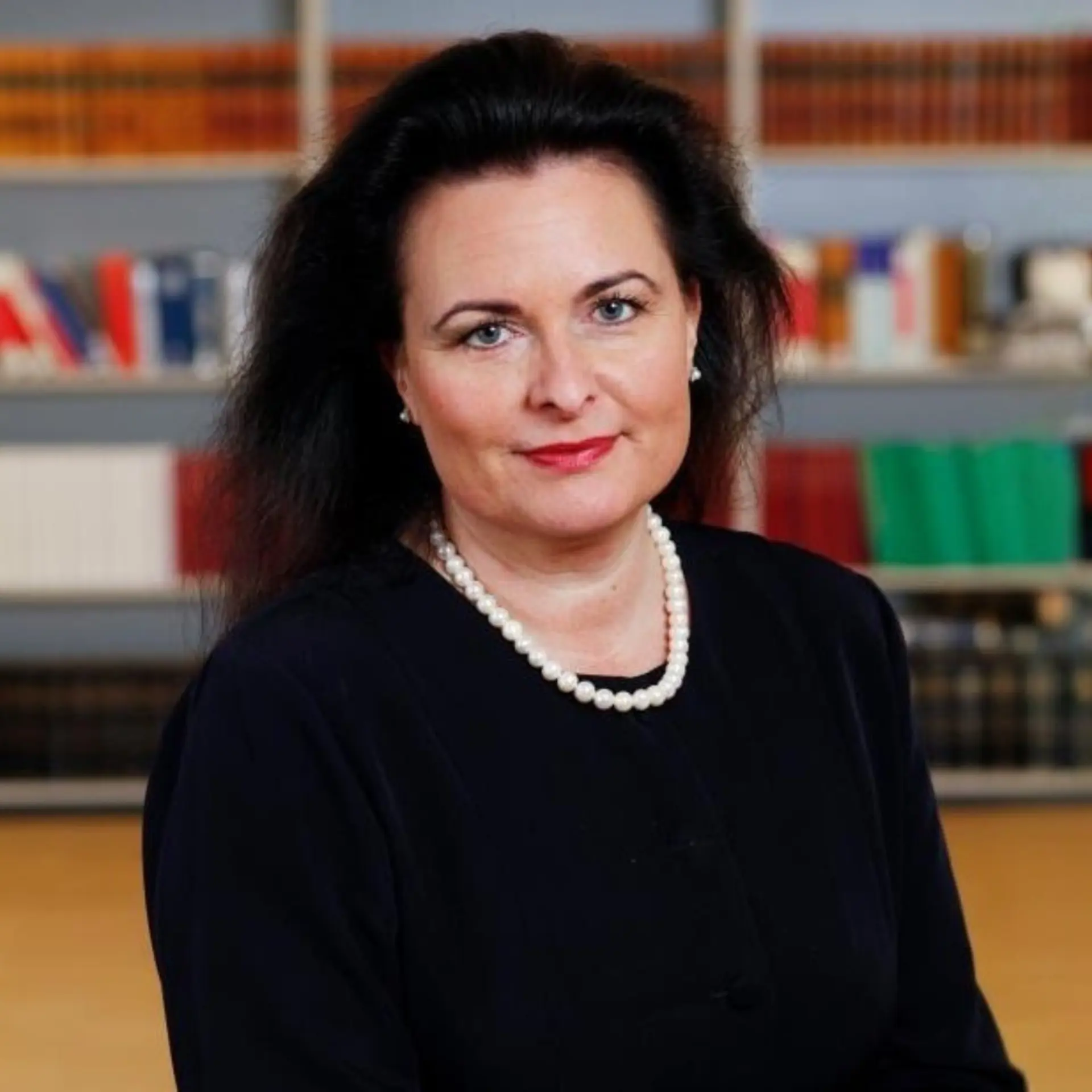
Diplomacy often depends on negotiation when interests conflict and the stakes are high. This topic explores how preparation, trust and communication influence outcomes in complex situations. Fiorella Larissa Erni connects this theme to experience from conflict zones and boardrooms. It makes negotiation relevant for leaders facing pressure, complexity and difficult decisions.
International political strategy and transatlantic relations
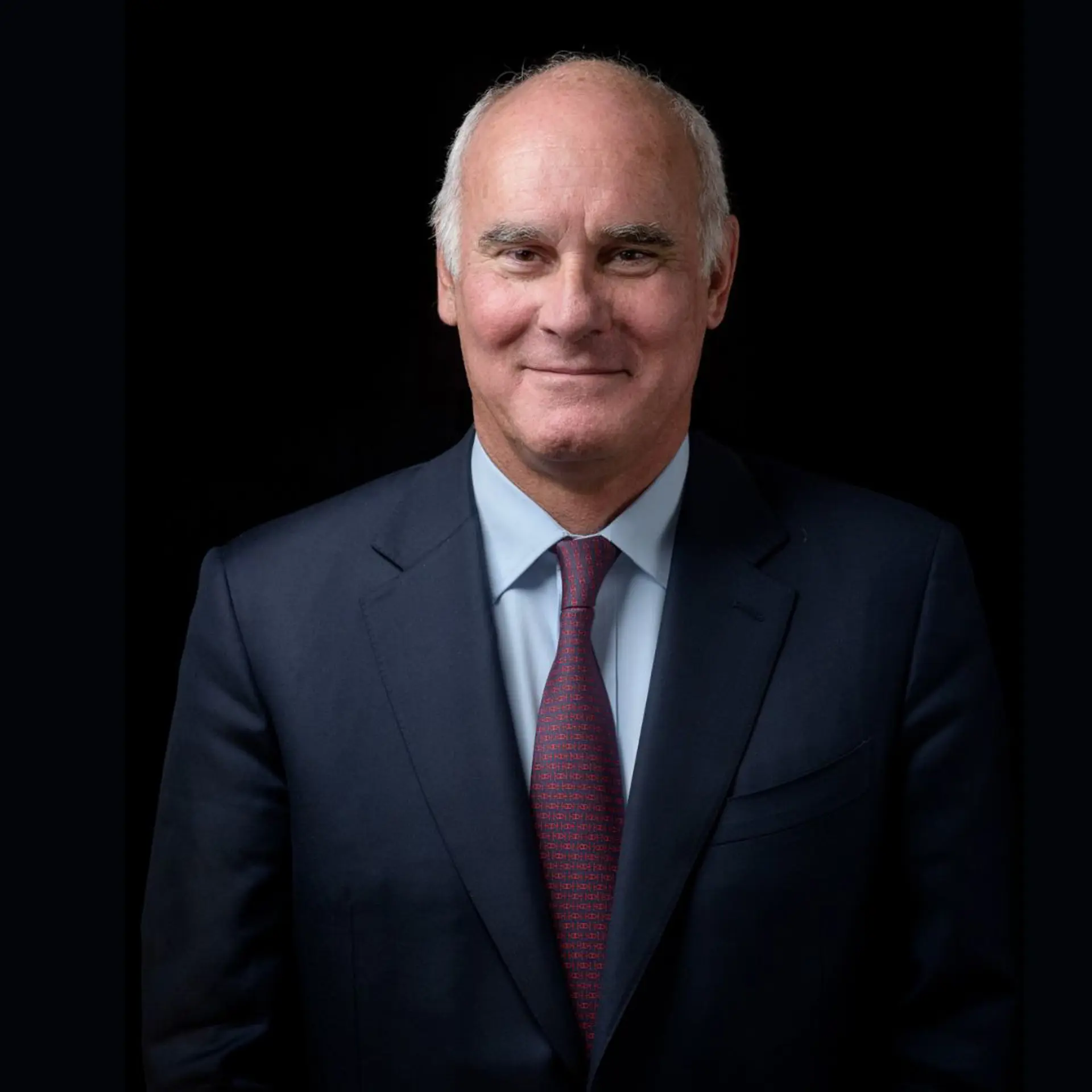
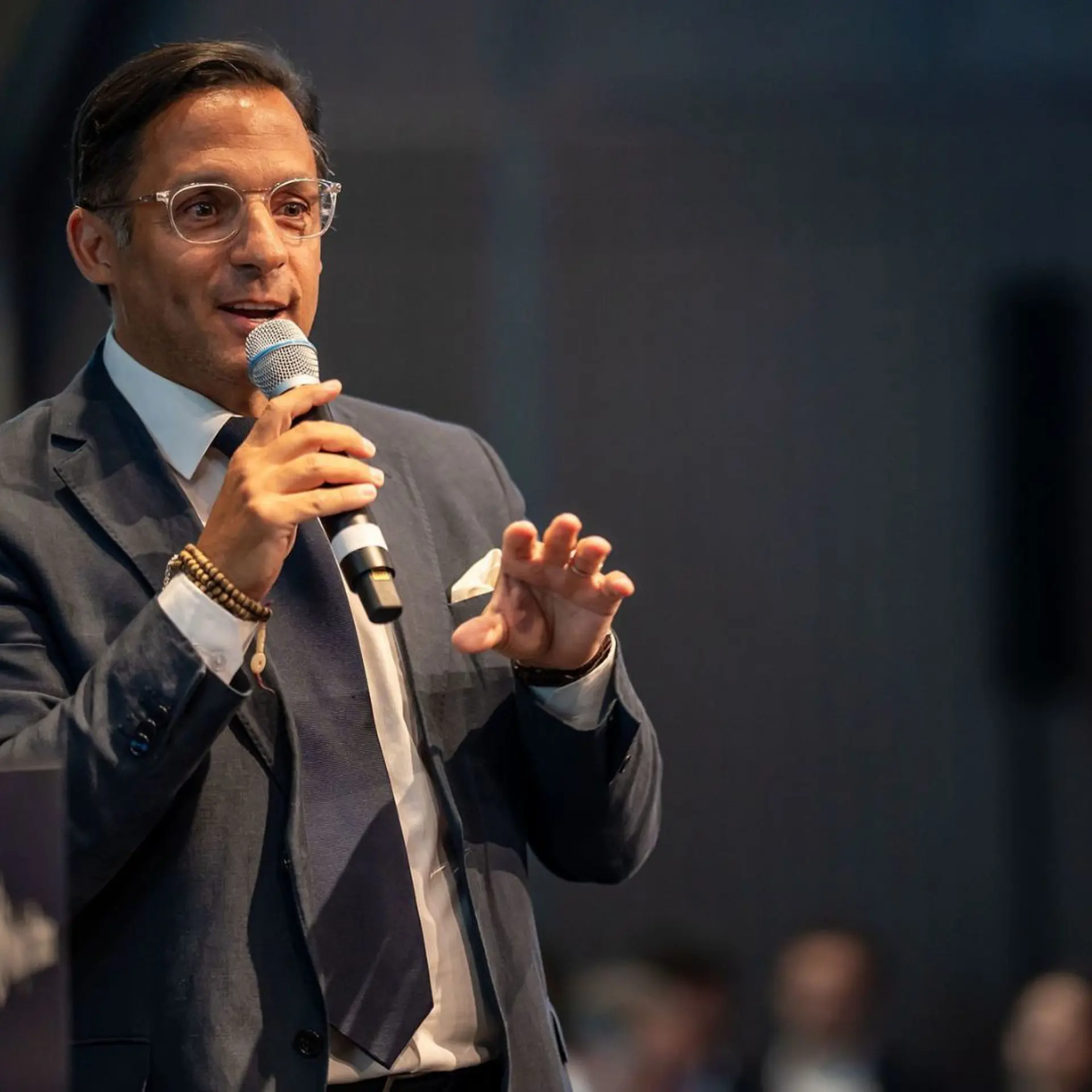
International political strategy is about understanding alliances, institutions and the frameworks that guide global cooperation. Transatlantic relations remain central to many discussions on security, trade and diplomacy. João Vale de Almeida brings direct diplomatic insight into these international structures. The topic helps audiences see how high-level diplomacy affects the conditions organizations operate within.
Benefits of a keynote on Diplomacy
A keynote on diplomacy helps organizations strengthen communication, collaboration and strategic thinking in international and complex environments. Audiences gain insight into negotiation, cultural understanding and relationship-building that can improve both leadership and cooperation across borders.
These keynotes also provide valuable perspectives on geopolitical developments, trust and long-term partnership building. By combining practical tools with global insight, the speakers help organizations navigate uncertainty and create stronger professional relationships in a connected world.
Other relevant keynotes within leadership and international collaboration
Relevant related topics include communication, cross culture, leadership, negotiation, diversity, equity, and inclusion, geopolitics and conflict management. These keynotes help organizations strengthen collaboration, cultural understanding and strategic communication in international environments. Booking several related keynotes for the same event can create a stronger programme with complementary perspectives on leadership, negotiation and global cooperation.
Contact us today to find the keynote combination that best matches your goals and audience.
How to Book a Speaker
Booking a speaker with A-Speakers is a simple and tailored process that ensures your event receives the perfect angle on the topic. Start by sharing your needs with us, such as event type, preferred speaker, and budget, via email or phone. We then match your requirements with the competencies of our experts and present the ideal candidate for your audience. Once the details are agreed upon, we draw up a contract and collaborate on the further planning to ensure a successful execution. After the keynote has taken place, we of course follow up and evaluate your satisfaction. Book your speaker today.
- Tell us your wishes and needs: Give us a short description of your event, and feel free to include your wishes for a topic or specific speaker, so we can advise you in the best way possible.
- Get a tailored recommendation: Our skilled speaker consultants base their suggestions on your needs and help you choose the speaker that best matches your criteria and budget.
- Formalize the agreement: Once we've found the perfect speaker for your event, we prepare a contract that both parties sign.
- Planning and execution: We support you all the way and coordinate the details together to make the event a successful experience.
- Follow-up and evaluation: After the keynote, we naturally follow up to see if the event lived up to expectations.
Contact us today to find the speaker that matches your needs and vision. Book a speaker now and take the next step toward a stronger future.