Intercultural competence is the ability to understand, respect, and effectively interact with people from different cultural backgrounds. It involves awareness of cultural differences, strong communication skills, adaptability, and the ability to build meaningful relationships across diverse environments.
The topic is increasingly relevant as globalization, remote work, international partnerships, and diverse workforces continue to reshape the modern workplace. Organizations that develop intercultural competence are often better equipped to collaborate across borders, attract and retain diverse talent, and create inclusive cultures where people can thrive. In a connected world, cultural understanding has become a critical business and leadership skill.
Which topics do our keynotes on Intercultural Competence cover?
Intercultural competence extends beyond understanding cultural differences. It involves developing the skills needed to communicate effectively, build trust, lead diverse teams, and create environments where different perspectives contribute to success. Below are some of the key themes explored in our keynotes on intercultural competence:
Intercultural Communication and Global Collaboration
Successful international collaboration depends on the ability to communicate clearly across cultural boundaries. Differences in communication styles, expectations, and social norms can create misunderstandings if they are not properly understood. In his keynote, Fons Trompenaars explores the frameworks and cultural dimensions that influence how people work and communicate across cultures. Audiences gain practical tools for building stronger relationships and improving collaboration in global environments.
Leading Diverse and Multicultural Teams
Organizations increasingly rely on teams composed of individuals with different cultural backgrounds, experiences, and perspectives. Effective leadership in these environments requires cultural awareness, adaptability, and the ability to create a shared sense of purpose. Chris Smit shares insights into intercultural leadership and how organizations can harness cultural diversity to improve performance and innovation. His keynote helps leaders create stronger and more inclusive teams.
Inclusion, Equity, and Cultural Understanding
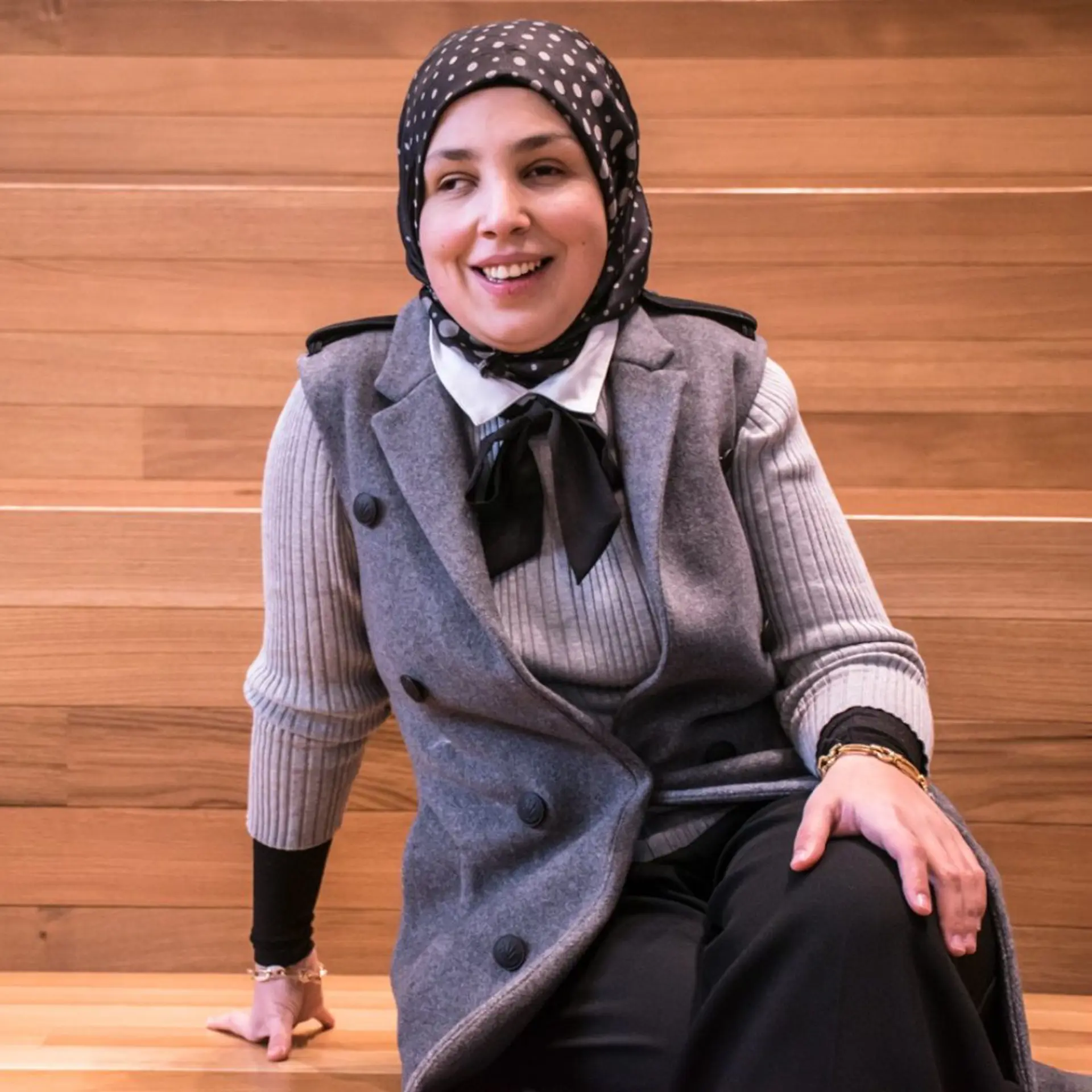
Intercultural competence is closely connected to creating environments where people feel valued, respected, and empowered to contribute. Understanding different experiences and perspectives can help organizations strengthen inclusion and foster greater engagement. In her keynote, Sara Minkara explores how inclusive leadership and cultural understanding can create opportunities for individuals and organizations alike. Her insights encourage audiences to build cultures where diversity becomes a source of strength.
Navigating Cultural Differences and Difficult Conversations
Cultural differences can sometimes lead to tension, misunderstandings, or challenges that are difficult to address openly. Organizations that develop the skills to navigate these situations constructively are often better equipped to build trust and maintain strong working relationships. Frank Garten examines how leaders and teams can approach sensitive conversations with confidence and respect while fostering stronger collaboration across differences. His keynote provides practical strategies for turning cultural challenges into opportunities for growth.
Benefits of a keynote on Intercultural Competence
A keynote on intercultural competence helps audiences develop the awareness, communication skills, and adaptability needed to succeed in diverse environments. Participants gain practical insights into cultural differences, leadership, inclusion, collaboration, and relationship-building across borders.
These keynotes can strengthen teamwork, improve communication, enhance customer relationships, and support more inclusive organizational cultures. Whether the goal is to improve global collaboration, lead multicultural teams, or foster greater understanding, a keynote on intercultural competence provides valuable tools for success in today's interconnected world.
Other relevant keynotes within Intercultural Competence
Organizations interested in intercultural competence often also explore related topics such as Diversity, Equity, and Inclusion, Cross Culture, Cultural Intelligence, Communication, Leadership, and Workplace Culture. These topics complement intercultural competence by exploring the skills and perspectives needed to thrive in diverse and international environments.
Contact us today to find the keynote that best matches your audience, objectives, and ambitions.
How to Book a Speaker
Booking a speaker with A-Speakers is a simple and tailored process that ensures your event receives the perfect angle on the topic. Start by sharing your needs with us, such as event type, preferred speaker, and budget, via email or phone. We then match your requirements with the competencies of our experts and present the ideal candidate for your audience. Once the details are agreed upon, we draw up a contract and collaborate on the further planning to ensure a successful execution. After the keynote has taken place, we of course follow up and evaluate your satisfaction. Book your speaker today.
- Tell us your wishes and needs: Give us a short description of your event, and feel free to include your wishes for a topic or specific speaker, so we can advise you in the best way possible.
- Get a tailored recommendation: Our skilled speaker consultants base their suggestions on your needs and help you choose the speaker that best matches your criteria and budget.
- Formalize the agreement: Once we've found the perfect speaker for your event, we prepare a contract that both parties sign.
- Planning and execution: We support you all the way and coordinate the details together to make the event a successful experience.
- Follow-up and evaluation: After the keynote, we naturally follow up to see if the event lived up to expectations.
Contact us today to find the speaker that matches your needs and vision. Book a speaker now and take the next step toward a stronger future.