Low self-esteem refers to a negative perception of one's own value, abilities, or worth. It can affect how individuals approach challenges, relationships, opportunities, and personal goals. While everyone experiences self-doubt at times, persistent low self-esteem can limit confidence, reduce resilience, and impact overall wellbeing. In both personal and professional environments, healthy self-esteem plays an important role in communication, leadership, performance, and mental health. Understanding the causes of low self-esteem and learning strategies to overcome it can help individuals build confidence, improve wellbeing, and unlock their full potential.
Which topics do our keynotes on Low Self-Esteem cover?
Low self-esteem can influence many aspects of life, including confidence, career development, relationships, and mental wellbeing. Understanding how self-worth is shaped allows individuals to develop healthier mindsets and stronger personal resilience. Our speakers combine personal experiences, professional expertise, and practical strategies to help audiences build lasting confidence and self-belief. Below are some of the topics explored through our keynotes:
Building confidence and self-belief
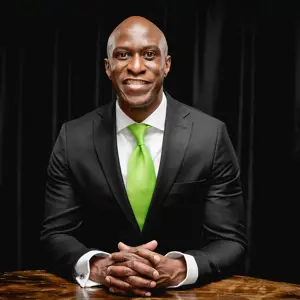
Confidence is not something people are simply born with. It can be developed through self-awareness, positive habits, and intentional personal growth. Kaplan Mobray shares practical strategies for strengthening self-esteem, developing confidence, and achieving personal and professional success. Audiences leave with actionable tools for building a stronger sense of self-worth.
Overcoming perfectionism and self-criticism
Many people struggle with low self-esteem because they place unrealistic expectations on themselves. Learning to manage perfectionism can help individuals reduce self-criticism and develop a healthier relationship with achievement and failure. Thomas Curran explores the growing impact of perfectionism and provides insights into how individuals can break free from harmful standards. These keynotes help audiences build confidence through self-acceptance and realistic expectations.
Self-empowerment and personal growth
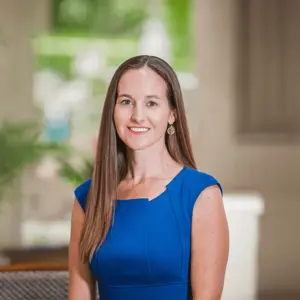
Developing self-esteem often begins with understanding personal strengths, values, and purpose. Building self-awareness allows individuals to move beyond self-doubt and create meaningful change in their lives. Deya Smith-Taylor shares empowering strategies that help audiences strengthen confidence, improve wellbeing, and embrace their full potential. Participants gain practical insights that support both personal and professional growth.
Resilience through adversity
Challenging experiences can either weaken self-belief or become opportunities for growth and transformation. Developing resilience helps individuals overcome setbacks while maintaining confidence and optimism. Simon Weston shares his remarkable journey of overcoming adversity and rebuilding confidence through resilience, determination, and a positive mindset. His inspiring story demonstrates the power of self-belief in the face of life's greatest challenges.
Benefits of a keynote on Low Self-Esteem
A keynote on low self-esteem helps audiences understand the factors that influence confidence, self-worth, and personal development. Participants gain practical tools for overcoming self-doubt, managing negative thought patterns, building resilience, and developing healthier self-perceptions. These keynotes can improve wellbeing, strengthen workplace confidence, enhance communication, and support personal growth. Organizations benefit from more engaged, resilient, and empowered individuals who are better equipped to contribute, collaborate, and perform at their best.
Other relevant keynotes within Low Self-Esteem
Relevant related topics include Confidence, Mental Health, Resilience, Personal Development, Mindfulness and Mindset, and Wellbeing. These related topics provide additional perspectives on personal growth, emotional wellbeing, and building confidence. Combining low self-esteem with complementary subjects can help audiences develop a stronger foundation for long-term success and resilience.
Contact us to find the right keynote combination for your event.
How to Book a Speaker
Booking a speaker with A-Speakers is a simple and tailored process that ensures your event receives the perfect angle on the topic. Start by sharing your needs with us, such as event type, preferred speaker, and budget, via email or phone. We then match your requirements with the competencies of our experts and present the ideal candidate for your audience. Once the details are agreed upon, we draw up a contract and collaborate on the further planning to ensure a successful execution. After the keynote has taken place, we of course follow up and evaluate your satisfaction. Book your speaker today.
- Tell us your wishes and needs: Give us a short description of your event, and feel free to include your wishes for a topic or specific speaker, so we can advise you in the best way possible.
- Get a tailored recommendation: Our skilled speaker consultants base their suggestions on your needs and help you choose the speaker that best matches your criteria and budget.
- Formalize the agreement: Once we've found the perfect speaker for your event, we prepare a contract that both parties sign.
- Planning and execution: We support you all the way and coordinate the details together to make the event a successful experience.
- Follow-up and evaluation: After the keynote, we naturally follow up to see if the event lived up to expectations.
Contact us today to find the speaker that matches your needs and vision. Book a speaker now and take the next step toward a stronger future.