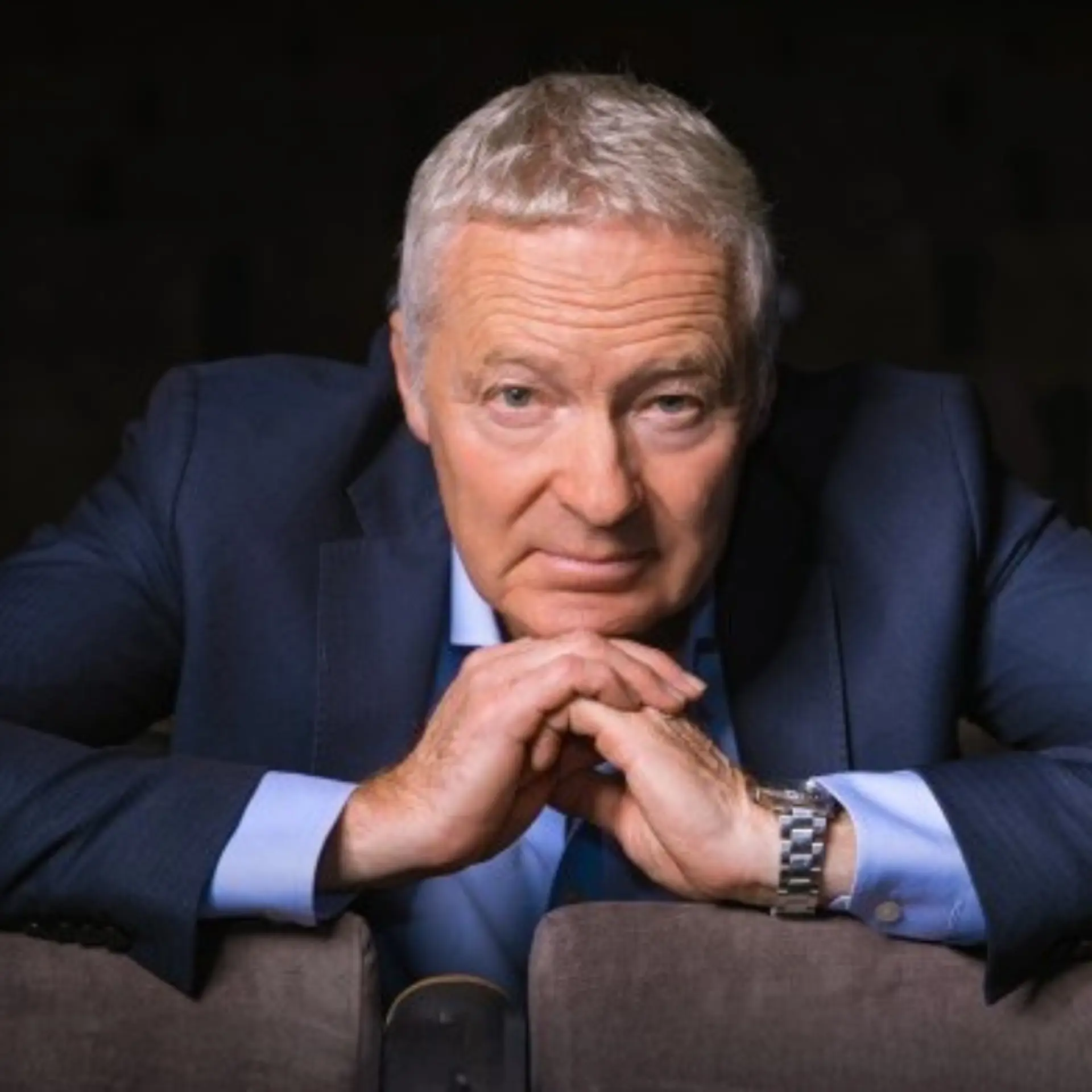
Acting is the art of portraying emotions, characters, and stories in a believable and engaging way. While traditionally associated with theatre and film, acting techniques are increasingly used in business and professional development. Skills such as presence, improvisation, empathy, and storytelling are essential in leadership, sales, and communication. In a world where attention is limited and authenticity is valued, the ability to connect with others is a competitive advantage. Acting provides tools to communicate with clarity, confidence, and emotional resonance, making it highly relevant across industries.
Which topics do our keynotes on Acting cover?
Our keynotes on acting explore a range of themes that help individuals and teams communicate more effectively, build confidence, and engage audiences. Below are some of the key areas covered:
Presence, expression and stage instinct
Acting draws attention to the fine balance between control and ease: how a person enters a room, holds attention, uses silence, and lets expression support what is being said. Hayley Podschun speaks into this part of acting through her experience with confidence, adaptability, and stage presence, shaped by years as a Broadway performer. The visible and invisible elements of presence come into play here, along with the performer’s ability to appear grounded while still creating energy in the room.
Communication, credibility and human connection
There is a strong link between acting and the way people communicate with clarity, nuance, and authenticity. Robin Kermode speaks about communication, presence, and influence in ways that connect closely with performance, especially where tone, rhythm, and delivery shape how a message is received. Connection is often created through what happens around the words rather than in them alone, and acting brings those layers into sharper focus.
Improvisation, spontaneity and working in the moment
Acting is not only about preparation, but also about responsiveness. Listening closely, adjusting quickly, and staying present when a moment shifts direction. Katie Goodman brings in themes such as improv, creativity, and unexpected thinking, all of which reflect the more spontaneous side of performance. Spontaneity, interaction, openness, and momentum all play a central role here, especially in moments where the next step is not scripted in advance.
Confidence, composure and performance under pressure
To act is often to step into view, stay composed, and continue even when nerves, expectation, or self-consciousness are present. Robyn Hatcher speaks about communication through the lens of performance, with a focus on delivery, self-awareness, and the way people come across under attention. Voice, posture, pace, and presence all become part of how confidence is carried, and how composure takes shape when the spotlight is on.
Storytelling, character and emotional resonance
At the heart of acting lies the ability to give shape to a story through voice, emotion, rhythm, and character. Kevin Allison speaks about storytelling and performance in a way that brings narrative, delivery, and audience connection together. Stories become vivid through performance, emotion is conveyed without overstatement, and a narrative unfolds in a way that feels immediate and human.
Benefits of a keynote on Acting
Booking a keynote on acting equips your team with practical tools to communicate more effectively and confidently. Participants learn how to engage audiences, improve their presence, and adapt to different situations with ease. Acting techniques also foster creativity, empathy, and stronger interpersonal connections. Whether used in leadership, sales, or teamwork, these skills lead to clearer communication, increased influence, and a more dynamic organizational culture.
Other relevant keynotes within Communication
If you are interested in acting, you may also want to explore related keynote topics such as storytelling, body language, presentation skills, and emotional intelligence. These areas connect closely with acting and offer different angles on how people express themselves, communicate clearly, and engage an audience. They highlight how delivery, awareness, and interaction shape communication across a wide range of professional settings.
Contact us today to find the keynote that best matches your event and ambitions.
How to Book a Speaker
Booking a speaker with A-Speakers is a simple and tailored process that ensures your event receives the perfect angle on the topic. Start by sharing your needs with us, such as event type, preferred speaker, and budget, via email or phone. We then match your requirements with the competencies of our experts and present the ideal candidate for your audience. Once the details are agreed upon, we draw up a contract and collaborate on the further planning to ensure a successful execution. After the keynote has taken place, we of course follow up and evaluate your satisfaction. Book your speaker today.
- Tell us your wishes and needs: Give us a short description of your event, and feel free to include your wishes for a topic or specific speaker, so we can advise you in the best way possible.
- Get a tailored recommendation: Our skilled speaker consultants base their suggestions on your needs and help you choose the speaker that best matches your criteria and budget.
- Formalize the agreement: Once we've found the perfect speaker for your event, we prepare a contract that both parties sign.
- Planning and execution: We support you all the way and coordinate the details together to make the event a successful experience.
- Follow-up and evaluation: After the keynote, we naturally follow up to see if the event lived up to expectations.
Contact us today to find the speaker that matches your needs and vision. Book a speaker now and take the next step toward a stronger future.