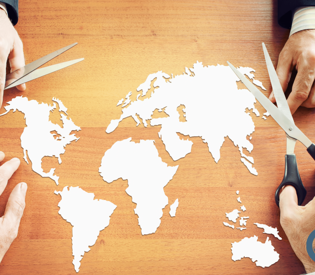
Geopolitics is the study of how geography, economics, politics, technology, and military power influence international relations and global affairs. It examines how nations compete, cooperate, and respond to changing global conditions.
The topic is increasingly relevant because geopolitical developments affect everything from trade and investment to energy, cybersecurity, and supply chains. Organizations that understand geopolitical trends are often better equipped to identify risks, adapt to uncertainty, and seize emerging opportunities. As the global landscape continues to evolve, geopolitical awareness has become a critical capability for leaders and decision-makers.
Which topics do our keynotes on Geopolitics cover?
Geopolitics reaches far beyond international politics. It influences corporate strategy, financial markets, technology, trade and the security environment in which organizations operate. Our speakers approach these developments from different perspectives, helping audiences understand both immediate geopolitical developments and the structural changes shaping our future.
Geopolitical risk and a changing world order
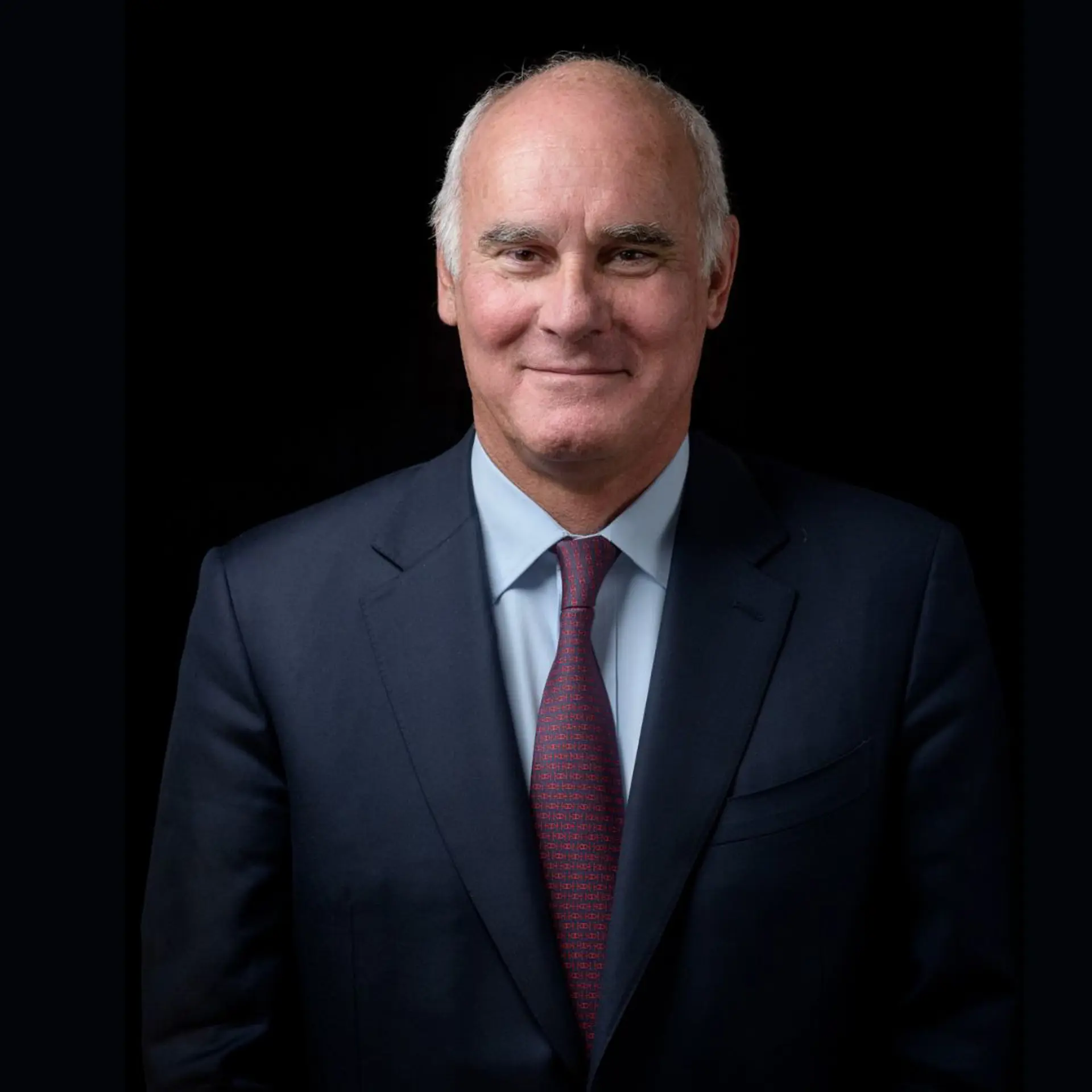
Political instability, conflicts, elections and changing alliances can quickly transform the conditions in which businesses and governments operate. Understanding geopolitical risk means looking beyond individual crises to identify the larger shifts in power that influence markets, policy and international cooperation. Ian Bremmer provides audiences with a framework for understanding global political risk, the changing international order and what geopolitical uncertainty means for leaders and organizations.
Globalization, connectivity and the new geography of power
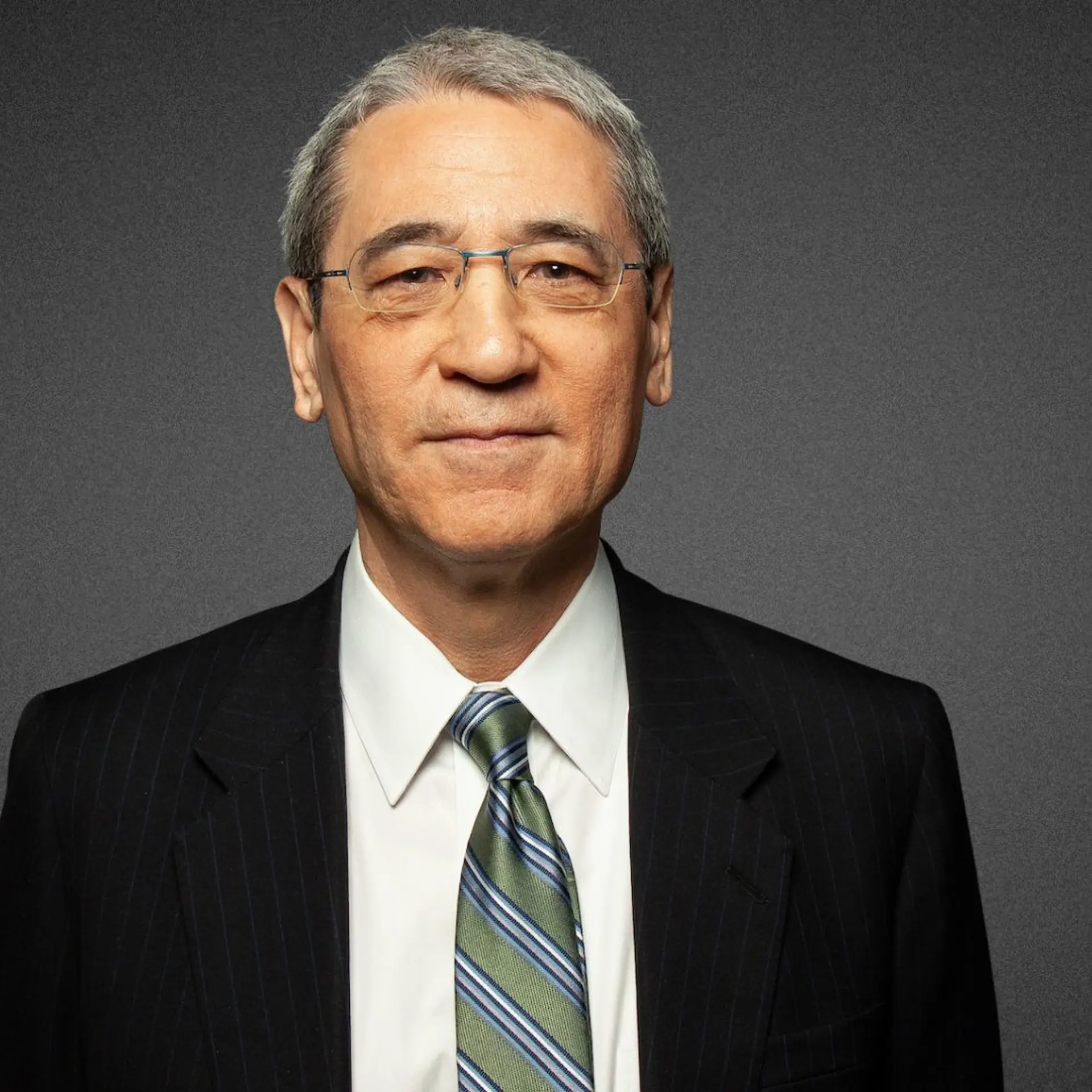
Global influence is no longer determined by national borders and military strength alone. Infrastructure, trade routes, cities, supply chains, demographics and connectivity increasingly determine where economic and political power lies. Parag Khanna explores geopolitics through globalization, connectivity and the changing relationships between countries and regions, helping audiences understand how the map of global influence is being redrawn.
Understanding global trends through data
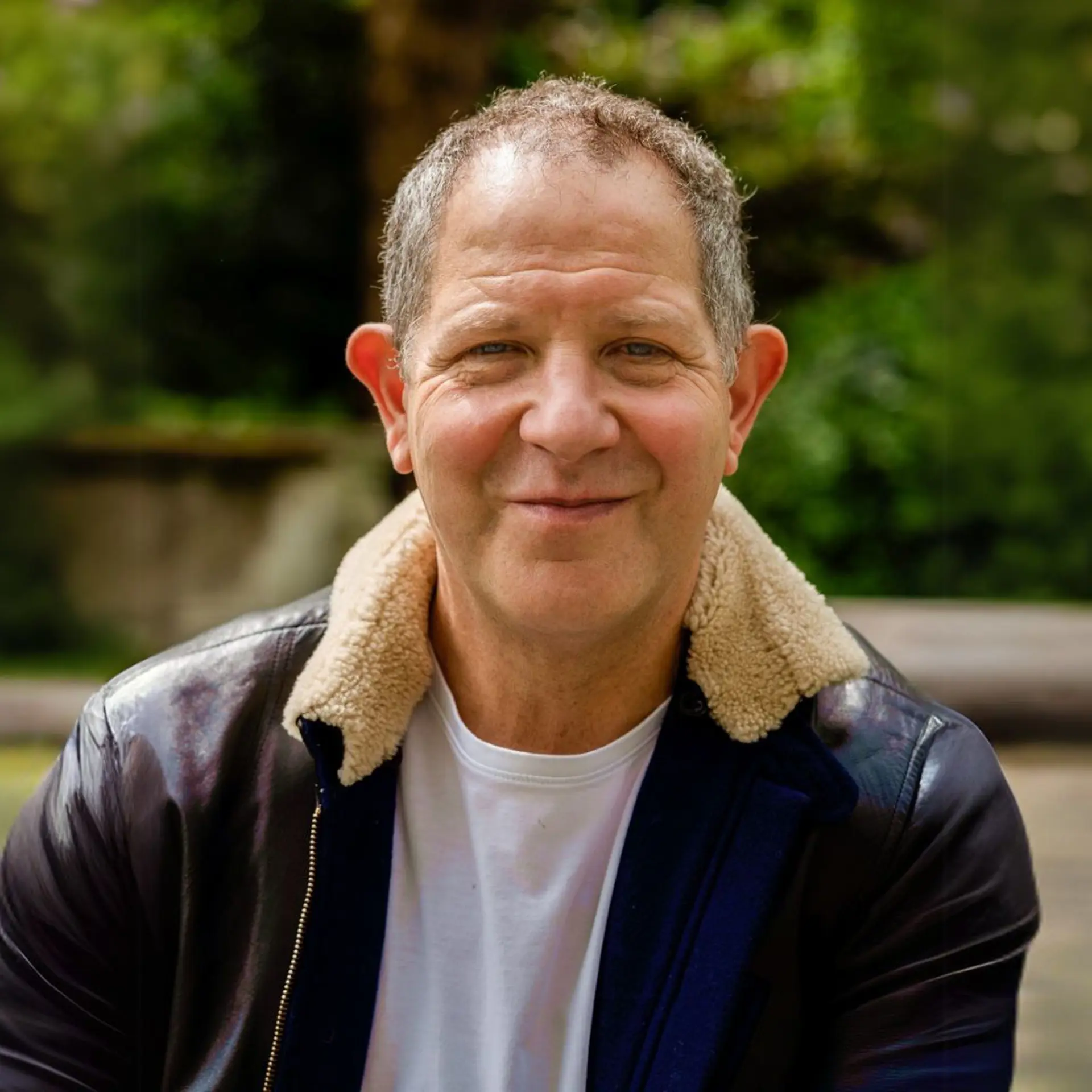
Geopolitical discussions can easily become dominated by dramatic headlines and short-term events. Data offers another perspective, allowing audiences to distinguish between perception and measurable global developments. Olof Gränström uses data and global trends to challenge assumptions about the state of the world, giving organizations a stronger foundation for understanding demographic, economic and societal changes and their geopolitical consequences.
AI, disinformation and geopolitical power
Artificial intelligence is rapidly becoming a geopolitical issue as countries compete for technological leadership and societies face increasingly sophisticated forms of synthetic media and information manipulation. The ability to influence what people see and believe has implications for elections, democracy, national security and international competition. Nina Schick provides insight into generative AI, deepfakes and the evolving information environment, helping audiences understand how emerging technology is reshaping geopolitical power and trust.
Diplomacy, democracy and international relations
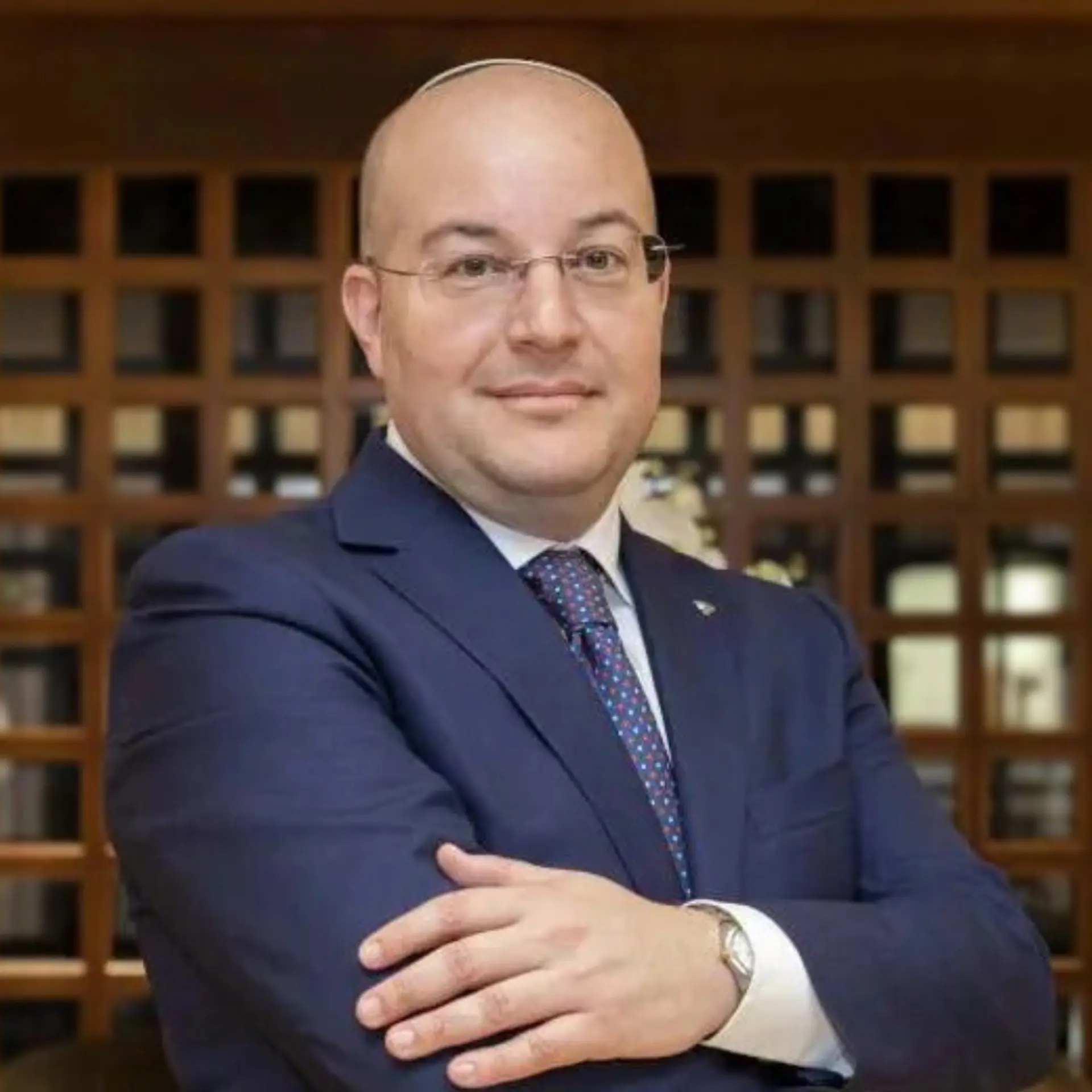
Geopolitics is ultimately shaped by relationships between countries, institutions and people. Diplomacy, democratic values and international partnerships remain essential when governments must navigate conflicts, competition and changing alliances. Drawing on his experience in diplomacy and public service, Rufus Gifford offers perspectives on leadership, international relations and the importance of alliances and human connections in an increasingly complex political environment.
History, technology and the future of humanity
Today's geopolitical developments become clearer when viewed through a longer historical lens. Changes in technology, information, institutions and human cooperation have repeatedly transformed how societies organize themselves and exercise power. Prof. Yuval Noah Harari connects history with the defining questions of the present and future, examining how AI, information networks and other profound technological changes could reshape politics, societies and global power.
Benefits of a keynote on Geopolitics
A keynote on geopolitics helps audiences understand the global forces that influence business, society, and international affairs. Participants gain valuable insight into emerging risks, economic developments, technological competition, and shifting political dynamics.
These keynotes help organizations make more informed decisions, strengthen strategic planning, and prepare for future uncertainty. By developing a deeper understanding of geopolitical trends, leaders can better position their organizations to adapt, compete, and succeed in a rapidly changing world.
Other relevant keynotes within Geopolitics
Organizations interested in geopolitics often explore related keynotes such as Global Economy, International Relations, Trends, Cyber Security, Globalization, Leadership, and Future of Work. These related topics provide broader perspectives on global change, economic development, technology, and organizational resilience. Together, they help leaders navigate uncertainty and make better-informed decisions in an increasingly interconnected world.
Contact us today to find the keynote that best matches your goals.
How to Book a Speaker
Booking a speaker with A-Speakers is a simple and tailored process that ensures your event receives the perfect angle on the topic. Start by sharing your needs with us, such as event type, preferred speaker, and budget, via email or phone. We then match your requirements with the competencies of our experts and present the ideal candidate for your audience. Once the details are agreed upon, we draw up a contract and collaborate on the further planning to ensure a successful execution. After the keynote has taken place, we of course follow up and evaluate your satisfaction. Book your speaker today.
- Tell us your wishes and needs: Give us a short description of your event, and feel free to include your wishes for a topic or specific speaker, so we can advise you in the best way possible.
- Get a tailored recommendation: Our skilled speaker consultants base their suggestions on your needs and help you choose the speaker that best matches your criteria and budget.
- Formalize the agreement: Once we've found the perfect speaker for your event, we prepare a contract that both parties sign.
- Planning and execution: We support you all the way and coordinate the details together to make the event a successful experience.
- Follow-up and evaluation: After the keynote, we naturally follow up to see if the event lived up to expectations.
Contact us today to find the speaker that matches your needs and vision. Book a speaker now and take the next step toward a stronger future.