Crisis communication refers to the strategies and actions organizations use to communicate during challenging or disruptive situations. This can include reputational crises, cyberattacks, workplace conflicts, financial instability, accidents or public controversies. Effective crisis communication focuses on delivering clear, transparent and timely messages that help maintain trust, reduce uncertainty and support informed decision-making.
In today’s digital and interconnected world, crises can escalate quickly through media coverage and social platforms, making communication more important than ever. Poor communication during a crisis can damage reputations, weaken employee confidence and create long-term consequences for organizations and leaders. Understanding crisis communication helps organizations prepare for uncertainty, strengthen resilience and respond more effectively when challenges arise. Through practical examples and expert insights, these keynotes provide valuable perspectives on leadership, trust and communication under pressure.
Which topics do our keynotes on Crisis Communication cover?
Crisis communication keynotes explore a broad range of themes connected to leadership, media, trust and communication during uncertainty. Below are some of the key topics our speakers address and why they are increasingly relevant for modern organizations:
Leadership communication under pressure
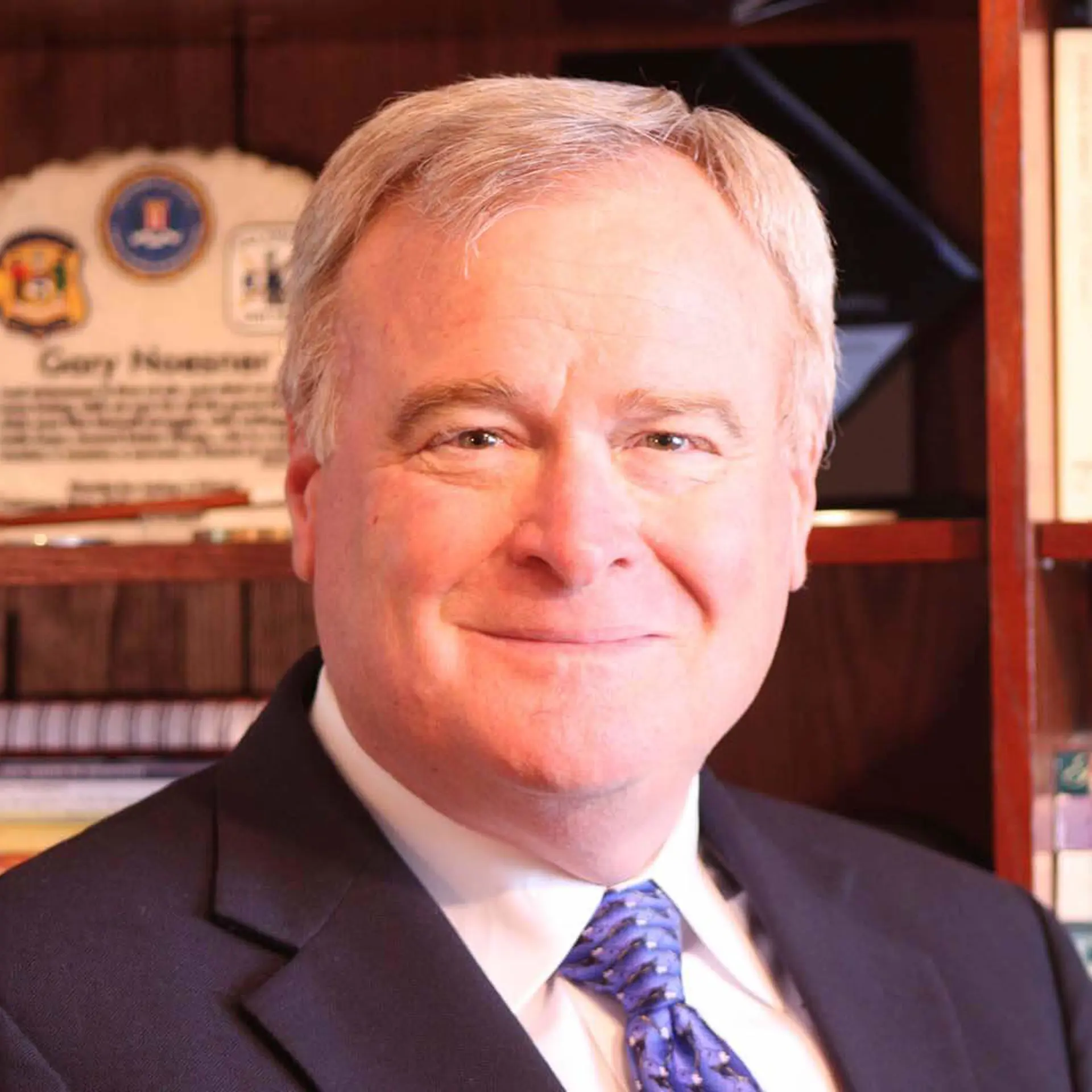
During crises, leaders are often required to communicate quickly and clearly while balancing uncertainty, responsibility and public trust. Keynotes on this topic focus on decision-making, emotional intelligence and maintaining stability during high-pressure situations where communication can significantly influence outcomes. Gary Noesner explores how trust-building, listening and structured communication strategies can help leaders navigate conflict and emotionally charged environments more effectively. These perspectives are especially relevant for organizations managing change, internal tension or crisis situations with multiple stakeholders.
Media relations and public trust
Public perception can shift rapidly during crises, making transparent and credible communication essential for maintaining trust and protecting reputations. Keynotes within this area examine how organizations can navigate media attention, public scrutiny and fast-moving news environments while communicating with clarity and consistency. Frankie McCamley explores how crises develop within modern media landscapes and why preparation, accuracy and calm communication are increasingly important during periods of uncertainty. These discussions are particularly relevant for organizations operating in visible or public-facing environments.
Communication during global uncertainty
Large-scale crises such as pandemics, geopolitical instability and societal disruption place significant demands on leaders and institutions to communicate responsibly and effectively. Keynotes on this topic focus on balancing data, public expectations and long-term decision-making during periods of uncertainty and rapid change. Anders Tegnell examines how communication, transparency and evidence-based approaches influence public trust and leadership during complex societal crises. These insights can support organizations seeking to strengthen credibility, preparedness and confidence during uncertain times.
Resilience, teamwork and high-stakes environments
Strong crisis communication is closely connected to teamwork, resilience and the ability to remain focused under pressure. Keynotes within this area explore how organizations can maintain morale, accountability and constructive communication during difficult and fast-changing situations. Dom Troulan reflects on how calm leadership, preparation and collaboration contribute to effective communication and decision-making in high-stakes environments. These perspectives are valuable for organizations aiming to strengthen adaptability, trust and long-term resilience.
Benefits of a keynote on Crisis Communication
A keynote on crisis communication can help organizations strengthen preparedness, leadership communication and stakeholder trust during periods of uncertainty and disruption. These keynotes provide valuable insights into media handling, internal communication, crisis leadership and how organizations can respond clearly and effectively under pressure.
Organizations can use these perspectives to improve communication strategies, strengthen collaboration and support more confident decision-making during challenging situations. Crisis communication keynotes also encourage reflection on transparency, organizational culture and the importance of maintaining trust in rapidly changing environments. Whether the focus is prevention, leadership or resilience, these keynotes offer practical and thought-provoking insights relevant to organizations across industries.
Other relevant keynotes within Crisis Communication
Organizations interested in crisis communication keynotes often also explore topics such as crisis management, leadership, communication, resilience, cyber security, change management, teamwork, and mental health. These related keynote topics can provide broader perspectives on trust, adaptability and how individuals and organizations navigate pressure, uncertainty and rapid change. Combining connected topics can contribute to a more nuanced understanding of organizational resilience, communication and long-term preparedness across both public and private sectors.
Contact us today to find the keynote speaker and topic combination that best matches your event and audience.
How to Book a Speaker
Booking a speaker with A-Speakers is a simple and tailored process that ensures your event receives the perfect angle on the topic. Start by sharing your needs with us, such as event type, preferred speaker, and budget, via email or phone. We then match your requirements with the competencies of our experts and present the ideal candidate for your audience. Once the details are agreed upon, we draw up a contract and collaborate on the further planning to ensure a successful execution. After the keynote has taken place, we of course follow up and evaluate your satisfaction. Book your speaker today.
- Tell us your wishes and needs: Give us a short description of your event, and feel free to include your wishes for a topic or specific speaker, so we can advise you in the best way possible.
- Get a tailored recommendation: Our skilled speaker consultants base their suggestions on your needs and help you choose the speaker that best matches your criteria and budget.
- Formalize the agreement: Once we've found the perfect speaker for your event, we prepare a contract that both parties sign.
- Planning and execution: We support you all the way and coordinate the details together to make the event a successful experience.
- Follow-up and evaluation: After the keynote, we naturally follow up to see if the event lived up to expectations.
Contact us today to find the speaker that matches your needs and vision. Book a speaker now and take the next step toward a stronger future.