Globalization refers to the increasing interconnectedness of countries, economies, cultures, and people through trade, technology, communication, and the movement of ideas. It has accelerated the exchange of goods, services, information, and innovation across borders.
The topic remains highly relevant because globalization continues to influence business strategy, economic development, workforce dynamics, and international cooperation. Understanding globalization helps organizations identify opportunities, manage risks, and adapt to a rapidly changing global environment.
Which topics do our keynotes on Globalization cover?
Globalization affects how organizations grow, compete, innovate, and interact across borders. Understanding its many dimensions helps leaders navigate complexity and capitalize on opportunities in an interconnected world. Below are examples of topics covered through our keynotes on globalization:
Understanding globalization in a changing world
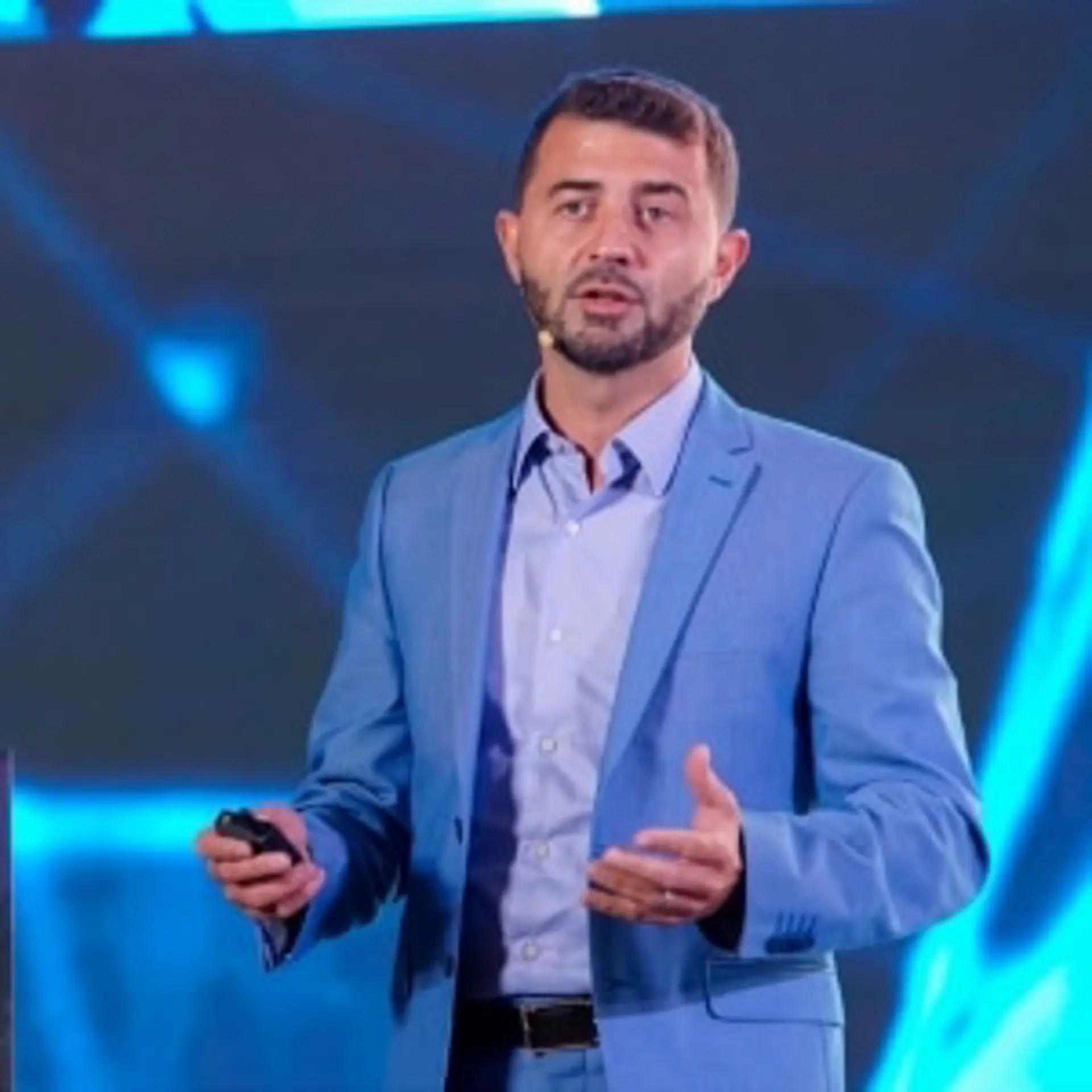
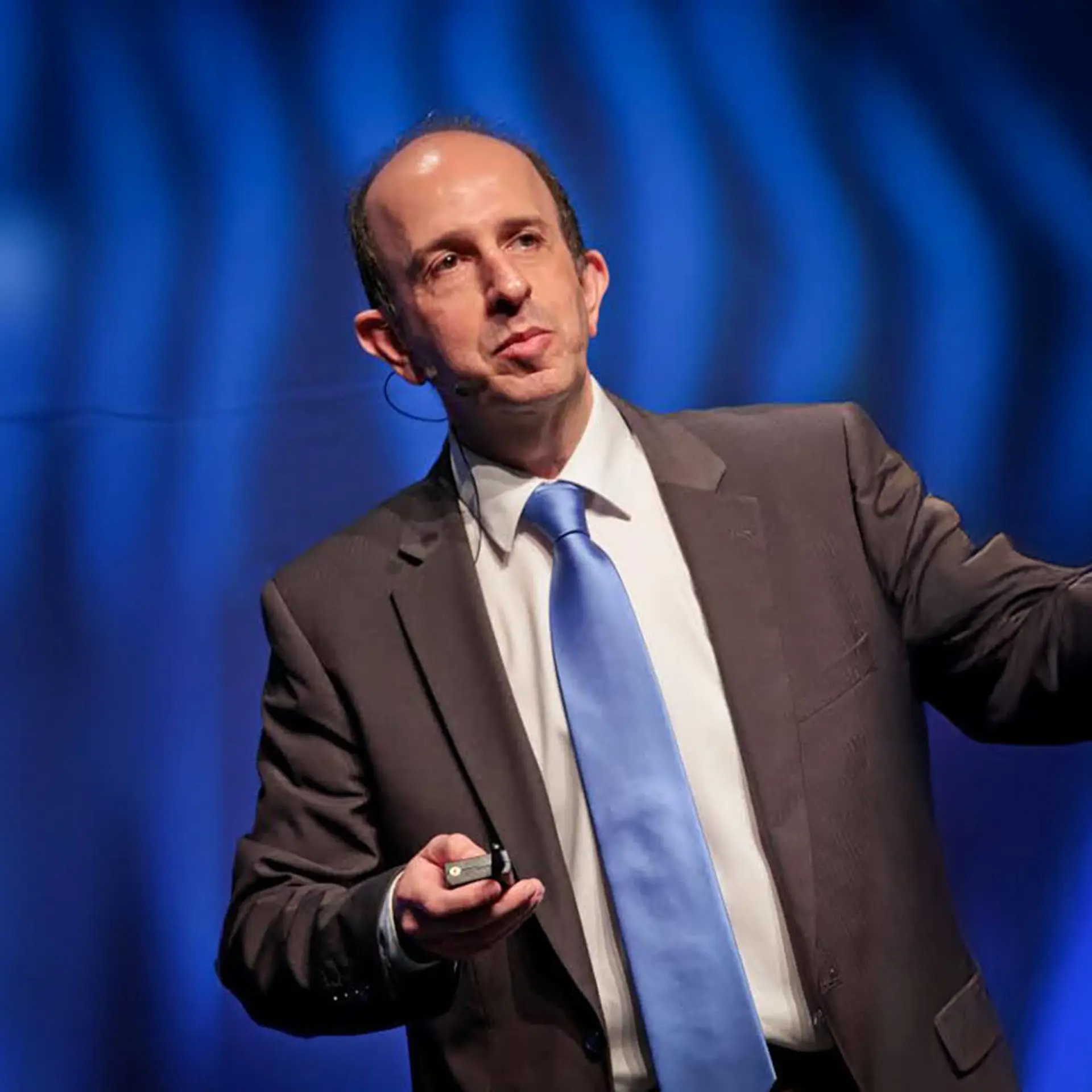
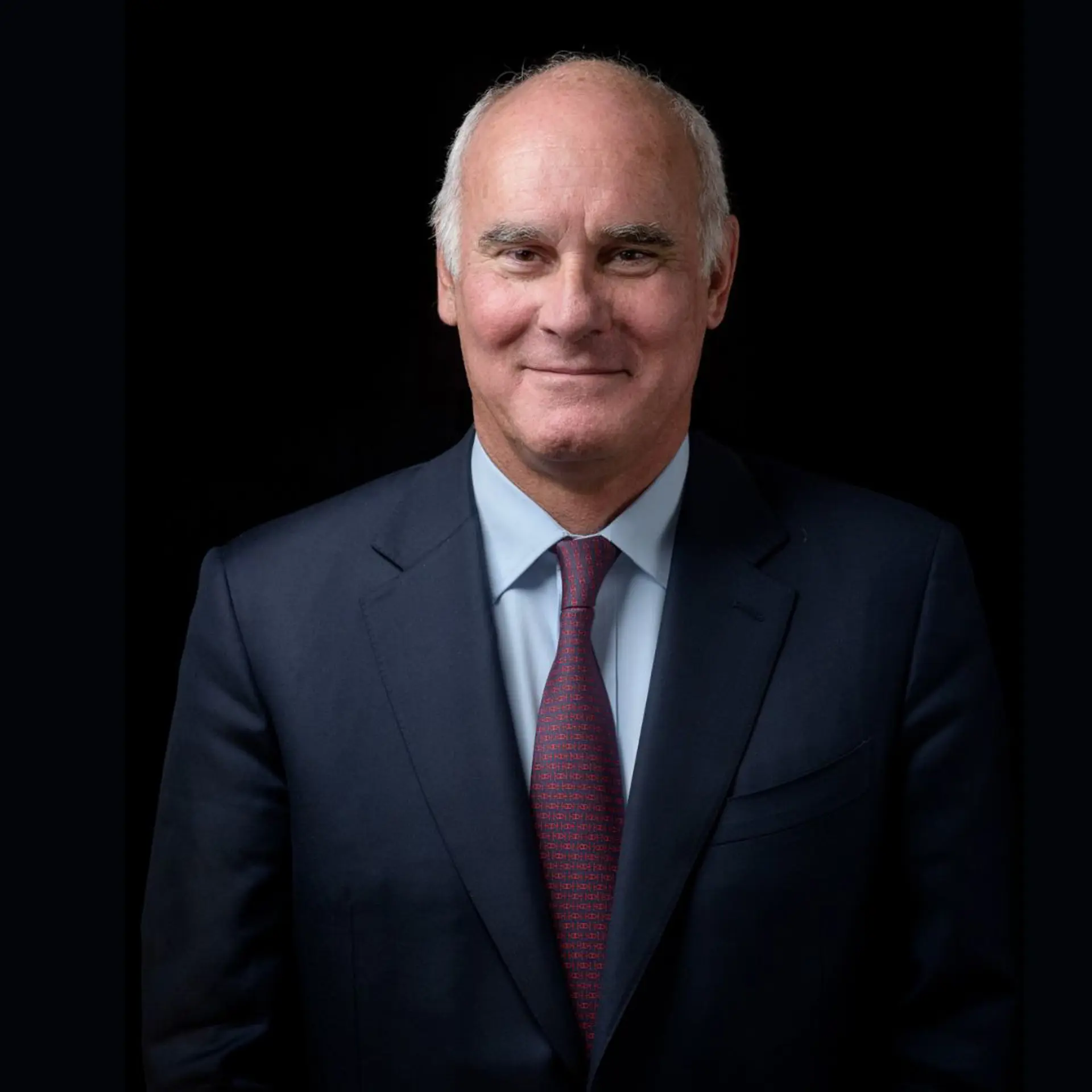
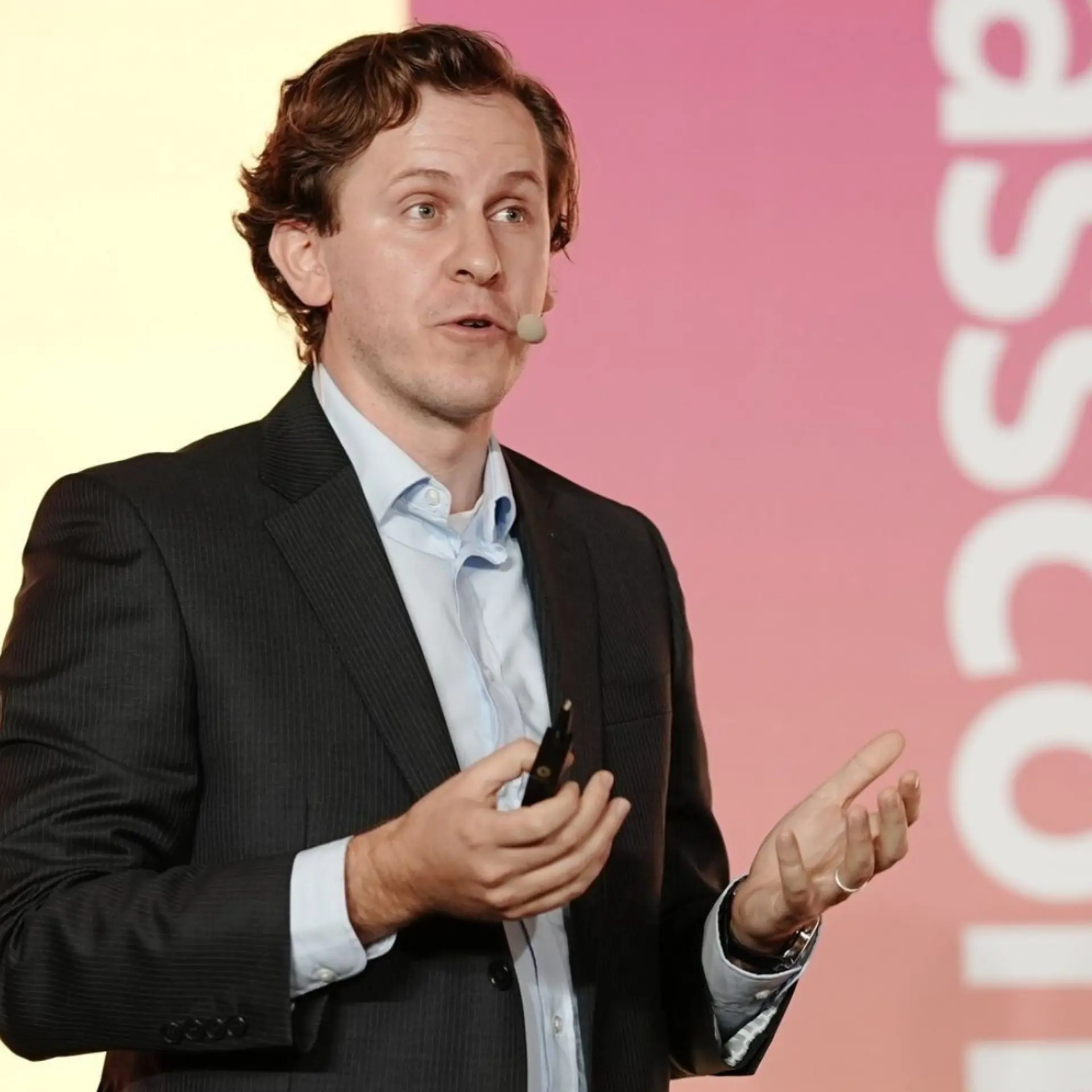
Globalization continues to evolve as economic, political, technological, and demographic forces reshape international relationships. Understanding these developments helps organizations make sense of a world that is becoming both more connected and more complex. Olof Gränström provides a long-term perspective on global developments by connecting economic, demographic, and geopolitical trends. These insights help leaders better understand the forces shaping the future.
Global trade and economic interdependence
International trade remains one of the strongest drivers of globalization, creating opportunities for growth while increasing economic interdependence. Organizations that understand global trade dynamics are often better positioned to navigate uncertainty and identify emerging markets. John Manzella explores the policies, trends, and economic forces influencing international commerce. This helps audiences understand how global markets continue to evolve.
Geopolitics and the future of global connectivity
Globalization does not exist separately from politics, diplomacy, and international power dynamics. Shifting alliances, geopolitical tensions, and strategic competition increasingly influence how countries and businesses interact. Parag Khanna examines the relationship between globalization, geopolitics, and global networks. These perspectives help organizations prepare for an increasingly interconnected yet unpredictable world.
Cultural intelligence and international collaboration
Successful globalization requires more than economic connections. It also depends on understanding different cultures, values, and ways of working. Organizations that embrace cultural intelligence are often more effective in international markets and diverse environments. Fons Trompenaars shares insights into intercultural collaboration and how organizations can bridge cultural differences. This helps teams build stronger relationships across borders.
Global trends and future opportunities
The future of globalization will be shaped by technological innovation, demographic shifts, sustainability challenges, and changing consumer expectations. Organizations that anticipate these developments can position themselves for long-term success. Anne Lise Kjær explores emerging global trends and the opportunities they create for businesses and leaders. These insights help audiences prepare for the next phase of global transformation.
Benefits of a keynote on Globalization
A keynote on globalization helps audiences understand the forces connecting economies, societies, markets, and cultures around the world. Participants gain valuable insight into global opportunities, emerging risks, and the trends influencing international business and cooperation.
These keynotes help leaders develop a broader perspective, strengthen strategic thinking, and adapt to global change. By understanding globalization, organizations can make better decisions, improve international collaboration, and position themselves more effectively in an interconnected world.
Other relevant keynotes within Globalization
Organizations interested in globalization often explore related keynotes such as Global Economy, Global Trends, Geopolitics, International Relations, Cultural Intelligence, Cross Culture, and Leadership. These related topics provide broader perspectives on international business, economic development, cultural understanding, and global change. Together, they help organizations navigate complexity and identify opportunities in a connected world.
Contact us today to find the keynote that best matches your goals.
How to Book a Speaker
Booking a speaker with A-Speakers is a simple and tailored process that ensures your event receives the perfect angle on the topic. Start by sharing your needs with us, such as event type, preferred speaker, and budget, via email or phone. We then match your requirements with the competencies of our experts and present the ideal candidate for your audience. Once the details are agreed upon, we draw up a contract and collaborate on the further planning to ensure a successful execution. After the keynote has taken place, we of course follow up and evaluate your satisfaction. Book your speaker today.
- Tell us your wishes and needs: Give us a short description of your event, and feel free to include your wishes for a topic or specific speaker, so we can advise you in the best way possible.
- Get a tailored recommendation: Our skilled speaker consultants base their suggestions on your needs and help you choose the speaker that best matches your criteria and budget.
- Formalize the agreement: Once we've found the perfect speaker for your event, we prepare a contract that both parties sign.
- Planning and execution: We support you all the way and coordinate the details together to make the event a successful experience.
- Follow-up and evaluation: After the keynote, we naturally follow up to see if the event lived up to expectations.
Contact us today to find the speaker that matches your needs and vision. Book a speaker now and take the next step toward a stronger future.