Learning is the process of acquiring knowledge, skills, behaviors, and understanding through experience, education, observation, and reflection. It enables individuals to adapt, solve problems, innovate, and improve performance in both personal and professional settings.
The importance of learning continues to grow as technology, industries, and workplace expectations evolve at an unprecedented pace. Organizations that invest in learning are often better equipped to adapt to change, attract talent, and remain competitive. A strong learning culture encourages curiosity, development, and continuous improvement, creating benefits for both employees and businesses.
Which topics do our keynotes on Learning cover?
Learning is no longer confined to classrooms or formal training programs. Today's organizations must foster environments where curiosity, adaptability, and continuous development can thrive. Below are some of the key areas often explored in our keynotes on the topic:
Learning agility and adaptability
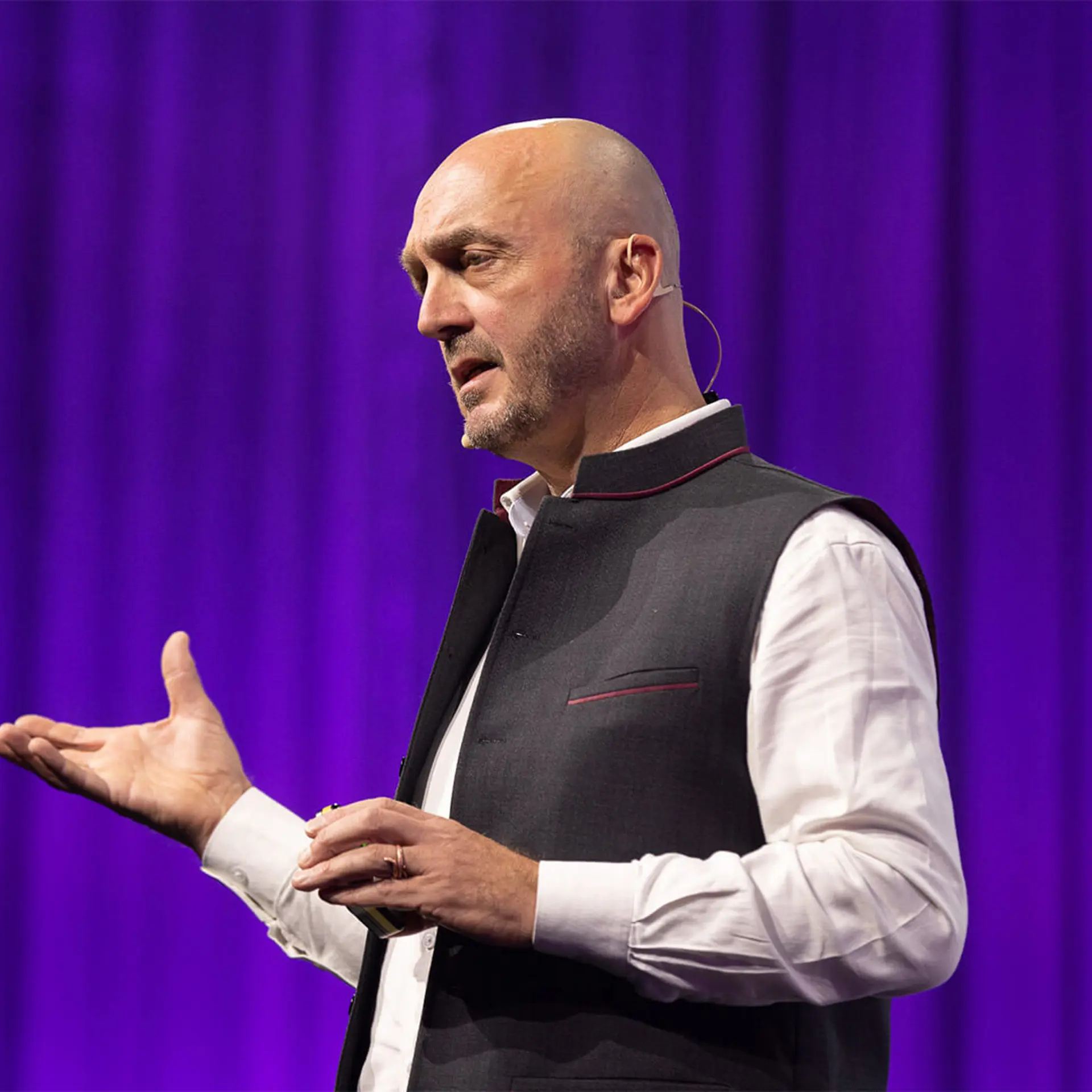
The ability to learn quickly and apply new knowledge has become a critical skill in a world defined by constant change. Organizations that encourage learning agility are often better positioned to adapt, innovate, and grow. Darya Yegorina explores how individuals can strengthen self-awareness and adaptability to accelerate learning and development. Her insights help audiences embrace continuous growth in both professional and personal settings.
Building a culture of continuous learning
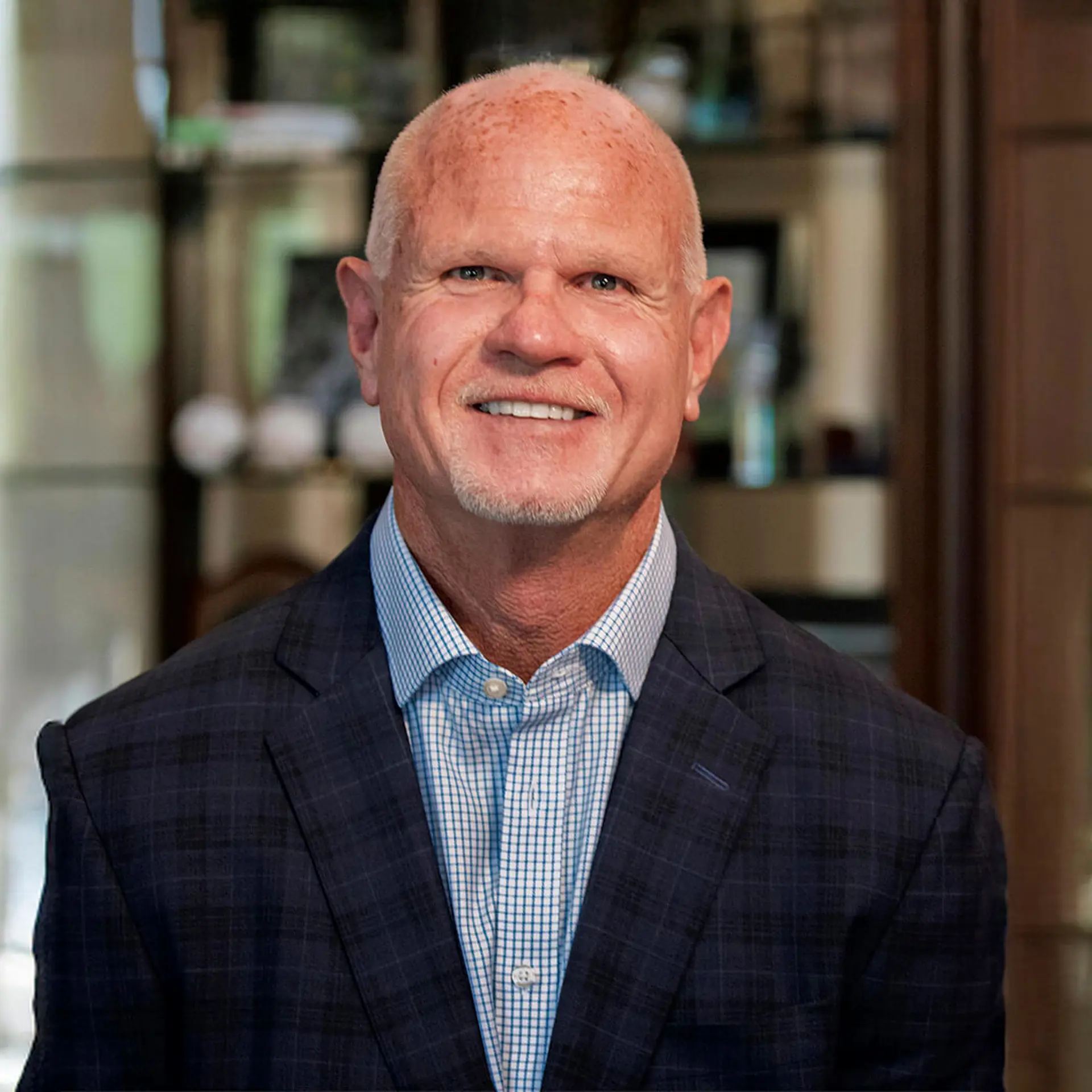
Learning is most effective when it becomes part of an organization's culture rather than an occasional activity. Leaders who encourage curiosity, experimentation, and development create environments where employees are more engaged and prepared for future challenges. Vikas Jain shares practical perspectives on creating learning-focused organizations that support innovation and long-term success. His keynotes demonstrate how learning can become a strategic advantage.
Neuroscience and how people learn
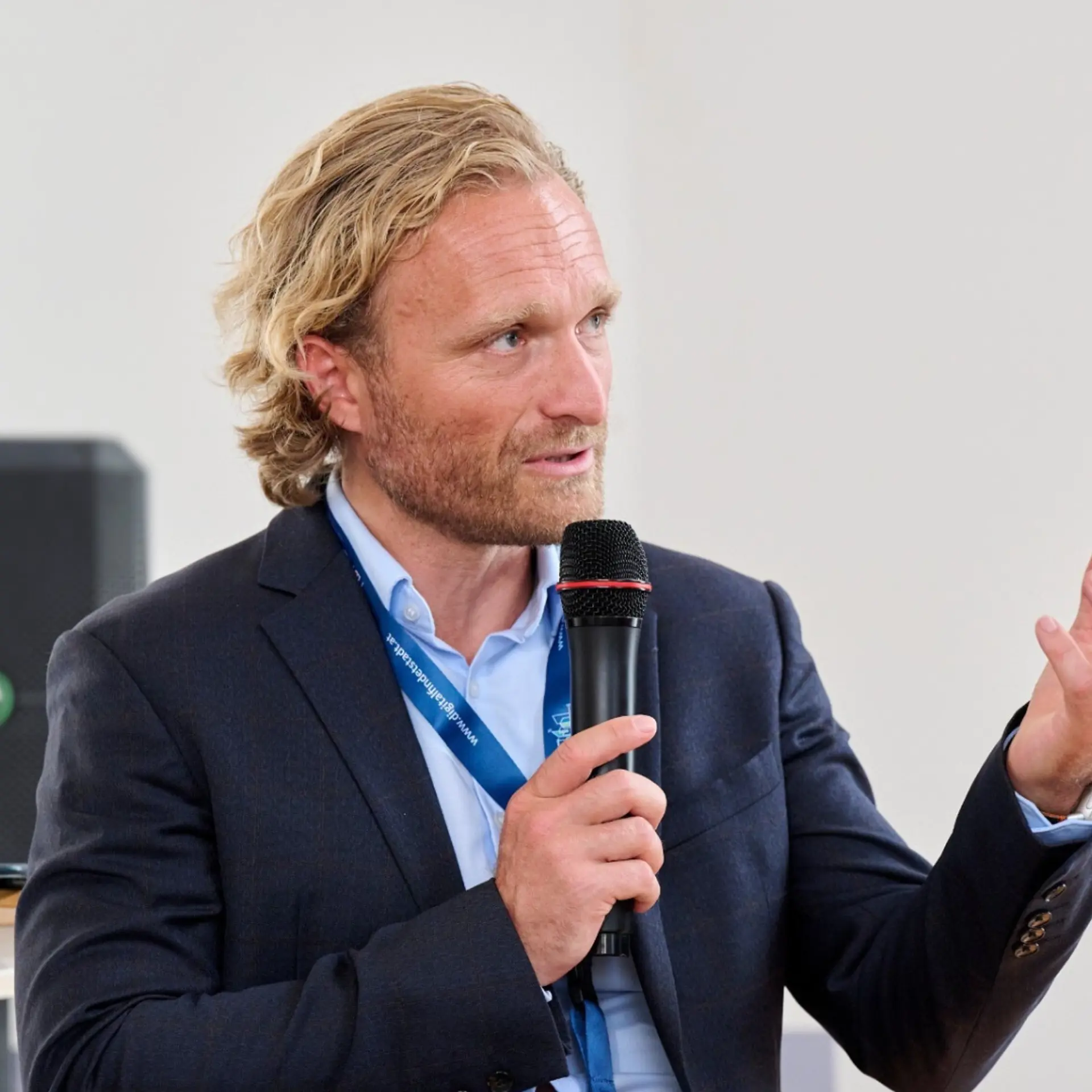
Understanding how the brain processes information can help organizations improve learning outcomes and knowledge retention. Insights from neuroscience offer practical ways to design learning experiences that are more engaging and effective. Susan Greenfield translates complex brain science into accessible insights about learning, creativity, and human development. Her approach helps audiences better understand how learning shapes performance and potential.
Curiosity as a catalyst for growth
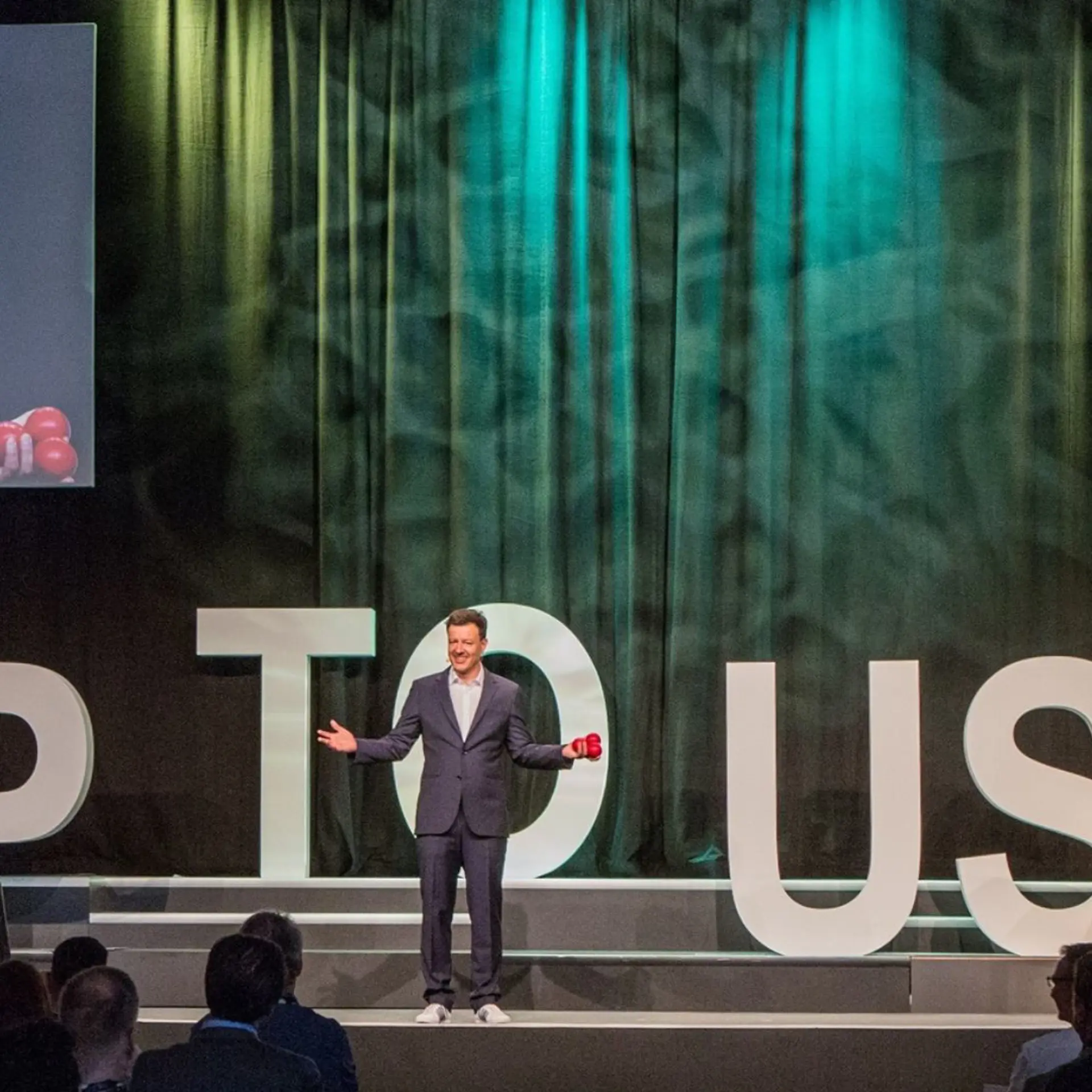
Curiosity drives exploration, innovation, and continuous improvement. Organizations that encourage people to ask questions and seek new perspectives often develop stronger problem-solving capabilities and greater adaptability. Stefaan van Hooydonk explores how curiosity can be intentionally cultivated to support learning and organizational growth. His keynotes show how curiosity can become a powerful competitive advantage.
Benefits of a keynote on Learning
A keynote on learning helps audiences understand how knowledge, skills, and adaptability contribute to long-term success. Participants gain practical insights into how people learn, how organizations can create stronger learning cultures, and how continuous development supports both individual and organizational growth.
Organizations benefit from increased engagement, stronger adaptability, improved performance, and a workforce that is better prepared for future challenges. Whether the goal is upskilling employees, fostering innovation, or strengthening leadership capabilities, a keynote on learning provides valuable tools and inspiration for sustainable growth.
Other relevant keynotes within Learning
If you are interested in learning, you may also benefit from exploring related topics such as Education, Innovation, Curiosity, Personal Development, Leadership Development, Neuroscience, and Future of Work. These topics complement learning by exploring how individuals and organizations develop, adapt, and perform in a rapidly changing world. Together, they provide valuable insights for building a culture of growth, curiosity, and continuous improvement.
Contact us today to find the keynote that best matches your audience and objectives.
How to Book a Speaker
Booking a speaker with A-Speakers is a simple and tailored process that ensures your event receives the perfect angle on the topic. Start by sharing your needs with us, such as event type, preferred speaker, and budget, via email or phone. We then match your requirements with the competencies of our experts and present the ideal candidate for your audience. Once the details are agreed upon, we draw up a contract and collaborate on the further planning to ensure a successful execution. After the keynote has taken place, we of course follow up and evaluate your satisfaction. Book your speaker today.
- Tell us your wishes and needs: Give us a short description of your event, and feel free to include your wishes for a topic or specific speaker, so we can advise you in the best way possible.
- Get a tailored recommendation: Our skilled speaker consultants base their suggestions on your needs and help you choose the speaker that best matches your criteria and budget.
- Formalize the agreement: Once we've found the perfect speaker for your event, we prepare a contract that both parties sign.
- Planning and execution: We support you all the way and coordinate the details together to make the event a successful experience.
- Follow-up and evaluation: After the keynote, we naturally follow up to see if the event lived up to expectations.
Contact us today to find the speaker that matches your needs and vision. Book a speaker now and take the next step toward a stronger future.